New Delhi
The conceptualisation of Islam has shifted across historical contexts. Islam can be understood in multiple ways—civilisationally, ideologically, or as a form of identity.
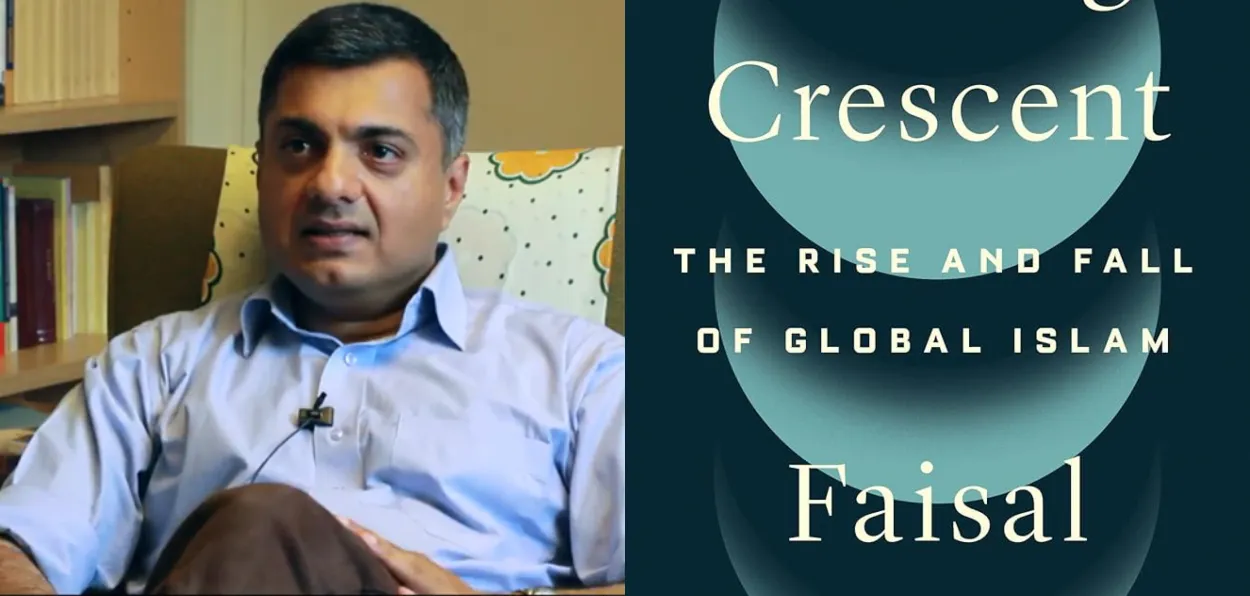
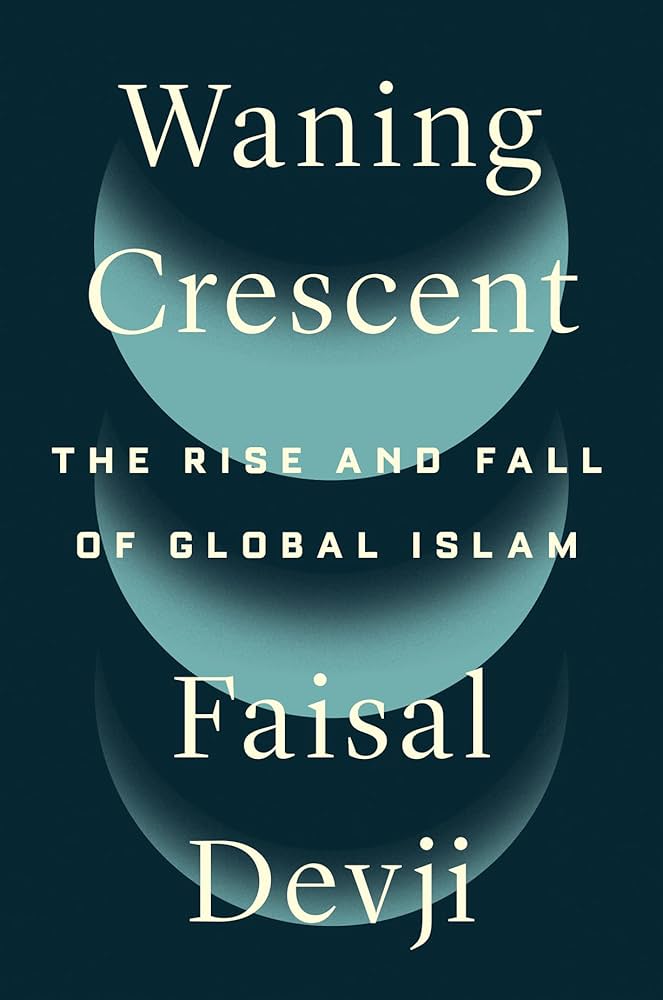
This argument was advanced by Oxford scholar Faisal Devji during a public lecture in New Delhi, based on his latest book, Waning Crescent: The Rise and Fall of Global Islam.
Speaking about the book, Devji explained that while Islam today is often viewed as a comprehensive religion encompassing theology, law, and philosophy, historically the term carried different meanings.
Over the centuries—particularly by the nineteenth century—Islam emerged as a global subject, acquiring authority independent of kings, clerics, or mystics. This transformation coincided with colonial rule and the decline of traditional forms of authority. This had a deep impact on Islam.
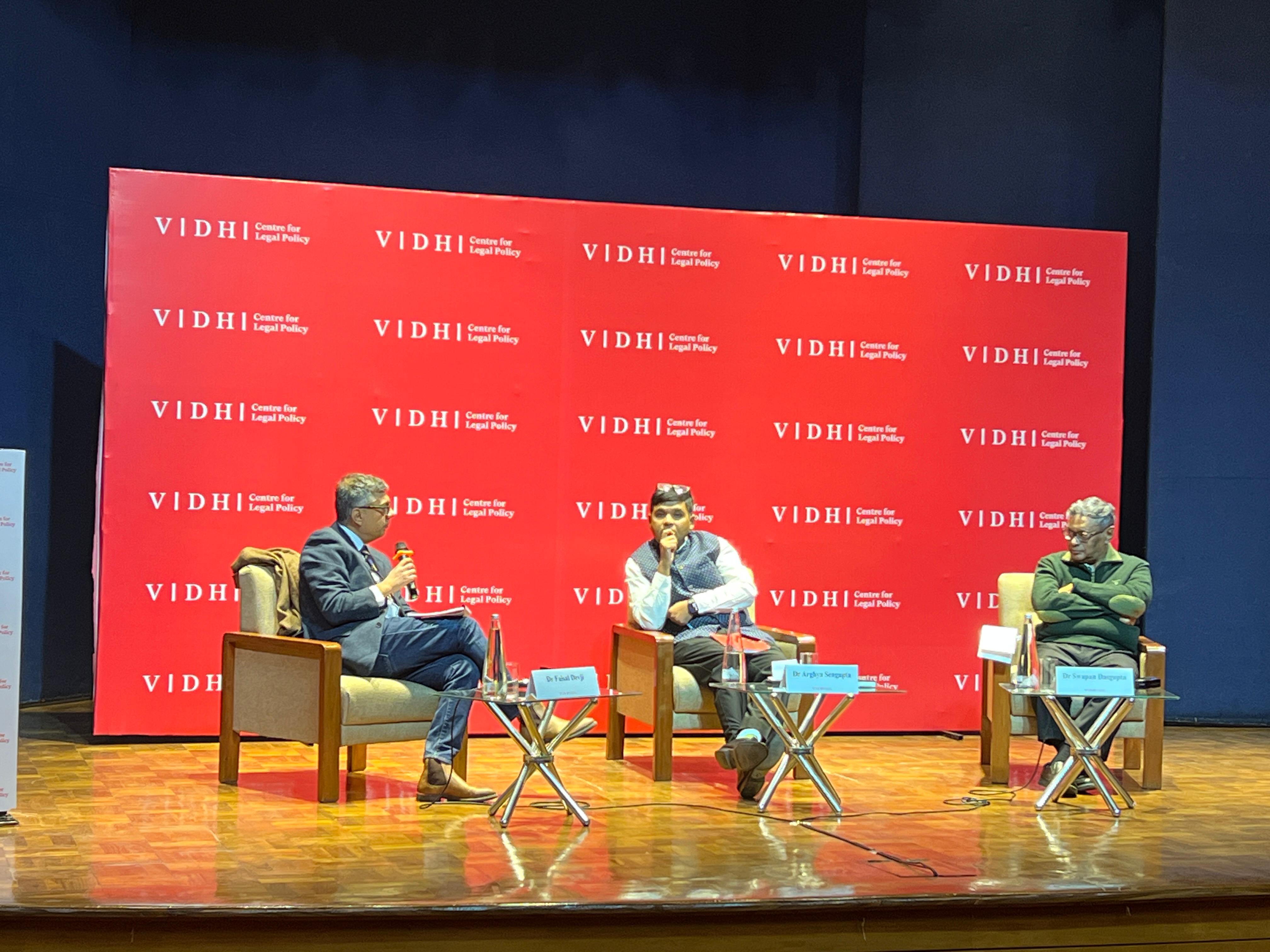
Faisal Devji speaking about his book in Delhi
In his work, Devji examines Islam through several lenses: controversies surrounding insults to the Prophet Muhammad (blasphemy), questions of sovereignty within the religion, and the shift in militant movements from Al-Qaeda to ISIS in the twenty-first century.
During the lecture, Devji outlined three dominant ways Islam has been understood: as civilisation, ideology, and identity.
In the colonial period, Islam was framed primarily as a civilisation. During the Cold War, it came to be understood as an ideology. In the post–Cold War or neoliberal era, Islam increasingly emerged as an identity.
According to Devji, these forms of Muslim mobilisation are rooted in historical understandings of the world. He noted his fascination with how, in the mid-nineteenth century, Muslim thinkers began treating Islam as a subject of history itself.
Each phase of mobilisation corresponded to broader global moments—imperialism, the Cold War, and the post–Cold War era—rather than to uniquely Muslim attributes. Devji clarified that his book does not focus on Sufis or traditional Muslim clerics.
As a global subject, Islam lacked any single institutional foundation; instead, it functioned as a narrative that could be claimed by different actors. Its universality and global nature prevented it from being confined to specific theological or political particularities—a dilemma central to Devji’s analysis of globalisation.
Turning to India, Devji examined nineteenth-century Muslim mobilisations over perceived insults to the Prophet Muhammad. He noted that some of the earliest such protests originated in India, citing the 1850 and 1874 riots in Bombay as examples. Importantly, he emphasised that these were Parsi–Muslim riots rather than Hindu–Muslim conflicts, and that they lacked a clear theological basis.
Instead, the protests were shaped by social, economic, and demographic factors. Muslims argued that certain publications misrepresented the Prophet and thereby harmed their collective sense of “ownership” over him. These early mobilisations, Devji suggested, laid the groundwork for later global protests, including those surrounding Salman Rushdie’s The Satanic Verses in 1989.
Devji also highlighted the role of colonial legislation in shaping the language of Muslim protest. The Indian Penal Code replaced traditional notions of blasphemy with the legal concept of “offence to religious sentiments,” emphasising defamation rather than theology.
As he noted, the underlying principle became the protection of all religions, not just Islam, revealing a striking absence of theological argument in religious disputes.
Within this secular legal framework, Muslims, like other communities, framed their grievances in terms of hurt sentiments, copyright, or identification with the Prophet. This mode of articulation continues to influence contemporary protest cultures.
Finally, Devji addressed the paradox of why protests over perceived insults to the Prophet sometimes escalate into violence, despite being framed in rational legal terms. He suggested that violence often emerges to compensate for what is missing in the arguments themselves—namely, theological reasoning. In the absence of theology, emotional and social passions fill the void.
ALSO READ: Syed Nawaz Miftahi illuminates the world of the blind
Devji concluded by noting that many references to blasphemy in these protests were borrowed from Christian legal traditions rather than derived from Islamic theological categories. This borrowing underscores the complex interaction between law, emotion, and identity in modern Muslim protest movements.













.webp "Representational image")
.webp "MEA spokesperson Randhir Jaiswal")


_(1).webp)