.webp "US Secretary of State Marco Rubio")
Washington
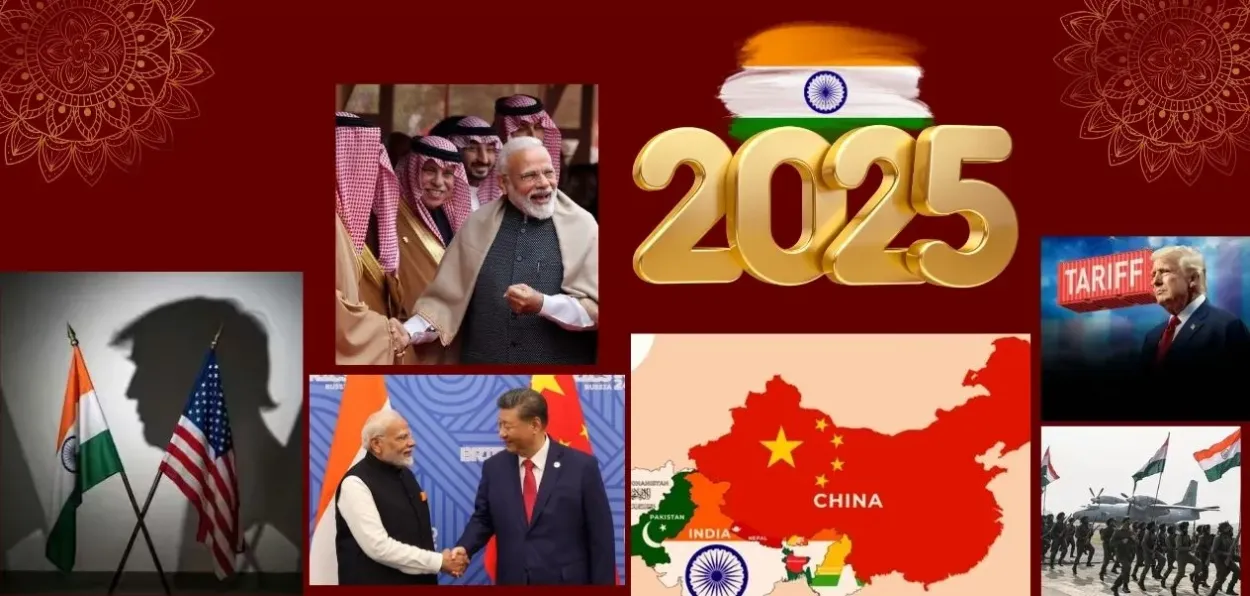
US Secretary of State Marco Rubio on Friday underscored Washington’s role as a global mediator, pointing to its involvement in multiple international flashpoints, including tensions between India and Pakistan, the Russia-Ukraine war, and the ongoing crisis in Sudan.
Speaking at a press briefing, Rubio credited US President Donald Trump with prioritising diplomacy and conflict resolution, reiterating Trump’s earlier claim that his administration helped defuse tensions between India and Pakistan.
Rubio said the United States remains actively engaged in conflicts that may not directly affect everyday American life but have broader global implications. Emphasising Trump’s focus on peace-building, he said the administration continues to explore diplomatic pathways wherever possible.
“We remain engaged around the world, including conflicts that may not be central to daily life in America,” Rubio said. “The president has made it a priority to be a peacemaker. That is why you see us involved in efforts related to Russia and Ukraine, India and Pakistan, Thailand and Cambodia, and the humanitarian tragedy unfolding in Sudan, as well as concerns about instability in South Sudan.”
He noted that while bringing opposing sides to the negotiating table is often achievable, ensuring sustained implementation of agreements remains a complex challenge.
Rubio also defended the Trump administration’s stringent immigration policies, describing them as a sovereign right essential for national security. He said the US remains among the world’s most generous nations but must ensure that those entering the country do not pose security risks or place undue pressure on public welfare systems.
“The United States has every right, like any sovereign nation, to know who is entering the country and to ensure they are not a burden on our social safety network,” he said.
Turning to the Western Hemisphere, Rubio highlighted Venezuela’s role in narcotics trafficking, calling it a serious security concern for the US. He accused the regime of President Nicolás Maduro of colluding with drug traffickers and allowing criminal networks such as Tren de Aragua to flourish.
“The most serious threat facing the United States from the Western Hemisphere comes from transnational criminal organisations involved in narcotrafficking,” Rubio said, adding that Venezuela remains the only government in the region that refuses to cooperate on the issue.
Addressing West Asia, Rubio stressed that lasting peace in the Middle East would be impossible unless Hamas is disarmed. He said stability and investment in Gaza cannot occur if militant groups retain the ability to attack Israel.
“If Hamas remains capable of threatening Israel, peace will not prevail,” he said. “No one will invest in Gaza if another conflict is expected in a few years.”
Rubio also reiterated the US’s unique position to mediate an end to the Russia-Ukraine conflict, stating that Washington is the only actor capable of engaging both sides meaningfully.
“It’s not our war,” he said, “but the United States is the only entity that can speak to both parties and assess whether a peaceful resolution is possible.”
Concluding his remarks, Rubio said US foreign policy under the Trump administration is firmly guided by national interest.
READ MORE: Ashhar-Anil dosti: A bond that transcends religions
“Our foreign policy must serve America’s interests,” he said. “We support policies that make the country safer, stronger, or more prosperous—ideally all three.”

.png)





.webp "Representational image")