 Sameer D. Shaikh
Prime Minister Narendra Modi recently concluded his visit to Ethiopia, where he was conferred with the country's highest honour, the 'Order of the Eagle'. Speaking on the occasion, the Prime Minister evoked a historical connection, stating that the relationship between India and Ethiopia is not new but spans over 2,000 years.
Malik Ambar, born as a slave in Ethiopia, and who rose to become the 'Uncrowned King' of the Deccan, is this link. Ambar was an ace strategist, who forced the mighty Mughals to eat a humble pie and from whom Chhatrapati Shivaji Maharaj later drew inspiration for Swarajya.
Malik Ambar was born around 1540 in the 'Oromo' tribe of Ethiopia. His birth name was 'Chapu'. Captured in childhood, he was sold in the slave markets. His journey took him through the hands of Arab traders to Baghdad and finally to India.
Destiny brought him to the Nizamshahi of Ahmednagar, where he was purchased by the Peshwa (Prime Minister) of the kingdom. After his master's death, Malik Ambar gained his freedom. However, he did not stop at merely being a free man; using his skills, he raised an army of 7,000 soldiers.
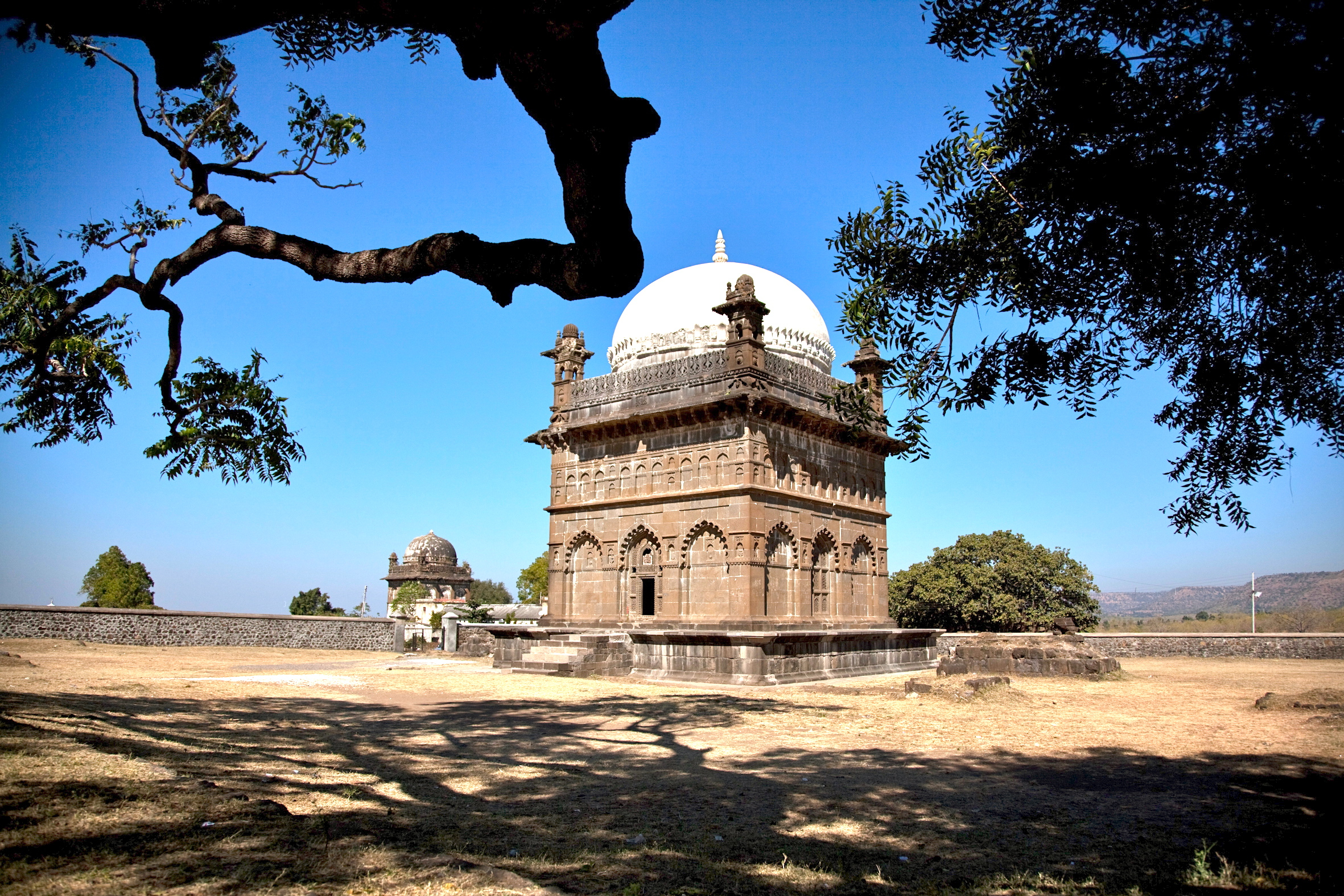
Ambar Malik's tomb at Khaldabad
Maratha chieftains played a significant role in Malik Ambar's success. His most trusted right-hand man was Maloji Raje Bhosle, the grandfather of Chhatrapati Shivaji Maharaj. Recognising Maloji Raje's valour, Ambar granted him the jagir (feudal land grant) of key regions, including Pune and Supe. This was the very land where the seeds of Swarajya were later sown. In subsequent years, Shahaji Raje Bhosle also fought many battles under Malik Ambar's guidance. In the famous Battle of Bhatvadi in 1624, when the Mughals and the Adilshahi of Bijapur joined forces to attack Ahmednagar, Malik Ambar and Shahaji Raje together decimated them.

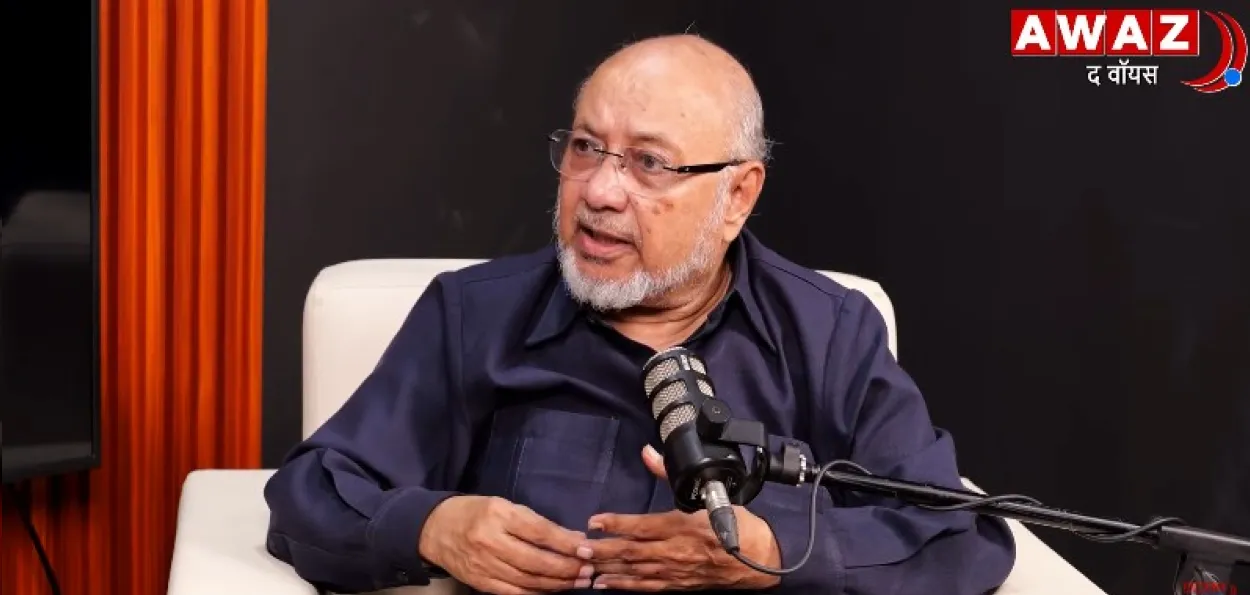
Jnanpith Award-winning senior writer Bhalchandra Nemade has provided profound insights into Malik Ambar's significance in the development of the Maratha Empire.
Nemade says, "If we look for the founder of the Maratha Empire, we usually go back to Shahaji. We don't tend to go beyond him. But the architect of the Maratha Empire before Shahaji was Malik Ambar. It was Ambar who first awakened a sense of nationalism among the Marathas. He united the Deccani Marathas against the Mughals and successfully pioneered guerrilla warfare. He groomed chieftains like Shahaji Raje. Should Malik Ambar, who united the warring factions of Deccani Marathas—Khandagales against Jadhavs, Jadhavs against Bhosles—not be counted in our central culture of Maharashtra?"
Nemade's statement had caused quite a stir in historical circles, but it underscored the truth that Malik Ambar united the scattered Maratha power for a singular cause.
The greatest proof of Chhatrapati Shivaji Maharaj's respect for Malik Ambar is found in the records from the 1670s. When Shivaji commissioned the poet Kavindra Parmanand to compose the epic 'Shivabharat', high praise was accorded to the late Muslim warrior.
Describing a battle scene in 'Shivabharat', the poet writes, "Just as Lord Kartikeya protected the gods in the war against Tarakasura, Shahaji Raje and other kings gathered around Malik Ambar." The poet describes Ambar as "valorous like the Sun," "master of immense power," and "one whose sight made enemies tremble." It is remarkable that this mighty warrior, who shone like a "radiant setting sun" even after death, was originally a slave born in Africa.
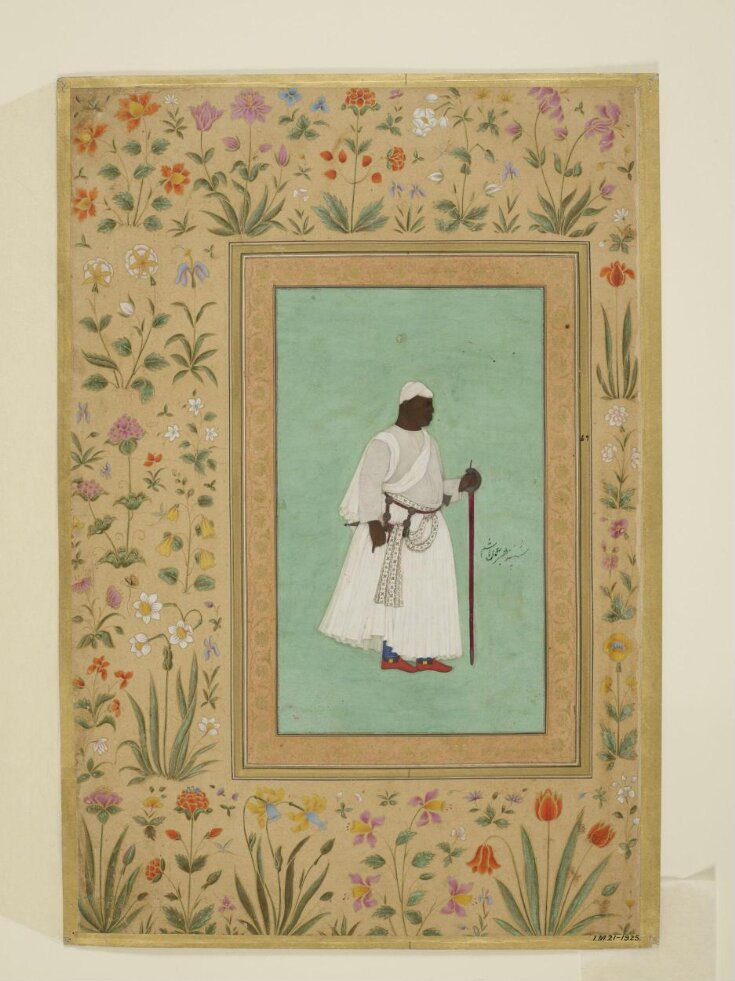 Chhatrapati Shivaji Maharaj effectively used Guerrilla Warfare (Ganimi Kava) in the creation of Swarajya. Notably, it was Malik Ambar who first deployed this tactic—using small units to launch surprise attacks in hilly terrain—to defeat the massive Mughal armies. At that time, it was known as 'Bargigiri'.
Ambarabad instead of Aurangabad
Renowned Indologist Sharad Patil also commented on Malik Ambar's contributions. While writing a book on Ambar a decade ago, he put forth a bold idea. When the renaming of Aurangabad was being discussed, Patil suggested that if the name must be changed, it should be renamed 'Ambarabad' in memory of the city's true founder. It was Malik Ambar who laid the foundation of this city (then Khadki) and enriched it by constructing a water aqueduct system known as Neher-e-Ambari.
Mughal Emperor Jahangir was so infuriated by Malik Ambar that he commissioned a fantasy painting by his court artist. In that world-famous painting, Jahangir is depicted shooting an arrow at the severed head of Malik Ambar. In reality, Jahangir could never defeat Ambar, so he vented his frustration through art. This was the greatest testament to Malik Ambar's prowess.
Remembering a Great Legacy
Malik Ambar passed away on May 14, 1626, at the age of 78. His descendants still reside in the Ahmednagar district and were receiving a pension from the Scindia family until quite recently.
Malik Ambar gave Maharashtra not just military tactics but also laid the foundation of a land revenue system, which greatly benefited the common people (Ryot) later on. The journey of a man who arrived as a slave in a foreign land, assimilated with its people, and rose to the highest position of the empire is unique in world history.
ALSO READ: 2025: Holding head high, India continues to emerge as global power
As Prime Minister Modi begins a new chapter of friendship with Ethiopia, it is only fitting to remember Malik Ambar, the vital link in the historical and cultural relationship between these two nations.
(The author is the Editor of Awaz-The Voice Marathi)