Eman Sakina
Ramzan is a month of mercy, reflection, and renewal. From dawn to sunset, Muslims abstain from food and drink, striving to purify their souls and strengthen their relationship with Allah.
Friday Musings
Within this sacred rhythm of fasting, two moments stand out as deeply meaningful: suhoor and iftar. Though these are simple meals, they carry profound spiritual, physical, and social significance.
The Blessing of Suhoor
Suhoor is the pre-dawn meal eaten before the fast begins. It is more than a practical preparation for the day ahead; it is a blessed Sunnah of the Prophet Muhammad, who encouraged believers to partake in it, even if it were only a sip of water.
Waking up in the quiet hours before Fajr creates a unique spiritual atmosphere. The world is still, distractions are minimal, and the heart feels closer to its Creator. Suhoor becomes a time not only to nourish the body but also to feed the soul. Many people combine it with supplication, recitation of the Qur’an, or seeking forgiveness, making it a moment of intimate connection with Allah.
From a physical perspective, suhoor provides the energy needed to sustain the body throughout the day. A balanced meal helps maintain strength and focus, enabling a person to fulfil daily responsibilities with patience and positivity. Islam, as a complete way of life, recognises the needs of the body alongside the needs of the soul. Suhoor reflects this balance beautifully.
Beyond the physical and spiritual dimensions, suhoor also nurtures discipline. Waking up early requires commitment and intention. It trains a believer to rise above comfort and act with purpose—an essential quality that seeks to cultivate.
The Joy and Gratitude of Iftar
If suhoor represents quiet devotion, iftar symbolises gratitude and joy. At sunset, when the call to Maghrib prayer is heard, Muslims break their fast, traditionally beginning with dates and water, following the practice of the Prophet Muhammad.
Iftar is a powerful reminder of Allah’s countless blessings. After hours of hunger and thirst, even a simple sip of water feels like a gift. This daily experience softens the heart and increases empathy for those who face hunger not by choice, but by circumstance. It nurtures compassion and encourages charity.
Spiritually, the moment of breaking the fast is precious. It is a time when supplications are readily accepted. The believer turns to Allah with humility, acknowledging dependence on Him for sustenance and strength. The hunger endured throughout the day transforms into gratitude and hope.
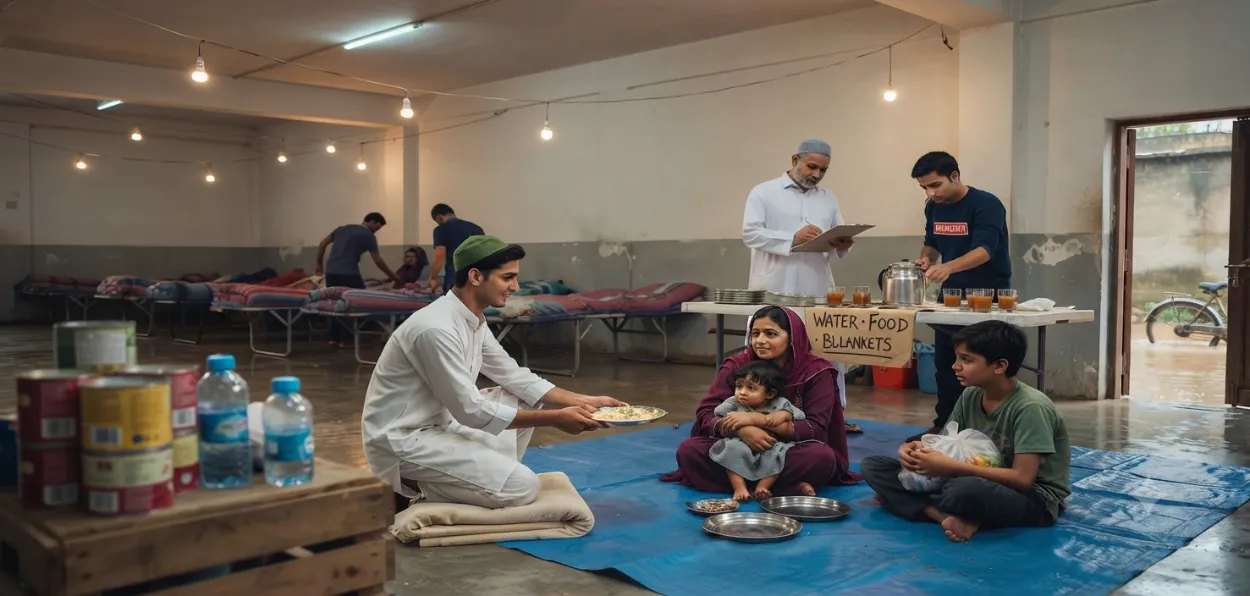
Iftar also strengthens bonds within families and communities. Sharing meals creates warmth and unity. Mosques and homes open their doors to guests, neighbours, and the less fortunate. Differences fade as people sit together at the same table, united in worship. In many parts of the world, communal iftars become expressions of generosity and brotherhood.
A Daily Lesson in Balance
Suhoor and iftar together frame the daily journey of a devout Muslim. One begins the fast with intention and trust in Allah; the other ends it with gratitude and remembrance. One is quiet and reflective; the other is joyful and communal. Both are acts of worship when done with sincerity.
They teach patience, self-control, and appreciation.
They remind believers that life itself is a cycle of effort and reward, struggle and relief. Just as hunger is taken care of by the iftar meal, the hardships of life are followed by ease for those who remain steadfast.
Making the Most of Suhoor and Iftar
To truly benefit from these blessed moments:
Approach suhoor with intention, not as a rushed obligation.
Choose moderation rather than excess, remembering that it is a month of discipline.
Use the moments before iftar for a heartfelt dua.
Share iftar with others whenever possible, especially those in need.
Keep gratitude at the centre of both meals.
Suhoor and iftar are not merely the beginning and end of a fast; they are sacred pauses in the believer’s day. They nourish the body, uplift the spirit, and unite communities. In their simplicity lies profound wisdom. Through them becomes more than abstaining from food—it becomes a journey of awakening, gratitude, and closeness to Allah.
May every suhoor be filled with barakah and every iftar be filled with sincere gratitude.