Vidushi Gaur/New Delhi
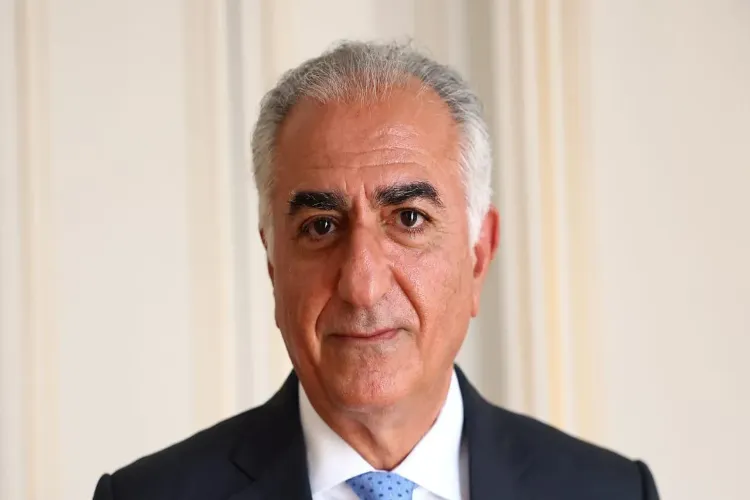
The ongoing turmoil in Iran, triggered by the economic woes due to prtolonged economic sanctions imposed on the theorcratic state led by its Supremo Ali Khamenei, has thrown up a new leader on the horizon - Crown Prince Reza Pahlavi. The eldest son of Mohammad Reza Shah Pahlavi, the last Shah (king) of Iran whose government was banished in the 1979 Islamic Revolution, he has been living in exile in the West andf mostly the USA.
His name is being propped up for leadership of the country should the turmoil lead to a regime change. Even the Shah is communicating with the Iranian protesters through social media and prompting them to rebel against the hardline theocracy. He even told them tyhat 'aid is on the way."
Despite spending decades abroad, Pahlavi remained a symbolic figure for a section of the Iranian Diaspora and political opposition. Unlike traditional monarchs, Pahlavi has publicly stated that he does not necessarily seek a restoration of monarchy, but instead supports a future where Iranians choose their own governance model, ideally a democratic system reflecting liberal values.
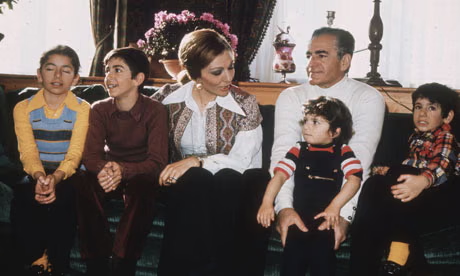 Shah Reza Pahlavi as a young prince
For years, Pahlavi advocated human rights, democratic reform, and an end to the theocratic rule of Iran’s Supreme Leader and clerical elite. He has been vocal in criticising the current regime and urging support from international figures, including U.S. politicians, to apply pressure on Iran’s leadership. His calls for change have grown louder in recent years as domestic discontent within Iran has increased.
However, the context in which Pahlavi is now gaining attention is not because he was impeached, it’s because Iran is experiencing some of the largest anti-government protests in years, and Pahlavi’s voice has become more prominent in the narrative of those events.
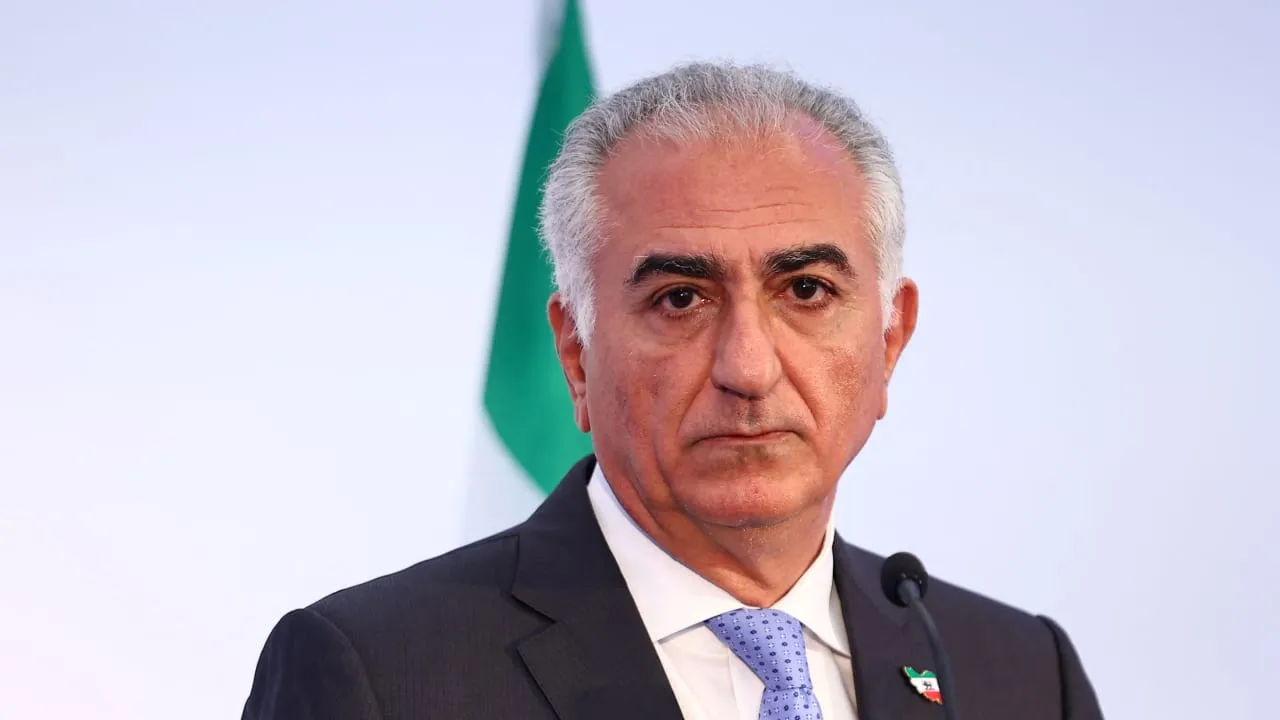 Reza Pahlavi
Since late 2025 and into early 2026, Iran has seen sustained nationwide protests driven by economic hardship, political repression, inflation, and frustration with the ruling system. These demonstrations have brought together people from diverse backgrounds, including students, workers, and activists pushing for political reform.
Within this broader movement, some protesters have chanted slogans like “This is the final battle, Pahlavi will return,” reflecting a hope among certain groups that Pahlavi will return from exile to help lead Iran’s transition, although this sentiment is not universally shared across the entire protest movement.
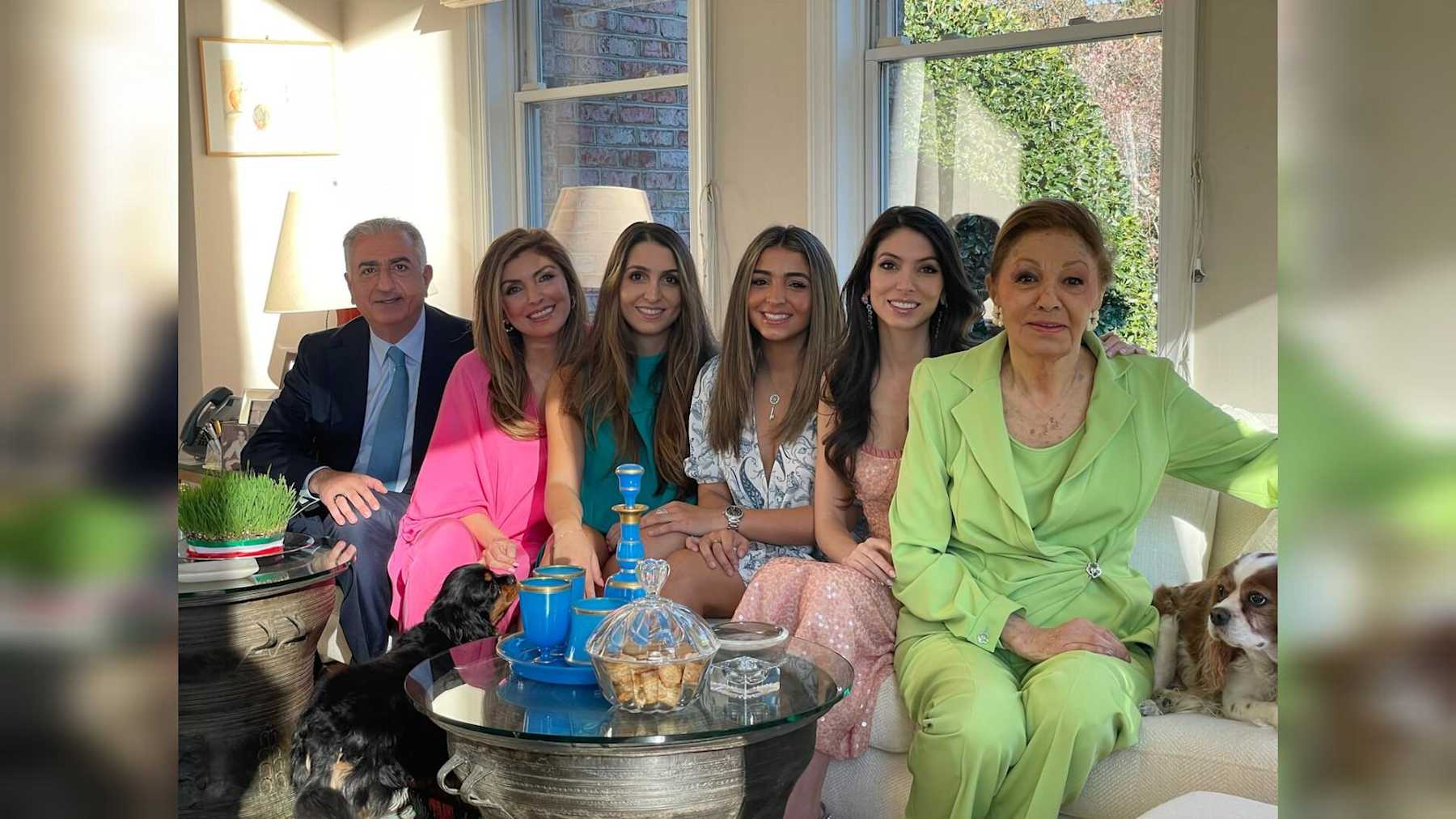 Shah Reza Pahlavi with his family
Pahlavi has been actively engaging with these developments by:
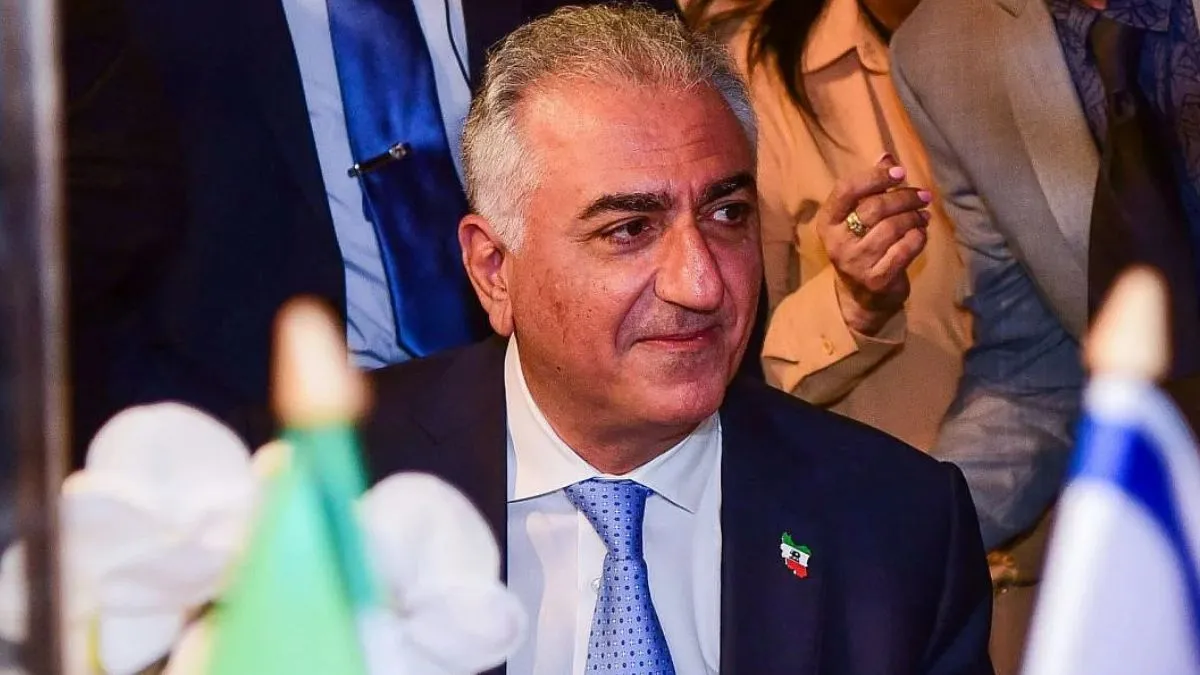 Reza Pahlavi
These efforts are part of a broader attempt by Pahlavi and other diaspora-led groups to position themselves as part of a unified opposition capable of shaping Iran’s future.
Currently, Reza Pahlavi is being referenced by some protestors inside Iran, indicating a symbolic link between anti-regime sentiment and a desire for change that could include a renewed role for the former crown prince.
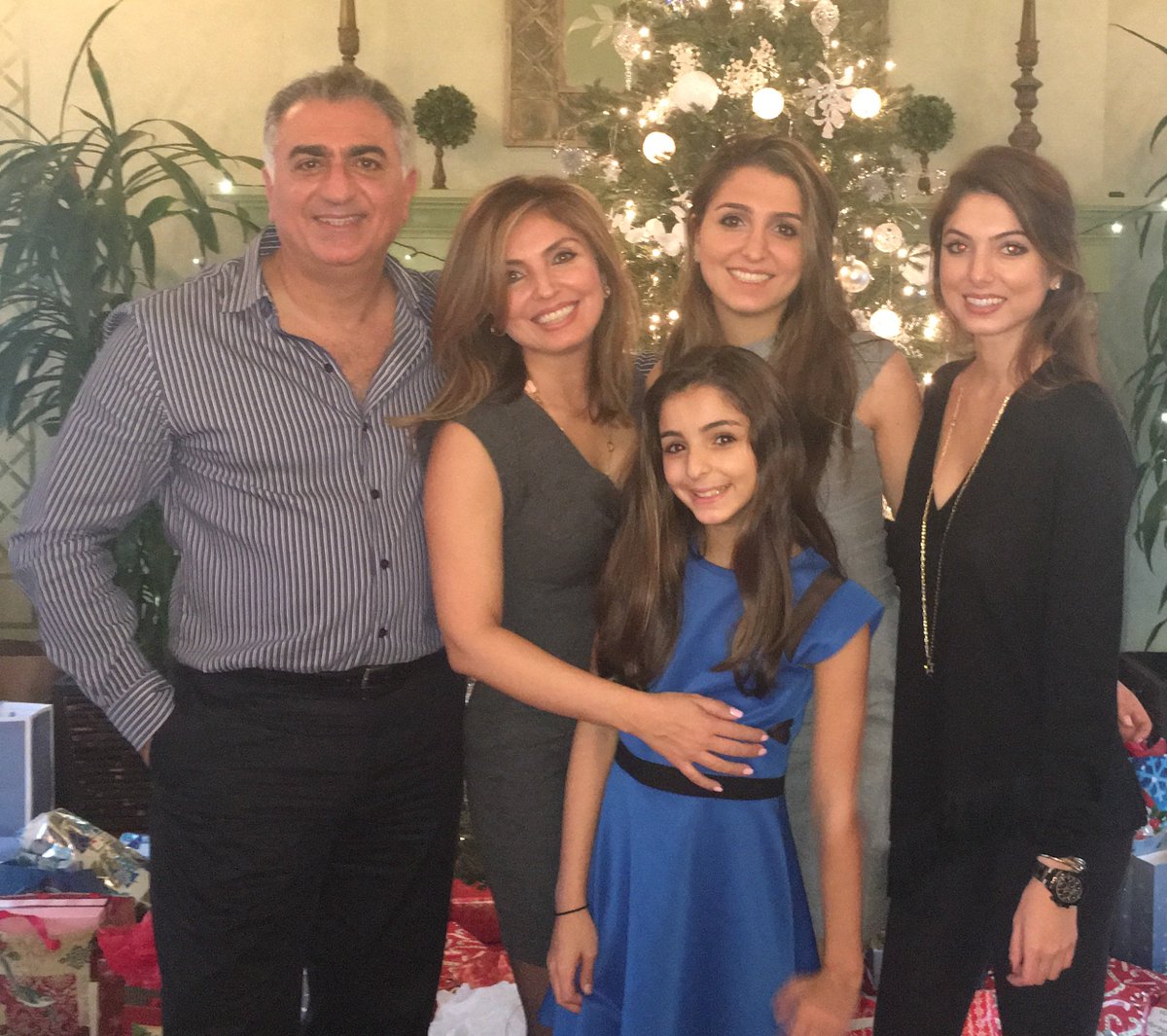 Shah Reza Pahlavi with his family
However, many Iranians remain cautious about monarchy or any single leader as the solution, emphasising the need for broader democratic reforms.
Pahlavi has reaffirmed his commitment to a democratic and people-led future, not necessarily a return to monarchical rule, stressing that the choice should rest with Iranians themselves.
Internationally, his visibility has increased as he speaks to foreign media, engages with diaspora communities, and outlines post-regime transition plans, but he does not have official standing within Iran’s current political system, and there is no impeachment or formal political process involving him in Tehran.
Instead, he remains a prominent opposition figure in exile, acting as a rallying point for segments of the protest movement and diaspora supporters.







.webp "Iran's Ambassador to Britain and permanent representative to the International Maritime Organisation (IMO), Seyyed Ali Mousavi")