M Sreelata
Often one wonders on any given day while waiting at a bus stop as to who must have swept the streets clean so early in the day. Or wonder why the city has not turned into a garbage dump given the amount of muck each house or shop generates in a day. Or vice versa.
Well, these are taken care of (or not) by public systems which are invisible most of the time.
Waste disappears from streets. Welfare schemes reach some and miss others. Offices function through files and approvals. But behind these everyday outcomes are administrators who work less like decision-makers in isolation and more like coordinators of complex, living systems comprising many many workers.
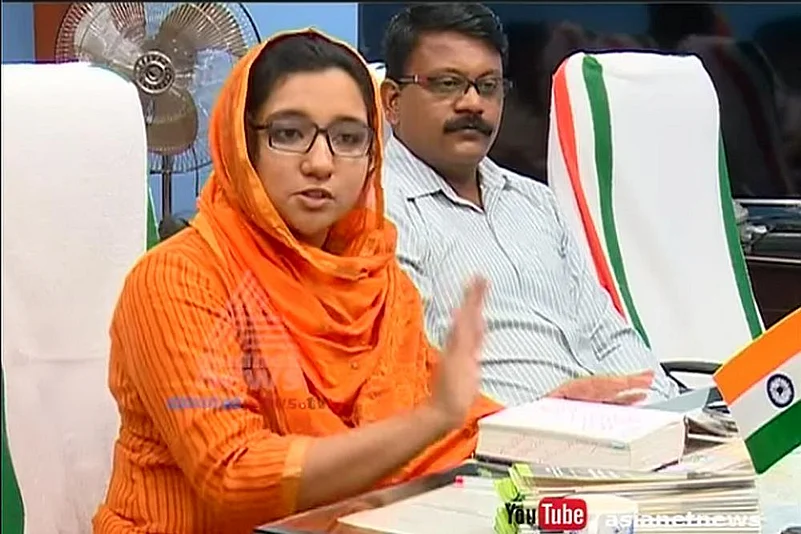
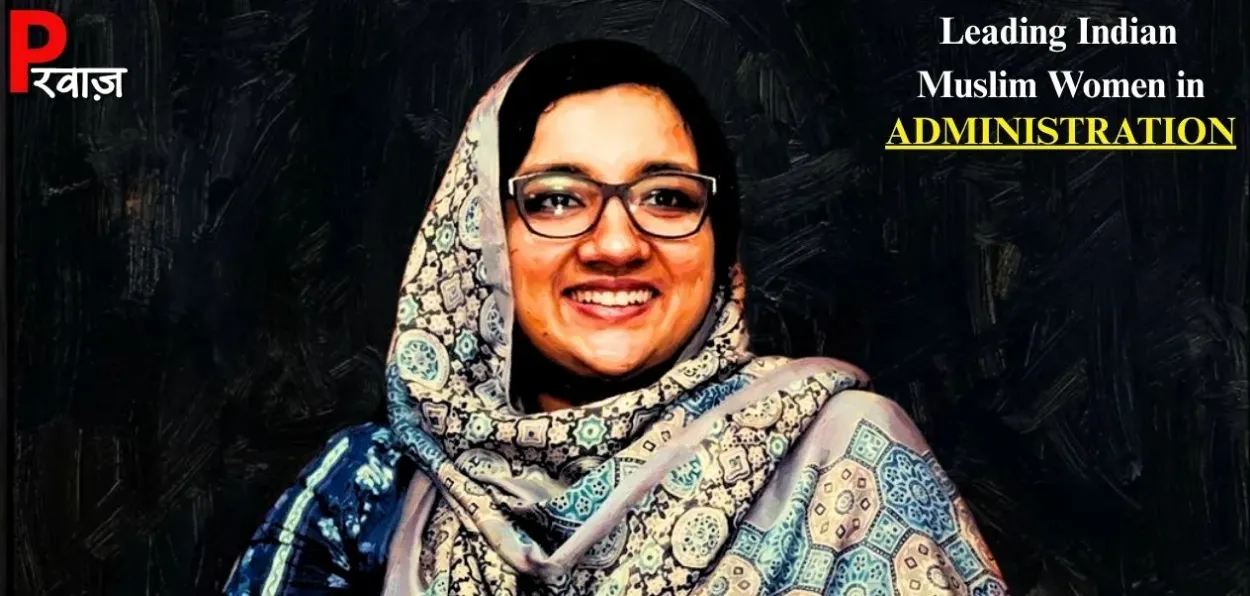
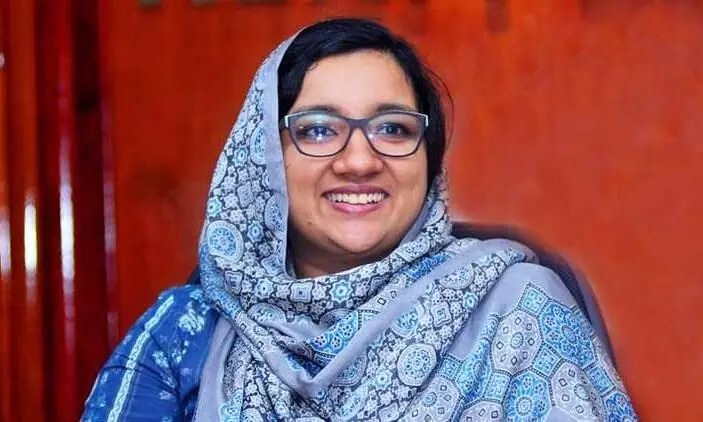
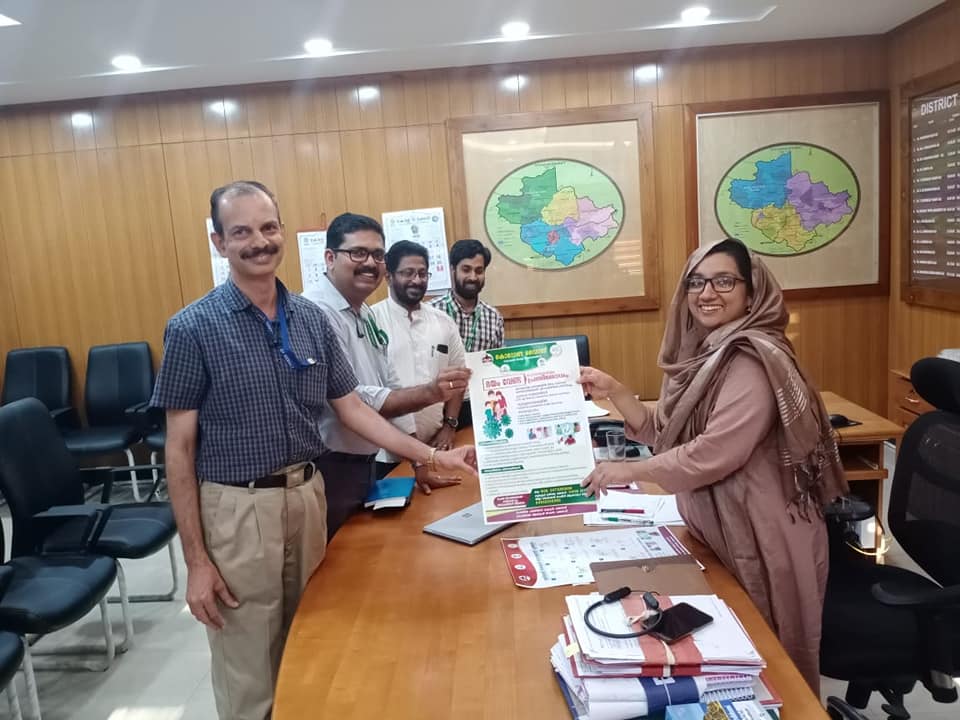
Dr Adeela Abdulla, an officer of the Indian Administrative Service (Kerala cadre), belongs to this category of governance professionals. Known in Kerala as one of the early Muslim women from Malabar to enter the Indian Civil Service, her work today as Special Secretary in the Department of Social Justice, Government of Kerala places her in one of the most sensitive spaces of public administration—where policy directly meets human vulnerability.
On the one hand these departments have to deal with large numbers. On the other it has to address diverse needs. The role played by an administrator like Adeela Abdullah here is to be the link between the programme and the people. She is supposed to ensure that these programmes reach the target groups.
Before this role, Dr Adeela, was associated with one of Kerala’s most ambitious urban governance initiatives—the Kerala Solid Waste Management Project (KSWMP). The project was trying to achieve a difficult target: to streamline every thing from collection, segregation, treatment to disposal.
It was spread across 93 Urban Local Bodies, at state, district and block levels supported by international institutions.
Adeela Abdullah as an anchor of this programme was to ensure that all the links in the chain stayed connected.
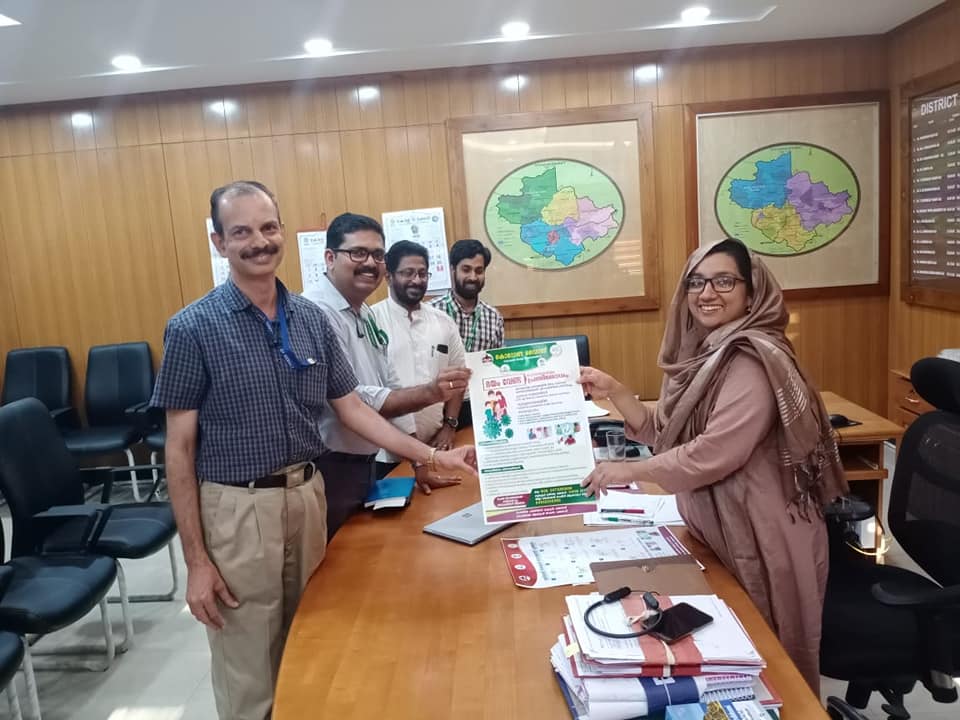
In an article in the Government owned publication Kerala Calling, she has written about the programme and its challenges and says it is looking at long term solutions and not quick fixes.
Instead of treating waste management as a recurring crisis, it aimed at building infrastructure and capacity that could last over decades.
Adeela Abdullah’s work in social welfare also like her previous project demands coordination and accountability in transferring policy to lived experience of the people on the ground.
The success of these programmes will not be known in a day. It will define what the state will be in the next ten years. Hence the administrator who works behind the scene has a silent role, with zero public visibility or accolades.
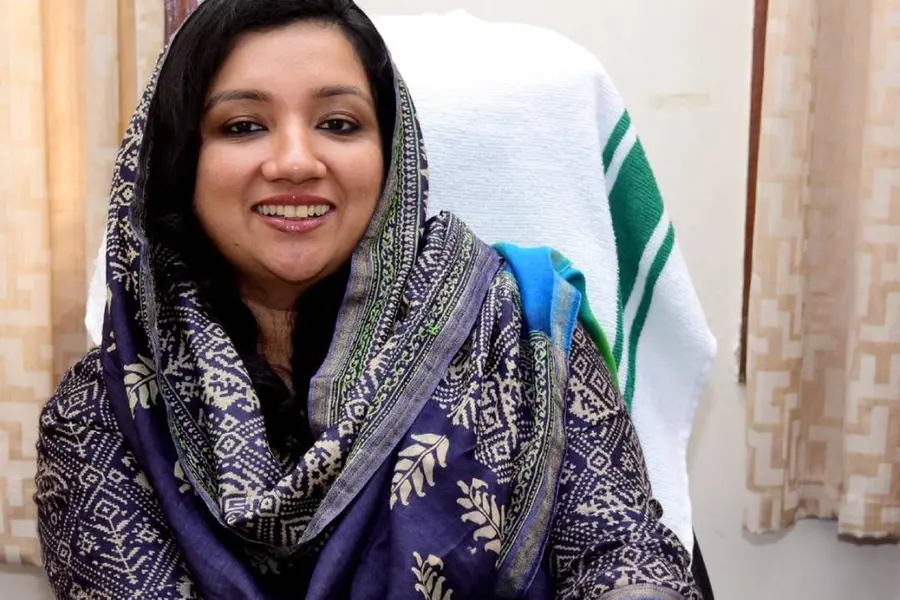
But Adeela Abdullah is an administrator who seemed to have been moulded as a child for such an important role.
Recently in an Instagram post she recalled how her mother had once looked at homeless people living in the open and said to hr that if she ever has some power to do something when she grows up she should help the homeless.
Today as Special secretary in the department of social welfare, Adeela Abdullah feels she may be able to fulfil her mother’s wish, a wish that every mother ought to have for all the children whoever they belong to, that no one should sleep on the streets without a home.
She says that a project she drew for the urban homeless derived its inspiration from those reflective comments of her mother she heard long ago.
She holds on to every inspiration she can draw and these seem to build her persona as a creative positive changemaker.
Some time back when she was heading the Urban development department she had reflected on who inspires her most. It was none other than her father who she calls Osho Abdulla. A post by her on Facebook became a memoir of sorts when she wrote about her father and how he still inspires her actions.
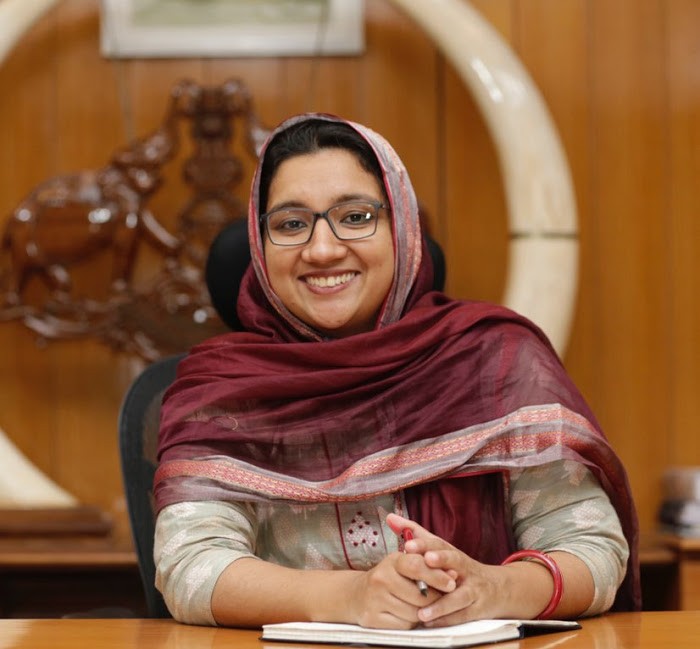
“I have seen my father pray only once in my life—at an Eid prayer. But he always encouraged others to go to the mosque. I have never heard him ridicule anyone or speak negatively about others, she wrote. She added that her mother piously said her namaz five times a day but her father had nothing against that and they shared a wonderful relationship.
What seems like a chapter straight out of a Malabari Ruskin Bond, she writes: "During travel through Mahe, he would bring back fried tapioca snacks wrapped in leaves along with stories. I would wait for him, because that was when the flow of stories began. It was during those nights that conversations stretched until sleep slowly came.
"My father and I would sit together until he fell asleep. It was during those nights that I encountered Citadel, Hermann Hesse’s Siddhartha, M.T. Vasudevan Nair’s stories, Punathil Kunjabdulla, and Khushwant Singh. I would stay awake listening, eating, and reading through his stories until he slept. A vast world opened before me.’’
The stories sure have influenced her going by her prolific social media outpourings.
She says that the two people who told her that she would be known when she grew up were her father—whom she called ‘Kunjappa’ (Abdullah, Osho Abdullah)—and her neighbour, whom she called Pappettan.
Pappettan, who studied astrology, had lived in Madras for many years. In those days without Google or the internet, those conversations with her father and Pappettan were a window to the world. ``Through them I saw countries, people, and stories I had never physically encountered.
That is how I grew into the idea of becoming what I eventually became. Those worlds shaped my thinking long before I entered civil service. I try to hold on to the values I learnt then throughout my life. They give courage—not only to me, but I believe they can give courage to any girl,’’ she writes.
She has shared the tenets she holds close to her heart, tenets which were passed on to her by her father. She finds inspiration in these words of hope and generosity. The first one is of hope. Even if a single person remained on earth there was still hope, her father told her.
Again, no one was indispensable as life continues with or without us. There are ideas like failure doesn’t exist unless one accepts it as the final outcome and about continuing to learn, and that one should do good as long as one is alive.
READ MORE: Adeeba Anam's story of becoming first Muslim woman IAS from Maharashtra is inspirational
These advices which she describes as muthukal or pearls are close to her heart. And with a job that touches the lives of so many vulnerable people, these pearls of wisdom seem to be certainly empowering her.


_(1).jpg "Visitors gather at the Santosh Mitra Square Durga Puja pandal, themed on the 150th anniversary of Vande Mataram and its historic role in India's freedom movement, ahead of the festival, in Kolkata")

.jpg "Gujarat’s women entrepreneurs bring their craftsmanship to life during Navratri")








_(4).webp)
_(2).webp)