




.webp "Rani Khanam (Sunday)")
Onika Maheshwari/New Delhi
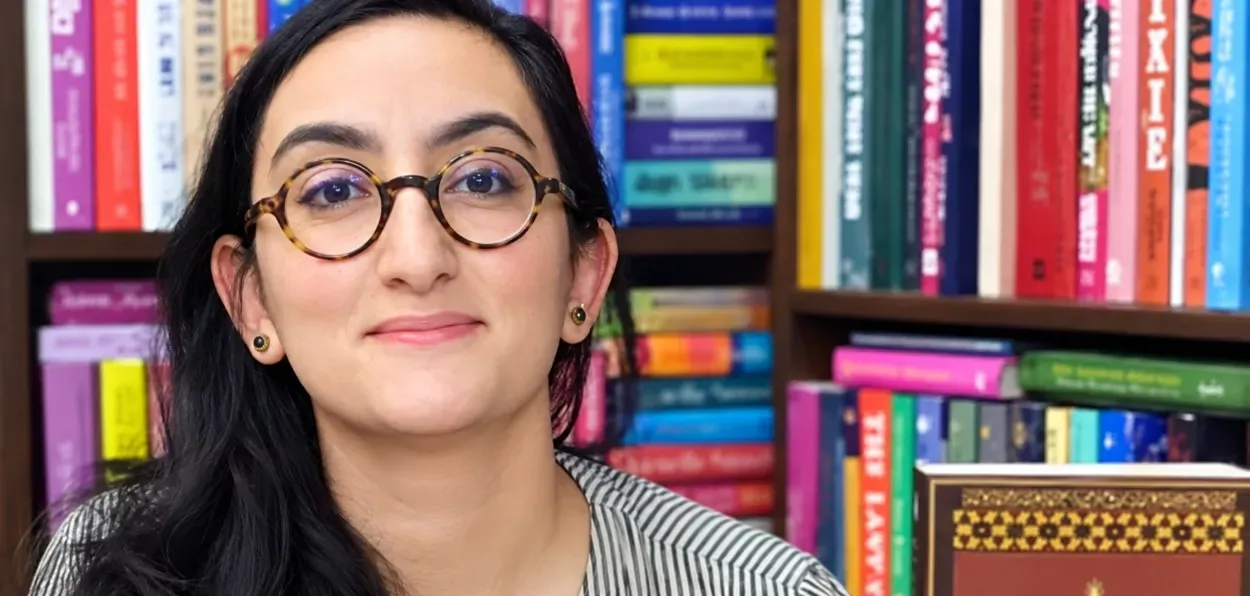
Rani Khanam was born into a conservative family where dancing and singing were not considered acceptable, yet she went on to become one of the world’s most respected Kathak artists. From quietly resisting social restrictions to gaining global recognition, her journey is an extraordinary story of courage, artistry, and self-belief.
Originally from Gopalganj, Bihar, Rani is known not only for her strong command over Kathak but also for empowering underprivileged communities through this classical art form. Through her performances, she has supported women’s empowerment and highlighted many important social issues.
She is the only Indian Muslim classical dancer known for creating dance compositions based on Islamic verses and the poetry of Sufi saints.
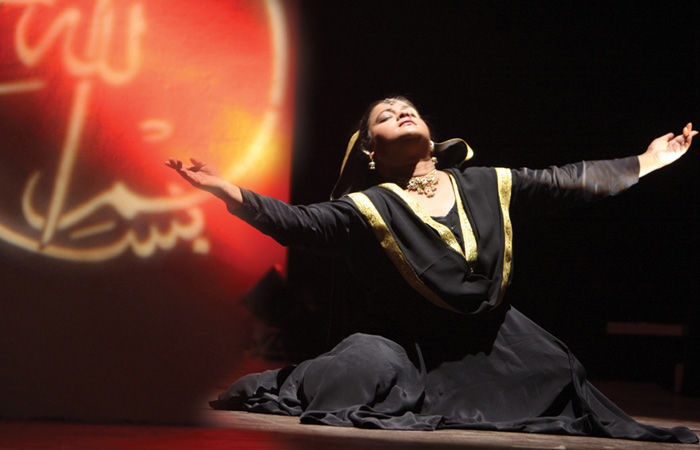 Rani Khanam performing
With her dance troupe, she has performed in countries such as the United Kingdom, Spain, France, South Korea, Malaysia, and Algeria. She is the founder of Aamad Performing Arts Centre, established in 1996, which is now considered one of India’s leading performing arts institutions.
Under her leadership, Aamad has presented numerous performances addressing themes such as women’s rights, gender equality, HIV/AIDS awareness, and the social inclusion of persons with disabilities.
The center is recognized by the Ministry of Culture and the Sangeet Natak Akademi, and is also listed with the Indian Council for Cultural Relations. To promote inclusive and accessible arts education, the center works in collaboration with Kathak Kendra, India’s National Kathak Institute.
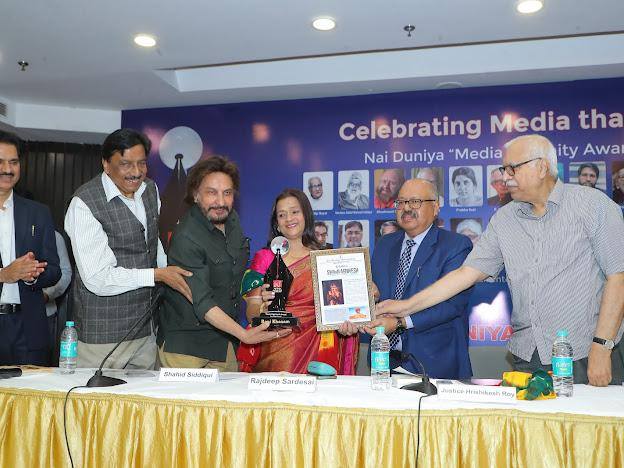 Rani Khanam receiving as award
Rani’s journey began in Gopalganj, Bihar, where she fell in love with Kathak at an early age. She practiced secretly for many years, hiding her ghungroos, harmonium, and tabla from her family to conceal her passion. When her family began discussing her marriage, she chose to pursue her dreams instead of simply following tradition.
Although her family did not openly stop her, the pressure of social expectations and her internal struggle weighed heavily on her. After completing her early education in Muzaffarpur, she moved to Delhi in the third grade, where her talent for music and dance became evident at a young age.
In 1978, she began formal Kathak training under Watan Khan Sahib, and later studied with Reva Vidyarthi and the legendary Pandit Birju Maharaj. Her respect for the guru-shishya tradition remained a vital foundation of her art.
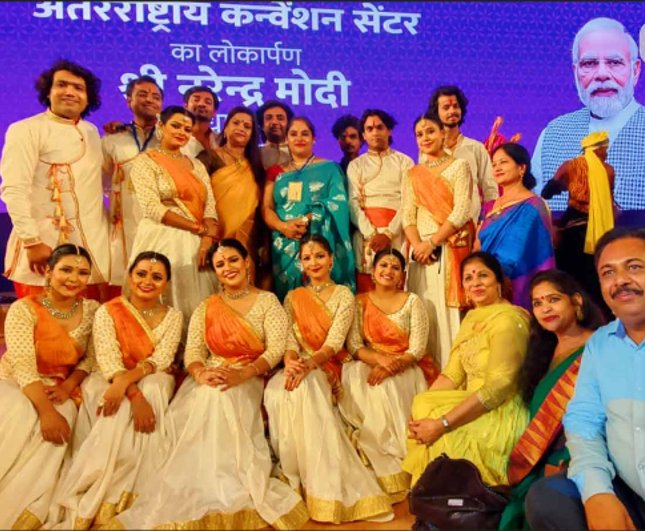
Rani Khanam with her troupe
Over time, Rani Khanam created a distinct artistic identity for herself and introduced new dimensions to Indian classical dance as a choreographer and performer. Through Aamad, her work has impacted the lives of more than two million people through performances, workshops, festivals, and training programs.
Aamad provides professional training in dance and music to youth of all abilities, many of whom come from economically weaker backgrounds and pursue their dreams through scholarships. The center also creates employment opportunities for physically challenged artists, women, and marginalized communities.
Among her most impactful works are interpretations of Sufi themes, performances by wheelchair-bound artists, and dance productions advocating for the rights of Muslim women. These have been staged on prestigious platforms across the world.
Her largest international performance took place in Kuala Lumpur, attended by the King, Queen, and Prime Minister of Malaysia. In London, she participated in the Salaam International Islamic Arts Festival alongside Sufi musicians and artists from around the world.
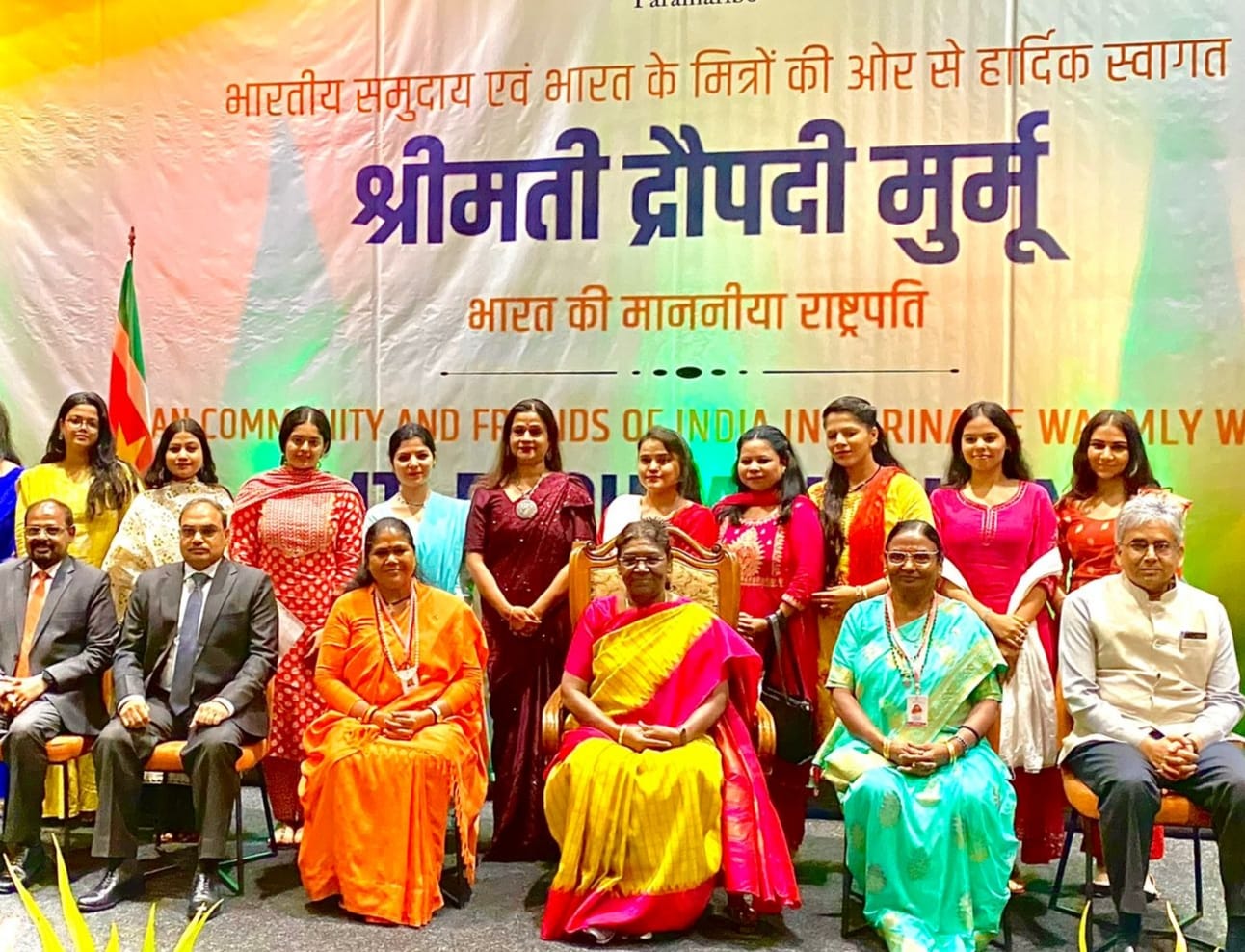
Rani Khanam with President Droupadi Murmu
Other major festivals include Namaste France, South Korea’s Asia Traditional Song and Dance Festival, the Netherlands’ Tropical Dance Festival, and New York’s Erasing Borders. Her troupe has represented India at cultural events in Canada, Australia, Japan, Singapore, the Middle East, Central Asia, and North Africa.
Rani has also collaborated with Sufi musicians from Turkey, Cairo, Bosnia, and Morocco. Her understanding of Sufism is deeply personal, and she considers it a sacred inward path—much like Sanatan Dharma, a way of life. Although she incorporates Islamic philosophy into Kathak, she does not accept the term “Sufi Kathak,” believing that Sufism is not a dance style but an expression of the soul.
Her ability to combine these elements has developed a new expressive language in Kathak that respects tradition while expanding its boundaries.
Her family follows the Chishti Sufi order, and her experiences of Sufi gatherings, qawwali, and sama mehfils deeply shaped her artistic vision. Her choreography is meditative, portraying the soul’s journey and its search for divine union through movement and rhythm. Over the years, her work has been appreciated by common audiences as well as Presidents, Vice Presidents, Prime Ministers, Chief Ministers, and Governors.
.png)
She has choreographed more than 200 dance compositions covering traditional, contemporary, and social themes. Indian and international critics regard her as one of the most innovative Kathak artists of her generation. She has been empanelled in the Outstanding Category by the Indian Council for Cultural Relations and recognized as a Top Grade Artist by Delhi Doordarshan.
She has received numerous prestigious awards, including the Women Achievement Award 2022, National Unity Award 2017, L’Oréal Femina Women Award 2014, and National Women Excellence Award 2012. In 2026, she was also honoUred with the Media for Unity Awards organized by Nai Duniya Foundation, which she received with great pride.
This recognition was given for her social work and contributions toward promoting unity and awareness in society. In 2006, she received the World Dance and Islam Fellowship from the Asian Cultural Council in New York, along with a Senior Fellowship from the Ministry of Culture and the India Foundation’s Outstanding Kathak Dancer Award in 1991.
For Rani Khanam, Kathak is not merely a performing art but a spiritual journey. Her work expresses inner devotion and portrays the eternal dance between the soul and the Divine. Through her dance, she has built bridges between classical tradition and contemporary relevance, spiritual depth and artistic innovation, and among India’s diverse religious and cultural identities.
ALSO READ: Dr. Sushil Razdan: The healer who united Kashmir
Her legacy lies not only in her graceful movements, but also in the message that art can transcend barriers, challenge conventions, and become a powerful force for inclusion, awareness, and unity.
ALSO WATCH:










_(1)_(1).webp)

_(1).webp)