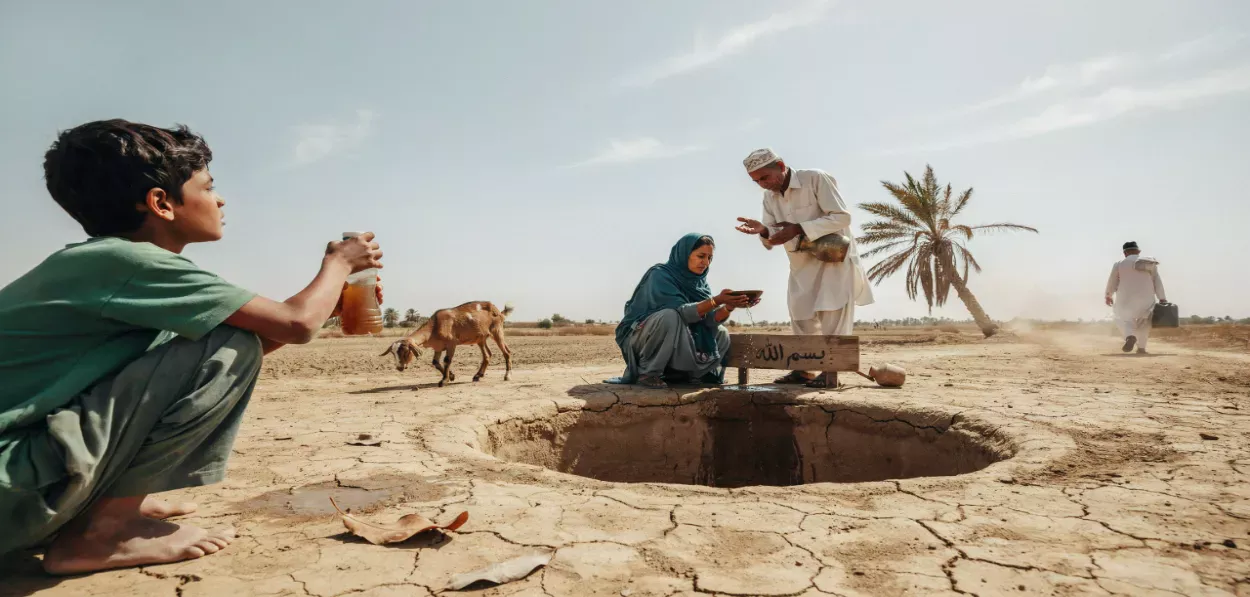
But as modern water supply systems replaced traditional methods, the profession gradually became obsolete. While the occupation disappeared, the caste identity remained, leaving the community grappling with social and economic marginalisation.
Today, the Bhishti community is asserting its rights as an Other Backward Class (OBC) group in Rajasthan, and much of the credit for this transformation goes to social activist Saeed Manav, who has dedicated his life to preserving the community's identity and securing its rights.
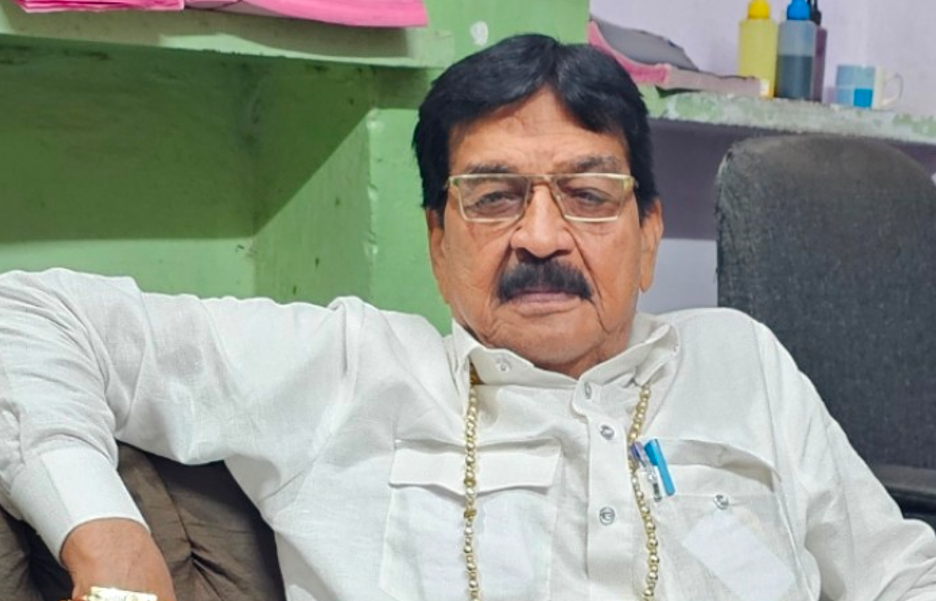 Social activist Saeed Manav
Though the profession of carrying water in waterskins has largely vanished, traces of it survive at the Ajmer Dargah of Khwaja Moinuddin Chishti in Ajmer, where Bhishtis can still be seen carrying water in traditional leather mashaks to assist devotees with ablutions. Here, the practice survives more as a symbol of tradition and heritage than necessity.
Historically, the mashak, made from buffalo or goat hide, was the hallmark of the Bhishti profession. During the era of kings and nawabs, members of the community enjoyed considerable respect and occupied a distinct place in society. However, technological advancements rendered their centuries-old occupation redundant, gradually eroding the community's visibility and identity.
It was in these circumstances that Saeed Manav stepped forward to preserve the history and legacy of the Bhishtis.
Born Mohammad Saeed in Jaipur, he adopted the surname "Manav"—meaning "human"—as a reflection of his commitment to social service. He says that while he has received numerous honours during his lifetime, the name "Manav" remains the greatest recognition because it symbolises humanity above all else.
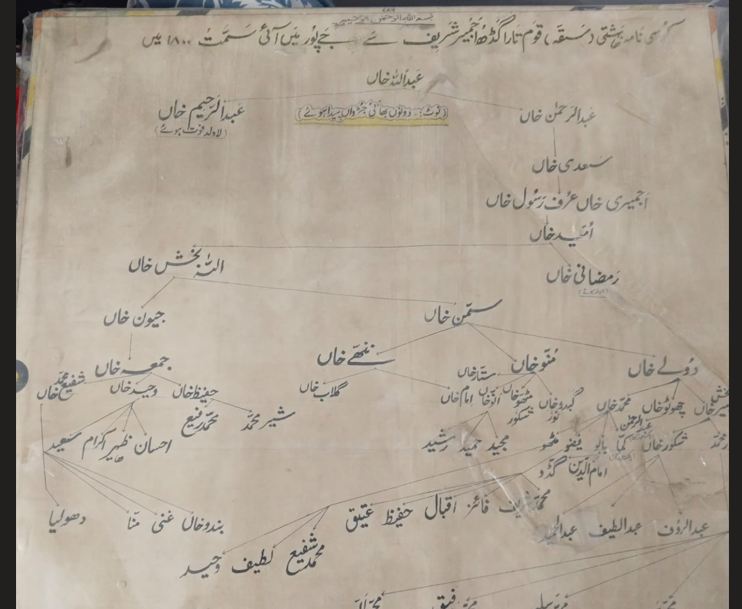 A map showing Bishti community's presence prepared by Saeed Manav
His inspiration came from his father, Haji Noor Mohammad, a prominent leader of the Bhishti community. During the 1970s, Noor Mohammad played a key role in organising community members and advocating for their welfare. As a child, Saeed frequently accompanied his father to meetings and social gatherings, experiences that nurtured within him a strong sense of leadership and public service
When community representatives appeared before the Rajasthan Backward Classes Commission, they were asked to provide historical and social evidence to support their claim. The experience proved transformative for Saeed Manav.
"It was then that I realised that rights are secured not merely through emotions, but through facts and documentation," he recalls.
Determined to build a strong case, Manav embarked on extensive research into the history of the Bhishti community. He travelled across Rajasthan, visiting Jaipur, Ajmer, Jodhpur, Bikaner, Tonk and Bharatpur, collecting old records, genealogical documents, mosque archives, tazia records and other historical materials.
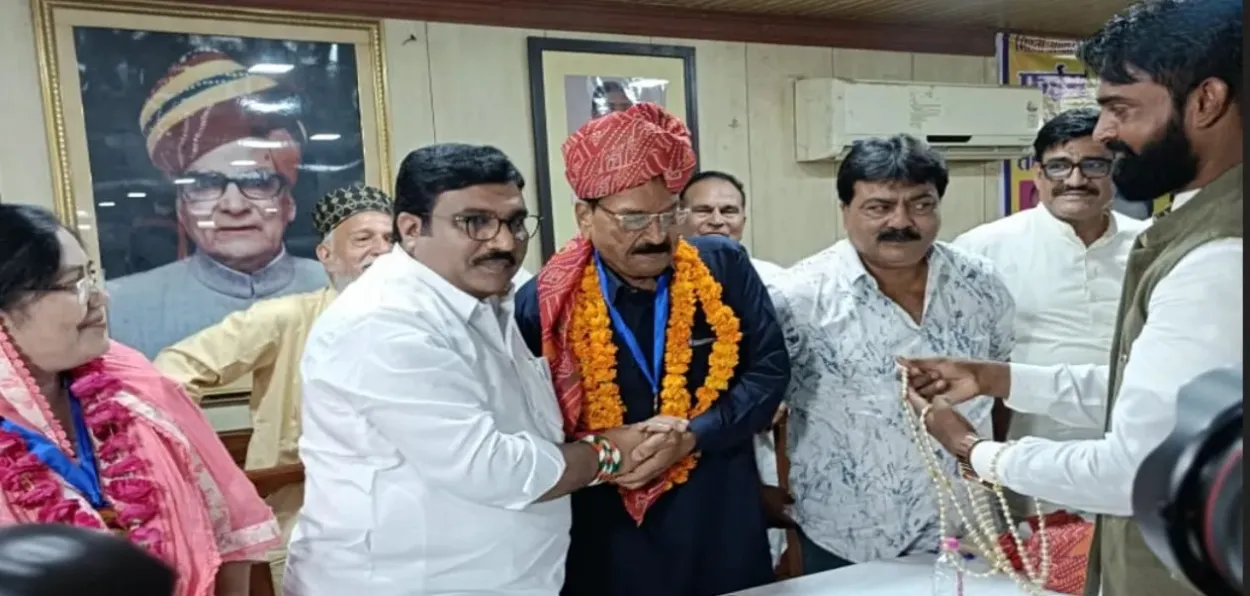
Armed with this evidence, he presented the community's case before the then Chief Minister Ashok Gehlot and founded the Rajasthan Bhishti Samaj Sudhar Samiti in 1994.
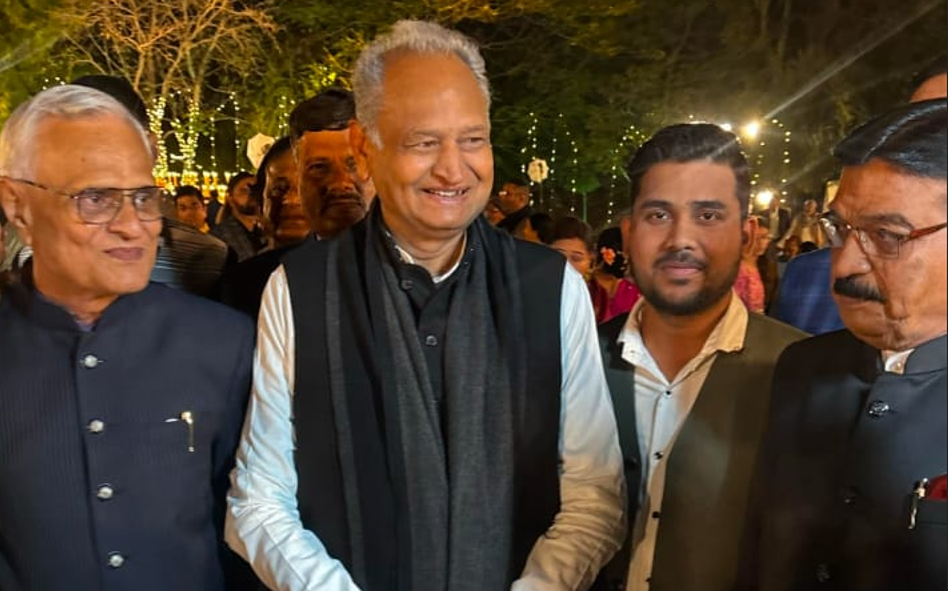 Saeed Manav with Chief Minister Ashok Gehlot
The organisation spearheaded a sustained campaign for the community's rights. After years of advocacy and an extensive survey process, the Bhishti community was finally included in Rajasthan's OBC list in 2000.
For Manav, the achievement was far more than an administrative victory.
"It changed the future of thousands of young people," he says. "It opened doors to education, scholarships, government jobs and greater social opportunities."
His efforts extended beyond the OBC movement. In 2005, Manav played a crucial role in securing national recognition for Habib Miyan, a member of the Bhishti community who was then believed to be the oldest living person in India. Manav gathered documents relating to Habib Miyan's birth, service record and pension history, helping secure his entry into the Limca Book of Records.
Another symbol of the community's heritage is the Bhishtiyon Ki Badi Masjid (Grand Mosque of the Bhishtis) in Jaipur's Ghat Gate area. Manav has long been actively involved in its management and preservation.
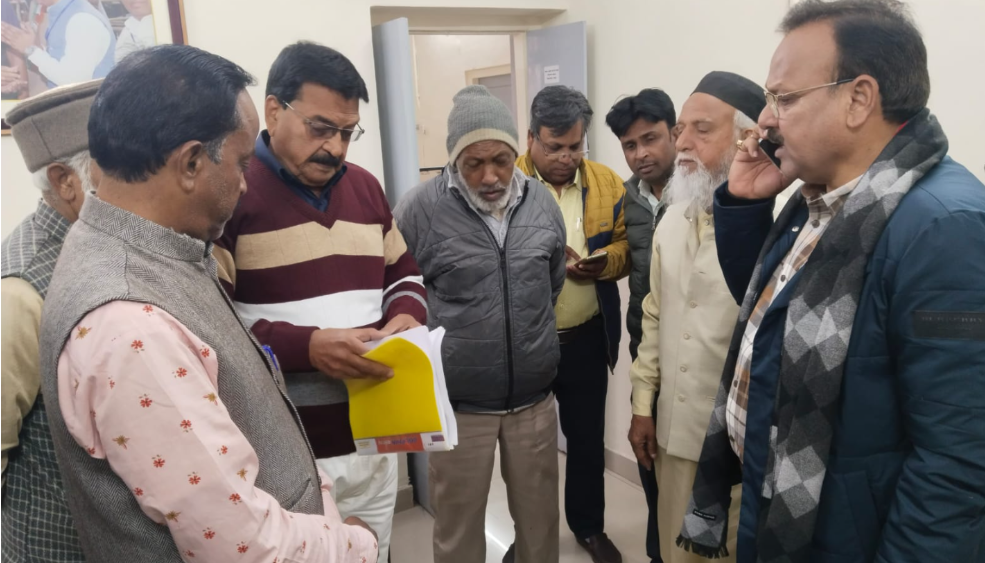 Saeed Manav with people from Bishti community
Over the years, he has also worked to promote education within the community by honouring meritorious students, encouraging academic achievement and organising mass wedding ceremonies to support economically weaker families.
Today, the father of three sons and six daughters nurtures an even larger dream: the establishment of a permanent community centre for the Bhishti community. He envisions the centre as a hub for education, vocational training, research, youth guidance and community events, including mass marriages.
ALSO READ: Rani Khanam broke barriers to become India's top Muslim Kathak dancer
Looking back on more than four decades of social activism, Saeed Manav's journey represents more than the story of a single individual. It is the story of an entire community that fought to reclaim its lost identity, preserve its history and secure a more dignified future for generations to come.

.webp "Pilgrims on the way to Amarnath shrine")










.webp)