Ashhar Alam | New Delhi
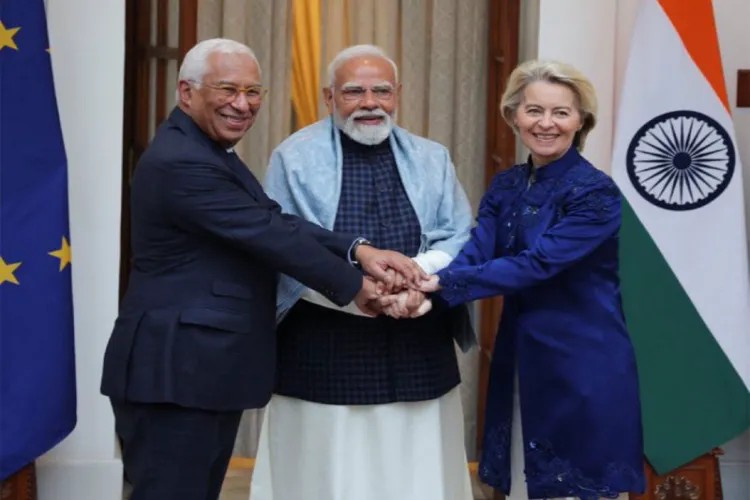
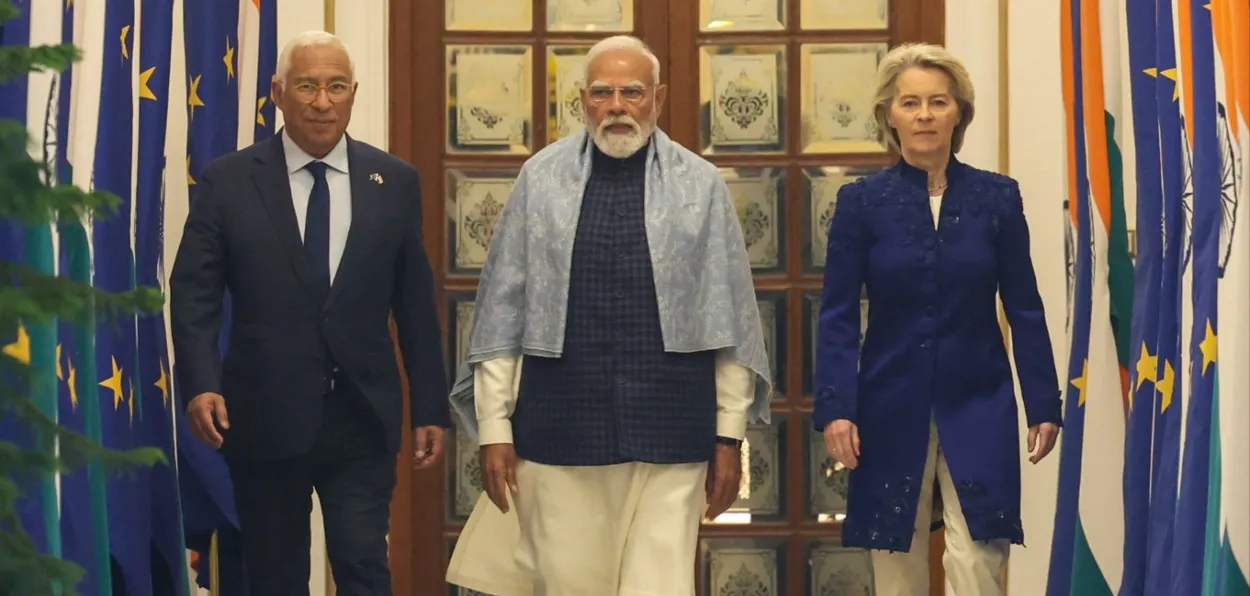
The recently concluded India-European Union Free Trade Agreement (FTA) is expected to make the most immediate impact on the premium automobile segment, while creating new growth opportunities for sectors such as alcoholic beverages and auto components, according to industry experts.
In the automotive industry, the FTA is set to redefine the top end of the passenger vehicle market. By slashing import duties on select European cars, global manufacturers may recalibrate pricing strategies, adjust launch timelines, and expand their model offerings in India—particularly in the luxury and high-technology segments.
Poonam Upadhyay, Director at Crisil Ratings, said the effect will be concentrated at the premium level rather than across the overall vehicle market. “India’s plan to reduce import tariffs from 110% to around 40% initially, and eventually to 10%, on a quota of about 250,000 cars priced above EUR 15,000, will give European OEMs the flexibility to price imported models more competitively, expand their model range, and recalibrate launch price points,” she explained.
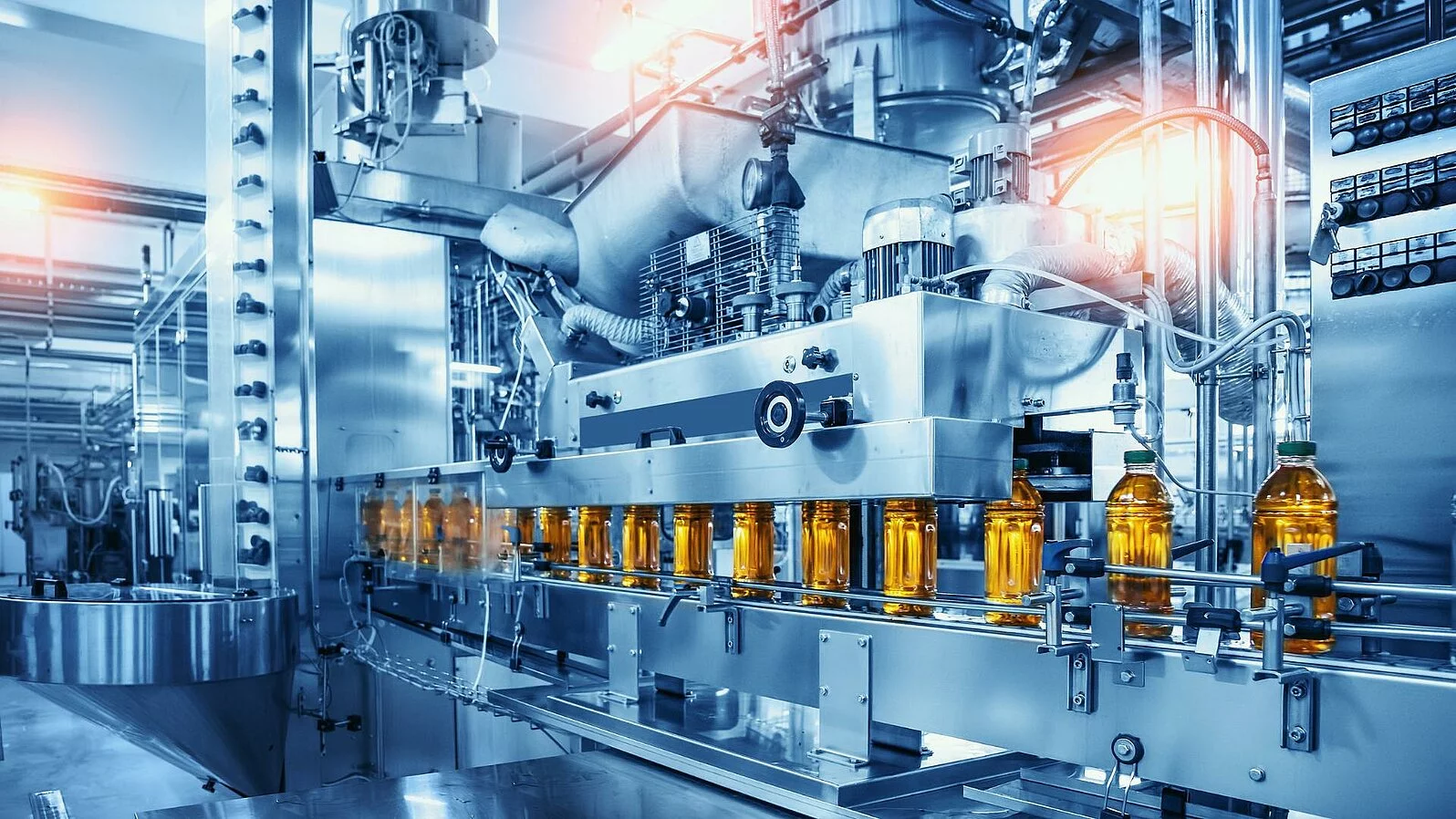 Beverage Factory
The agreement also protects domestic manufacturers. Electric Vehicles (EVs) have been excluded from initial tariff cuts, giving Indian companies time to strengthen local supply chains and scale up indigenous capabilities. Additionally, the auto component sector stands to gain as European manufacturers expand operations and sourcing within India.
ALSO READ: India’s-EU landmark FTA to spur growth, jobs, increase New Delhi's relevance
Beyond automobiles, the alcoholic beverages industry anticipates smoother, phased market access under the FTA. Anant S. Iyer, Director General of CIABC, noted that structured year-on-year tariff reductions for spirits and wine will create predictability. He added that measures such as minimum import pricing for wine have been factored in, preventing India from becoming a dumping ground for cheap imports while balancing European market demands.
Industry analysts view these sector-specific provisions as a strategic calibration. By encouraging competition, technology inflow, and foreign investment, while preserving space for domestic manufacturers, the India-EU FTA positions itself as a measured framework that balances growth and national interest.


.webp "Buddha statue")
.webp "Representational Image")