New Delhi
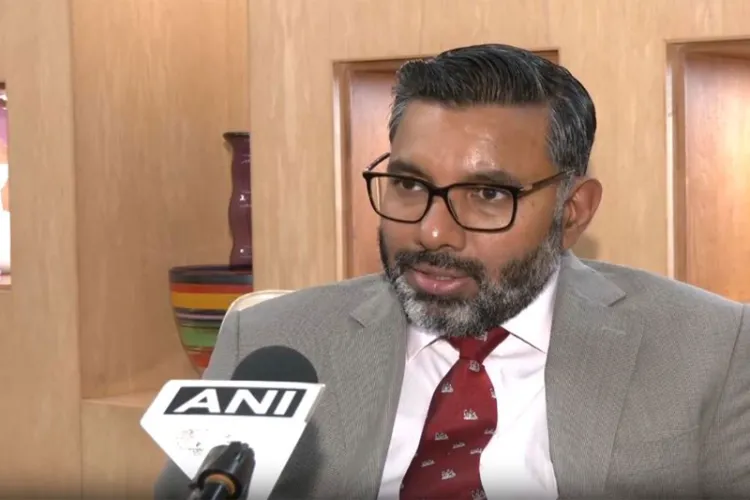
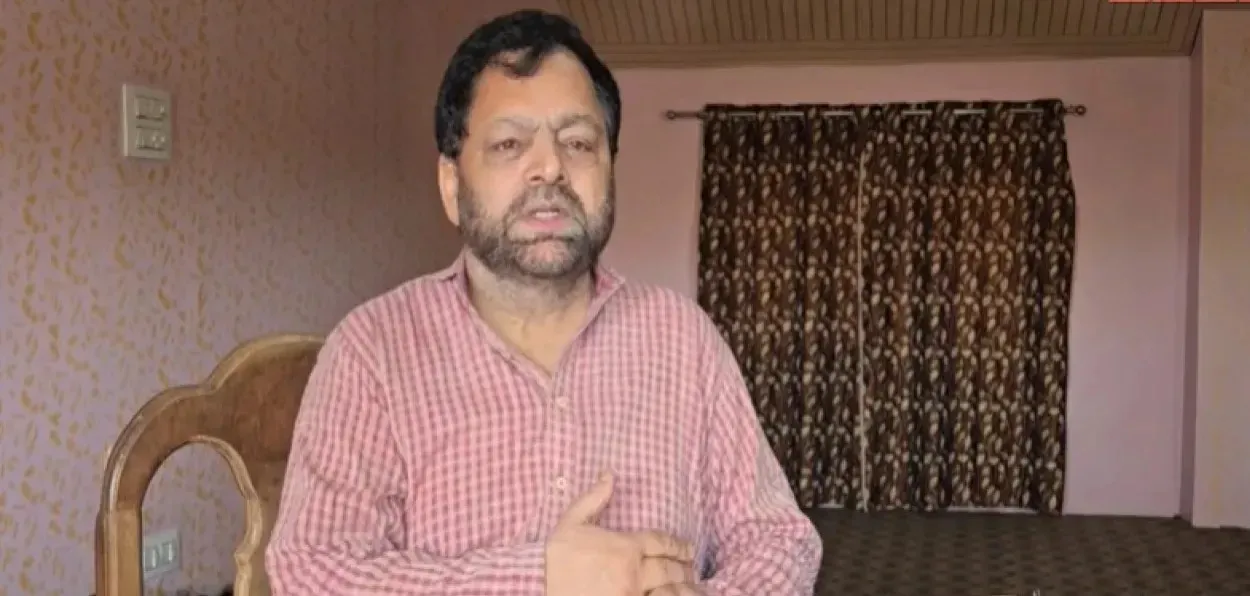
The government should focus on strengthening infrastructure at the National Company Law Tribunals (NCLTs) to improve efficiency in insolvency cases under the Insolvency and Bankruptcy Code (IBC) in the upcoming Union Budget, asserted Anoop Rawat, National Practice Head at Shardul Amarchand Mangaldas & Co.
"What we need is the strengthening of the infrastructure at the NCLTs. We need more and more benches," Rawat said in an interview with ANI, when asked what one change would make the IBC stronger immediately.
The Union Budget for 2026-27 will be tabled in the Parliament on Sunday morning.
Rawat said the IBC has significantly improved investor confidence.
He said the Government of India has always been very active in responding to the need to amend the code, occasioned by economic shifts, such as the pandemic, or by meeting creditors' and other stakeholders' expectations.
He said that, drawing on experience with the code's implementation, the government has introduced path-breaking amendments, including a new creditor-led resolution framework and provisions for cross-border insolvency.
He said these provisions, among others, are likely to further improve investor confidence and strengthen the country's rescue framework.
When asked about the biggest issue of the IBC in today's world, Rawat said delays and low recovery have been issues.
"But, frankly, delays and low recovery are usual in the stabilisation phase," he said, adding that the insolvency code has worked exceptionally well.
However, he said there are certain areas where some focus is needed and said institutional strengthening and improving bench strength are two important areas.
On whether the new IBC amendments will speed up resolutions, Rawat said, "absolutely."
He said there are many expectations from the new amendments and that they are intended to move toward a more cooperative approach rather than a potentially adversarial one.
He said the new amendments aim to involve the existing management in the resolution, provided there are initial efforts to resolve it more quickly. He said there will be phase-wise resolution processes.
"First, it will be a creditor-led resolution framework where the creditor and the debtor together will try to attempt a resolution," he said. If that fails, Rawat said it moves to the second resolution process, which is the CIR process, where the management has to give way to the insolvency professional who then carries on the process.
ALSO READ: A boy's journey from Kupwara to India’s top labs as scientist
On NCLT and NCLAT, Rawat said the number of cases reflects the state of the economy and will continue to fluctuate.
He said NCLT and NCLAT would always remain busy. Rawat said that, after the amendment, the time taken to admit cases will decrease substantially. He said the amendment is expected to be taken up in the ongoing Budget session of Parliament.















_(1).webp)