
New Delhi
India’s current account deficit (CAD) widened sequentially to USD 12.3 billion (1.3% of GDP) in Q2 FY26, up from 0.3% in Q1, driven by a sharp rise in the merchandise trade deficit despite strong services exports and remittances.
Gold imports surged nearly 150% quarter-on-quarter to USD 19 billion, while goods exports declined following higher US tariffs on Indian shipments. Overall, merchandise exports stood at USD 109 billion versus imports of USD 197 billion.
Services exports rose in double digits, with IT and business services receipts at USD 101.6 billion, and remittances reached USD 36–39 billion, partially offsetting the trade gap.
The capital account surplus fell sharply to USD 0.6 billion, reflecting weaker FDI and FPI inflows. Consequently, India’s balance of payments recorded a USD 11 billion deficit, with RBI reserves drawing down USD 10.9 billion.
ALSO READ: Syed Nawaz Miftahi illuminates the world of the blind
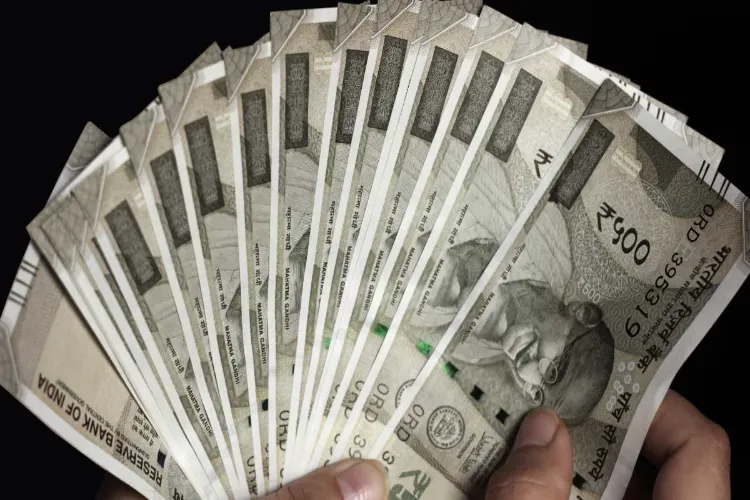
Analysts expect the rupee to remain under pressure, trading in the 88–91 range against the USD, as global headwinds, tariffs, and strong domestic demand weigh on external balances, even as services exports and remittances provide some cushion.

.webp "Union minister Pradhan")
.webp "Assam Chief Minister Himanta Biswa Sarma")
.png)










.webp)