New Delhi
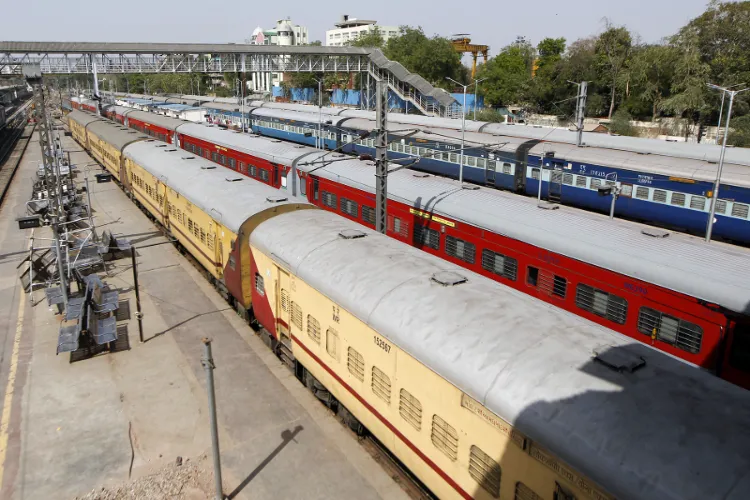
Indian Railways is entering a new phase of speed, safety, and digital connectivity, backed by the highest-ever capital outlay in its history. The Union Budget 2026-27 has allocated a record Rs 2,78,000 crore for the sector, underlining the "strategic importance accorded to rail development," according to an official release.
A big part of this vision is high-speed rail. The government has announced seven high-speed rail corridors as "growth connectors" to link major cities and regions. "These corridors are intended to integrate major cities and regions, facilitate efficient movement of people, and support economic interaction across states," the release said. Proposed routes include Mumbai-Pune, Delhi-Varanasi, and Hyderabad-Bengaluru, among others. Together, the planned corridors span nearly 4,000 kilometres.
The Mumbai-Ahmedabad High-Speed Rail Corridor is India's first concrete step in this direction. The 508-km dedicated passenger corridor is "designed for high-speed operations at a maximum speed of 320 kilometres per hour." The release noted that "these developments signal India's transition into the era of high-speed rail, setting the foundation for faster and more efficient inter-city travel."
Alongside speed, Railways is upgrading its digital backbone. An IP MPLS-based unified telecom network has been commissioned at 1,396 stations to support mission-critical apps like train radio communication, reservation systems, and video surveillance. Safety is getting a tech push too. The indigenous Kavach Automatic Train Protection System has been commissioned over 3,100 route km, "with implementation underway on an additional 24,400 kilometres." AI-enabled video surveillance now covers 1,874 stations, and real-time passenger information systems are live at 1,405 stations.
Operations remain robust, with "approximately 25,000 trains running daily" in 2025-2026. To handle the festival rush, Railways ran about 65,000 special trains till December 2025. Domestic manufacturing is also scaling up under 'Make in India', with 1,674 locomotives produced in 2025-2026, "reflecting growing self-reliance in railway production."
READ MORE: Dr Fareeda Rahmathulla is changing lives through education
Passenger experience is going digital with the RailOne App launched in July 2025, offering ticket booking, train enquiries, and grievance redressal in one place. Freight is getting faster too, with 35 Gati Shakti Cargo Terminals commissioned to improve logistics and multimodal links.
Station redevelopment is moving ahead as well. "119 railway stations redeveloped under the Amrit Bharat Station Scheme, offering modern amenities and an enhanced travel experience," the release said.









.webp "Representational Image")
.webp "Representational Image")


.webp)