New Delhi
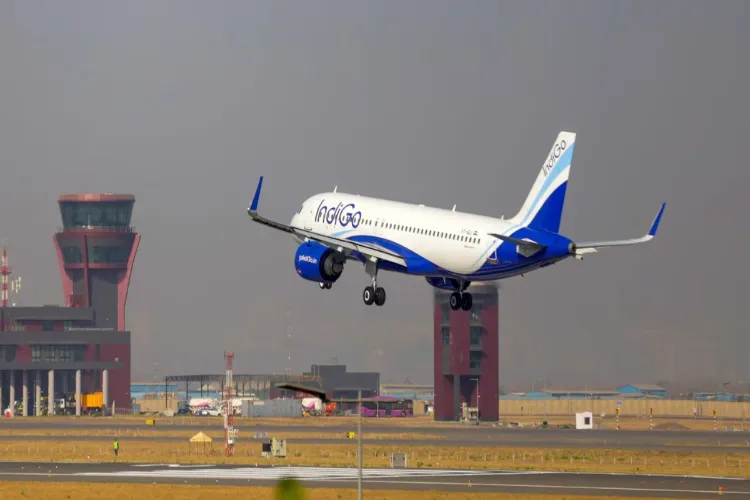
Aviation watchdog DGCA on Tuesday said sustained regulatory oversight as well as corrective measures have helped stabilise operations at IndiGo, and the airline now has an adequate number of pilots to ensure compliance with the new flight duty norms without disruptions.
Days after slapping penalties totalling Rs 22.20 crore on IndiGo for last month's massive flight disruptions, the regulator also said it was closely monitoring the airline's operations with "particular emphasis on roster integrity, crew availability, buffer adequacy, system robustness, and adherence to FDTL requirements".
The Directorate General of Civil Aviation (DGCA) said that during the review meeting on January 19, IndiGo reported adequate pilot availability against projected operational requirements after February 10.
Citing the airline's submissions, the watchdog said there are 2,400 Pilots in Command (PICs) as against the requirement for 2,280, and the number of First Officers is 2,240 compared to the requirement for 2,050.
In the wake of the massive disruptions, DGCA had curtailed the airline's winter schedule by 10 per cent until February 10.
During the meeting, IndiGo assured operational stability and no flight cancellations after February 10, 2026, based on the current approved network, above crew strength, and the removal of the two FDTL (Flight Duty Time Limitations) exemptions approved on December 6, 2025, the watchdog said in a statement.
Between December 3 and 5, the DGCA said, 2,507 flights were cancelled, and 1,852 flights were delayed, impacting over 3 lakh passengers at airports across the country.
The watchdog mentioned that the disruptions stemmed from mismanagement of adequate flight crew, inadequate regulatory preparedness at the operator level, and shortcomings in system software support, management structure, and operational control.
"The airline's planning processes did not adequately identify operational deficiencies or maintain sufficient operational buffers. There was an overriding focus on maximising utilisation of crew, aircraft, and network resources, which led to reduced roster buffer margins.
"Crew rosters were designed to operate at the limits of permissible duty periods, with increased reliance on dead-heading, tail swaps, extended duty patterns, and minimal recovery margins. This approach compromised roster integrity and operational resilience and adversely impacted the effective implementation of the revised FDTL provisions," the statement said on Tuesday.
According to the watchdog, the sustained regulatory oversight and corrective measures undertaken by IndiGo Airlines have resulted in the stabilisation of operations and improvement in service reliability.
Following the disruptions last month, DGCA had deployed its officers at IndiGo's Operations Control Centre (OCC) and at key airports. From December 6 to 30, the regulator deployed two Flight Operations Inspectors (FOIs) along with passenger facilitation personnel. These teams oversaw day-to-day operations, monitored passenger handling and ensured regulatory compliance during the recovery phase.
Certain temporary operational exceptions were permitted strictly in the public interest to stabilise the system, without compromising safety, the statement said.
To date, DGCA said IndiGo has submitted four weekly reports, three fortnightly reports, and has participated in weekly review meetings, providing updated data on all critical operational parameters.
ALSO READ: India, UAE signs deals to deepen partnership during MBZ's short Delhi visit
On January 17, DGCA announced slapping fines totalling Rs 22.20 crore for the December flight disruptions in December and had also warned CEO Pieter Elbers and two other senior executives for the lapses.
It also directed the airline to furnish a Rs 50-crore bank guarantee to ensure long-term systemic corrections.

















_(1).webp)