Ashhar Alam/New Delhi
With global immigration rules becoming increasingly unpredictable, medical aspirants today are seeking stability and security in their education abroad. The recent increase in the U.S. H-1B visa application fee to USD 100,000 in September 2025 underscores how quickly visa-dependent pathways can become uncertain. For Indian students and their families, choosing a destination that is affordable, recognised, and reliable is no longer optional, it's essential.
India’s domestic medical education system adds to the pressure. In 2025, over 22 lakh students appeared for NEET-UG, but only about 12 lakh qualified for just 1.23 lakh MBBS seats across 780 medical colleges. While government colleges are limited in number and affordable, private colleges often charge between Rs. 50 lakh and Rs. 1 crore making them inaccessible to many. For thousands of students, pursuing an MBBS abroad has become a practical necessity rather than a preference.
However, not every overseas university guarantees a valid medical career in India. According to National Medical Commission (NMC) regulations, students must complete at least 54 months at a single institution, undertake a one-year internship, study in English, and ensure the degree is NMC-recognised to be eligible for licensure and FMGE/NExT exams. Choosing a recognised university is critical for long-term career security.
Global trends highlight this shift. Between 2023 and 2024, Indian student enrolments fell 13% in the U.S., 41% in Canada, and 28% in the U.K., while countries like Germany, Russia, and the Philippines saw growing numbers. Today, more than 15,000 Indian students pursue MBBS in the Philippines annually, drawn by English-medium instruction, affordable fees, a student-friendly environment, and a reliable visa process.
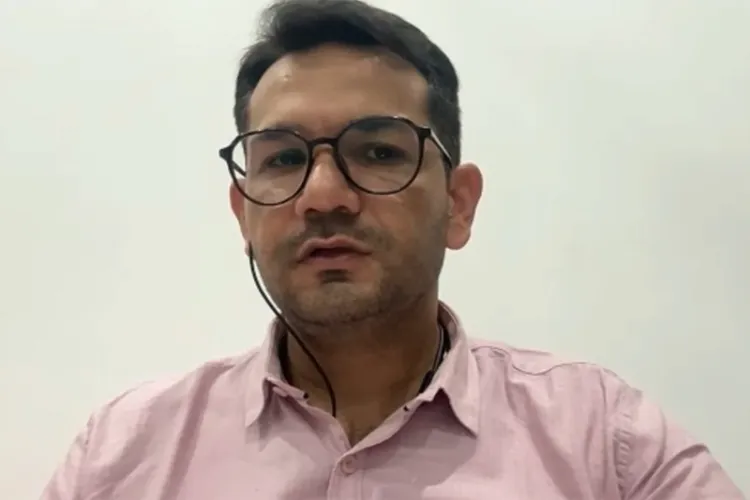
Dr. David Pillai, CEO and Founding Chairman of Transworld Educare, notes, “With immigration policies becoming more unpredictable, students must prioritise medical education pathways that are both affordable and fully recognised by Indian authorities. NMC-approved universities in countries like the Philippines allow students to focus on their studies and clinical training, without worrying about future eligibility or visa issues. A medical degree should provide clarity and continuity, not uncertainty.”

Dr. David Pillai, CEO and Founding Chairman of Transworld Educare
ALSO READ: India’s-EU landmark FTA to spur growth, jobs, increase New Delhi's relevance
The Philippines offers several unique advantages for Indian medical aspirants. Instruction is in English, the curriculum is modelled on the U.S. system, and students gain hands-on clinical experience in a tropical environment similar to India. These factors ensure that graduates are better prepared for practice back home.
For families planning medical education abroad, the path is clear: select NMC-approved universities in stable, reliable destinations like the Philippines, where affordability, recognition, and quality education make the dream of becoming a doctor achievable.










.webp "Representational Image")
.webp "Representational Image")