New Delhi
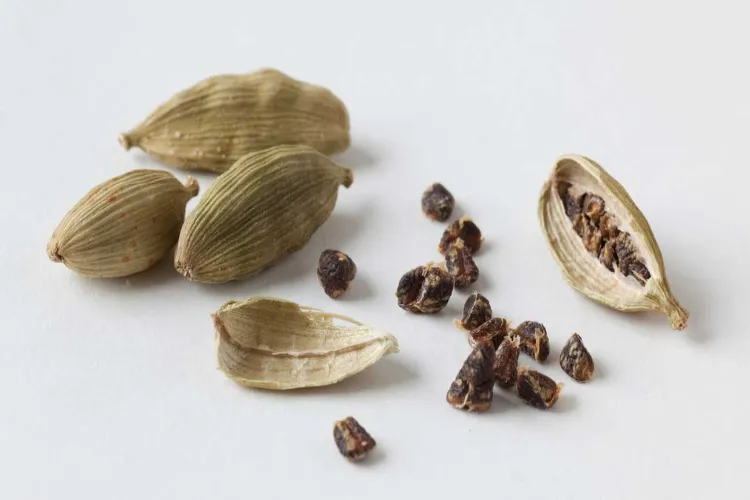
If heavy, rich meals often leave you feeling sluggish or uncomfortable, chewing a few cardamom pods after eating could help. This everyday Indian spice has long been used for post-meal comfort, not as a cure, but as a gentle digestive aid.
Cardamom isn’t just for tea, sweets, or biryani, it’s also a natural mouth freshener and digestive booster. Many Indian households have preserved the practice of chewing cardamom after meals for generations, appreciating the lightness, freshness, and digestive support it provides. Here’s why this small ritual continues to endure.
What Makes Cardamom Special
Often called the Queen of Spices, cardamom is prized for both its aroma and its digestive benefits. Packed with essential oils and antioxidants, it supports digestion and oral hygiene. According to nutritionist Rupali Datta, the spice works best in small quantities, with its effects coming from aroma and active compounds rather than bulk nutrition.
6 Benefits of Chewing Cardamom After Meals
1. Aids Digestion Naturally
Cardamom contains aromatic compounds that stimulate digestive enzymes. Ayurveda expert Dr Dhanvantri Tyagi explains that the spice’s strong aroma activates taste and sensory responses, which helps the digestive system process heavy meals more smoothly, easing bloating and indigestion.
2. Freshens Breath
Chewing cardamom is a natural way to keep your breath fresh. Its essential oils have antibacterial properties that reduce odor-causing bacteria, leaving behind a clean, pleasant aroma without the sugars found in many commercial mouth fresheners.
3. May Reduce Acidity and Indigestion
Cardamom can help balance stomach acidity, providing gentle relief after spicy or rich meals. While it is not a treatment for acid reflux, many people find it soothing when used in moderation.
4. Supports Nutrient Absorption
Good digestion is key to nutrient utilisation. Cardamom helps the digestive system function efficiently, enabling your body to make the most of the nutrients from your meals.
5. Promotes a Feeling of Lightness
Chewing cardamom after a heavy meal can help signal the end of eating, reducing sluggishness. Its aroma and warming nature can leave you feeling lighter and more comfortable.
6. Helps Control Post-Meal Cravings
Cardamom’s slightly sweet, intense flavour acts as a natural palate cleanser. This can curb the desire for desserts or sugary snacks, helping manage mindless post-meal snacking.
Green vs Black Cardamom
For post-meal chewing, green cardamom is ideal due to its light, fresh aroma. Black cardamom, with its smoky, robust flavour, is better suited for slow-cooked dishes and may be heavy on digestion.
Is It Safe to Chew Cardamom Daily?
Yes, 1–2 pods a day is generally safe for most people. Excessive consumption may cause mild nausea or discomfort, especially in those with sensitive digestion. Nutritionists recommend moderation over quantity, as small amounts are enough to enjoy its digestive benefits.
Who Should Avoid Cardamom
While cardamom suits most people, it may not be ideal for those with gallbladder issues or very sensitive stomachs. People with spice allergies, or pregnant and breastfeeding women, should use cardamom as a flavouring rather than a digestive aid.
How to Include Cardamom in Your Routine
Simply chew 1–2 green cardamom pods after meals. Enjoy the aroma, freshness, and gentle digestive support it provides without overdoing it.
READ MORE: Cricket taught me to value human talent over caste and religion
Cardamom is a simple, natural, and time-tested digestive habit. Beyond aiding digestion, it freshens breath, promotes a sense of lightness, and may even help curb post-meal cravings. When combined with a balanced diet and healthy lifestyle, this tiny spice can make a noticeable difference in post-meal comfort.
Disclaimer: This article is for informational purposes only and does not substitute professional medical advice. Awaz The Voice does not claim responsibility for this information. Always consult a qualified healthcare provider before making dietary changes.











.webp "Representational Image")




_(1).webp)