Ashhar Alam/New Delhi
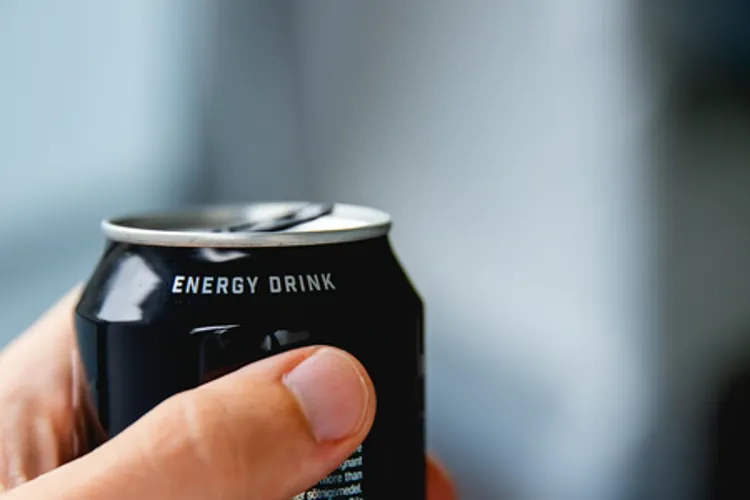
On World Liver Day, liver specialists across India have raised concern over a rising health threat among young people, excessive consumption of energy drinks, which doctors say is increasingly linked to liver damage.
Health experts report a noticeable uptick in young patients showing early signs of liver disorders, with lifestyle factors such as energy drinks, alcohol, and high-sugar beverages emerging as key contributors.
Medical research has also drawn attention to the risks. A report published in BMJ Case Reports associated heavy energy drink intake with acute hepatitis, pointing to high levels of niacin (Vitamin B3) as a potential cause of liver toxicity when consumed in excess.
Doctors caution that these drinks, often marketed as energy boosters, typically contain high caffeine, sugar, and additives that strain liver function. When combined with alcohol or unhealthy dietary habits, the risk of non-alcoholic fatty liver disease (NAFLD) rises further.
Dr Abhideep Chaudhary, president of the Liver Transplantation Society of India (LTSI), noted a steady increase in young patients with liver dysfunction. He said energy drinks, alcohol, and sugary beverages together are creating a “perfect storm” for liver health, sometimes progressing to the need for transplantation in severe cases.
Specialists also highlighted the growing trend of mixing energy drinks with alcohol, warning that it can intensify toxicity and increase the risk of liver injury and alcohol-related complications.
According to Dr Neerav Goyal, liver disease is increasingly affecting people in their 20s and 30s, a shift earlier seen mostly in older age groups. He stressed that many young consumers remain unaware of the long-term impact of such beverages.
Dr Charles Panackel added that early-stage liver disease is often reversible, but only if lifestyle-related risks are addressed in time. He pointed out a clear link between modern dietary habits and rising liver inflammation, fatty liver, and fibrosis cases.
READ MORE: Assam-born Fazlur Rahman finds cancer's link with environment
Experts across institutions have called for stronger awareness campaigns, clearer labelling of high-caffeine drinks, and lifestyle changes such as reducing processed beverage intake, avoiding alcohol-energy drink combinations, and encouraging healthier diets and regular exercise.
They emphasized that families, schools, and policymakers must work together to educate young people about the hidden risks of these popular beverages.










.webp "Representational Image")
_(1).webp "Representational Image")
.webp)