New Delhi
Autoimmune diseases are emerging as one of the fastest-growing global health challenges, driven by changing lifestyles, environmental exposures and metabolic disturbances, prompting experts from Ayurveda and modern medicine to call for greater collaboration to understand and manage these complex disorders.
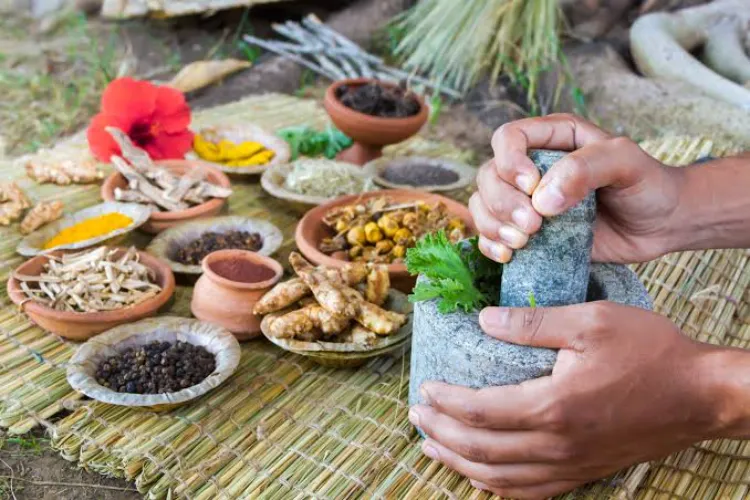
Experts said while modern medicine has made significant advances in identifying immune mechanisms, current therapies largely focus on suppressing immune responses, whereas Ayurveda seeks to restore the body's natural balance by strengthening its intrinsic disease-resisting capacity.
These issues will form the focus of Kshamatvam 2026 -- the 6th International Conference on Translational Ayurveda in Autoimmune Disorders, to be held at the Sri Dharmasthala Manjunatheshwara College of Ayurveda, Hospital and Research Centre (SDMCAH & RC), Udupi, from September 30 to October 1, with a pre-conference workshop on September 29.
The conference will bring together experts in Ayurveda, immunology and integrative medicine to explore evidence-based approaches for autoimmune diseases.
"Autoimmune diseases occur when the body's own defence system loses its ability to distinguish between self and non-self. Instead of protecting the body, it begins attacking healthy tissues, making these conditions difficult to treat," said Dr Prasanna N Rao, Director, SDM Ayurveda Institutions, SDM Education Society, Ujire, Karnataka.
He said Ayurveda explains immunity through concepts such as Vyadhikshamatva, Bala and Ojas, which emphasise maintaining the body's natural resilience rather than merely combating disease.
"The idea is not simply to suppress immunity but to understand why this imbalance develops and help restore equilibrium through personalised approaches involving diet, lifestyle, metabolism and rejuvenation therapies," Rao said.
According to Professor Prasanna N Mogasale, Department of Roga Nidana of SDM College of Ayurveda, Udupi, and organising secretary of the conference, autoimmune diseases, once considered uncommon, are now being reported with increasing frequency across all age groups.
"Irregular sleep, chronic stress, processed foods, pollution and disruption of natural biological rhythms are among the factors believed to be contributing to this growing burden," he said.
"Many patients require lifelong medication that controls symptoms but does not necessarily correct the underlying immune imbalance. This is where meaningful dialogue between Ayurveda and modern immunology becomes important," Mogasale added.
Associate Professor Arhanth Kumar A, organising secretary of the conference, said the event aims to create a scientific platform where classical Ayurvedic principles can be examined alongside contemporary biomedical research.
"The conference will feature keynote lectures, scientific sessions, paper and poster presentations, panel discussions and hands-on workshops covering research models, Panchakarma procedures, Marma Chikitsa and drug surveys related to autoimmune disorders," he said.
"The objective is to encourage evidence generation and interdisciplinary collaboration so that traditional knowledge and modern science together can contribute to better patient care," he added.
Dr Mamatha K V, Principal, SDM College of Ayurveda, Udupi, said the conference would also provide an opportunity for researchers, clinicians, postgraduate scholars and students to present original work and exchange ideas on translational research in autoimmune diseases.
Dr Nagaraj S, Academic Vice Principal, SDM College of Ayurveda, Udupi, said Ayurveda's guiding principle of preserving the health of the healthy while restoring the health of the diseased remains relevant in the context of the rising autoimmune burden.
READ MORE: Shaista Amber: A powerful voice for Muslim women’s rights
They said sustained collaboration between traditional systems of medicine and modern biomedical sciences could open new avenues for understanding immune disorders and developing safer, patient-centric treatment strategies.










.webp "Representational Image")