Ghulam Qadir
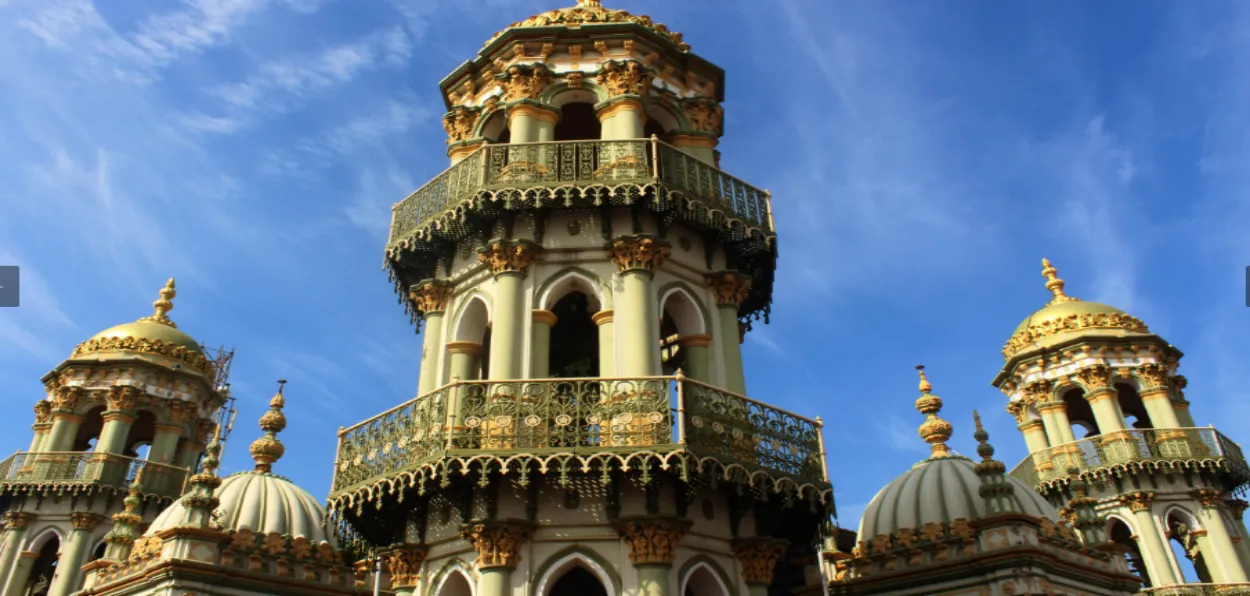
In Rander township of Durat city in Gujarat, there is an architectural marvel -- a One Pillar Mosque called "Masjid-e-Quwwat-e-Islam." This mosque upends the tradition of art associated with Muslims.
It's not just a place of worship, but a unique fusion of history, culture, and architecture.
The quarter of the city where this mosque is located was once a major commercial centre of Surat. In ancient times, local merchants traded with Africa, Arab countries, and Burma. Around 1225 AD, Arab merchants from Kufa (Iraq) settled here. With their arrival began a fusion culture, and this influence is still visible.
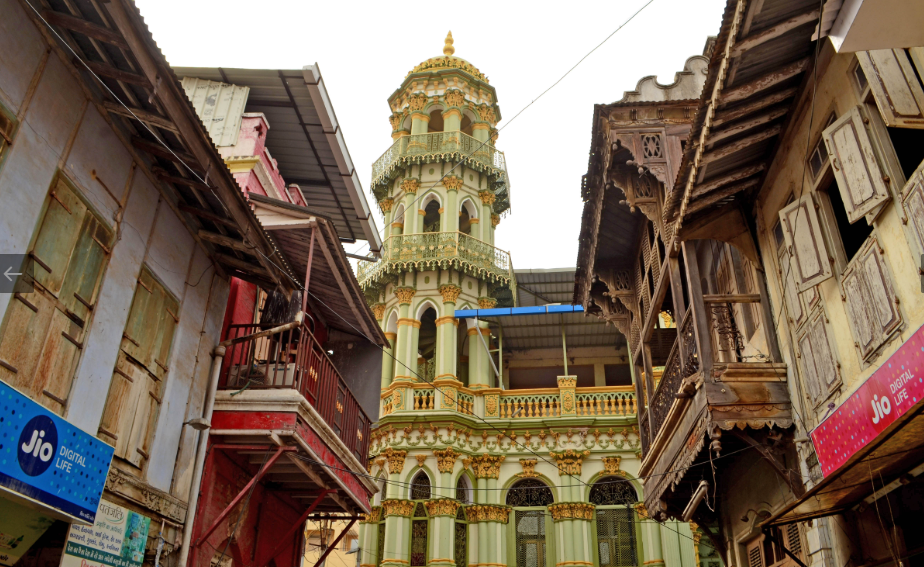
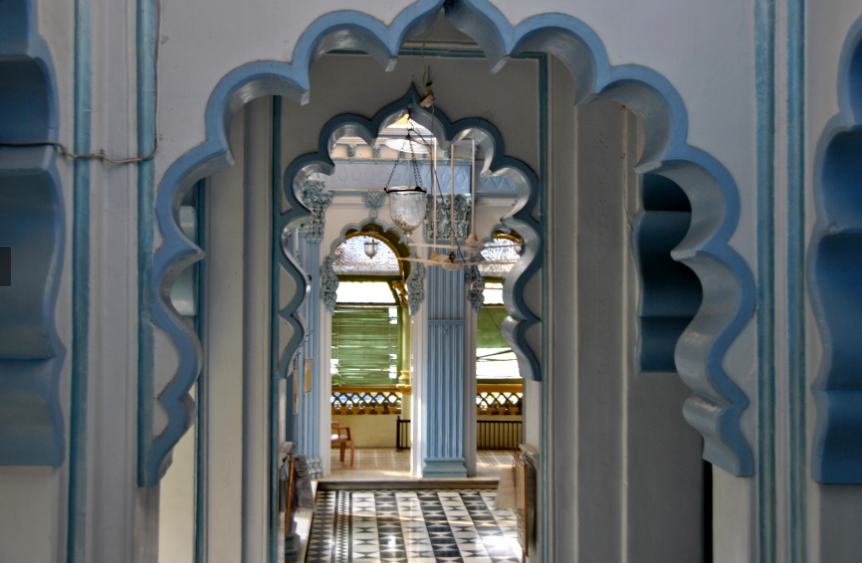
The mosque, built in the 1800s, is a blend of architectural styles. It incorporates elements of Arabic, Mughal, Portuguese, and Dutch architecture.
The most striking aspect of the mosque is its structural design. It rests entirely on a single pillar. Four arches emerge from a pillar in the basement, and three minarets stand out, each 50 feet high. The entire mosque's mezzanine and floor rest on this pillar.
Rander's historical significance extends beyond trade. The region has also been home to Jain and Parsi communities. The port of Rander predated the port of Surat. Jain merchants traded with various countries here in the 1200s. Arab merchants arrived in 1225 and established their own place of worship.
According to Dr. Surendra Vyas, a renowned architect and archaeologist from Surat, "The first mosque in Gujarat was built in Rander."
In his book, Dawn of Islamic Architecture in Gujarat, Dr Vyas states that approximately 1,300 years ago, two Arab traders came to Rander and built only a qibla (Facing towards Macca) wall. It had no minaret or a hauz-e-wuzu Tank for ablution). All the traders would gather in front of this wall and worship Allah. The graves of these two traders, inscribed with Arabic inscriptions, still stand in a nearby cemetery.
This mosque is also important in the folk life of Rander. Walking through it one can see glimpses of the ancient trading lifestyle. There are also Jain temples in the mosque and surrounding settlements, demonstrating that Rander has been a melting pot of religions and cultures.
According to Dr. Vyas, the study of over 70 mosques and buildings in Gujarat spanned three years. brought out details of the architectural techniques and art of the Rander mosque.
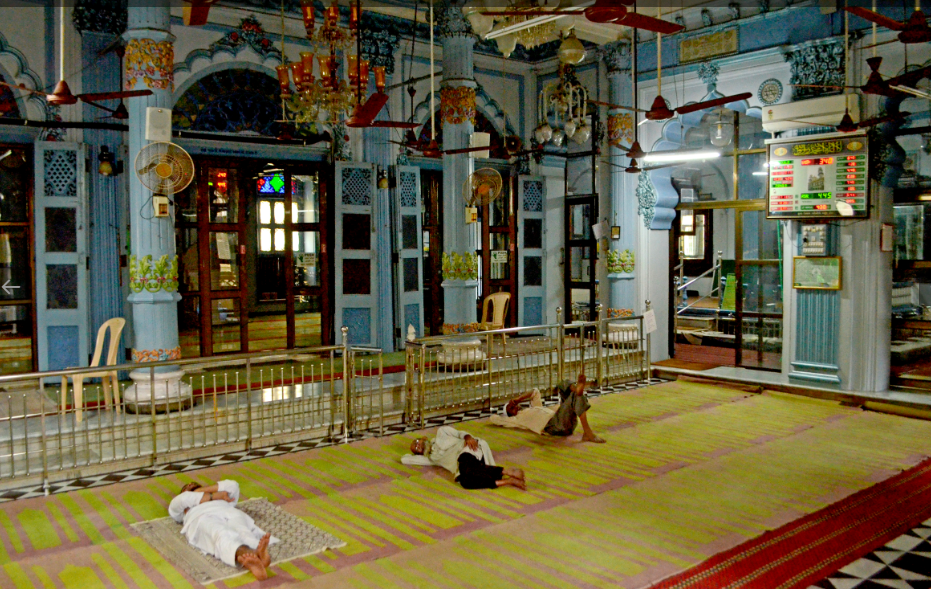
The mosque's western wall, called the Qibla wall, faces the direction of Mecca. This wall remains an important part of the mosque's design. Initially, there were no set times for prayer. People gathered by standing on high mounds or using booms. Later, the call to prayer began to be made from a minaret, and people began to pray at set times.
This single-pillar mosque design is significant not only for its architecture but also for its social and commercial history. It demonstrates how organised and modern the people of Rander were. Supporting such a massive structure on a single pillar is a unique architectural achievement.
Walking through the streets of Rander, you realise that it was not only a place of worship but also a cultural centre.
Traders from various countries visited here and conducted trade as well as religious rituals. Thus, the mosque strengthened Rander not only religiously but also socially and economically.
The streets surrounding the mosque are filled with stories of history. Rander's port and trade activities remain important from a tourism and cultural perspective. Arab traders mingled with local society, sharing their art, culture, and trading experiences with the local community. As a result, mosques, temples, and other architectural structures can be seen in Rander today.
According to Dr Vyas, "There is an interesting reason behind the absence of a minaret at Rander. It is possible that this mosque was built as a private place of worship, so facilities like a hauz-e-wuzu and a minaret were not required. Water was available due to the presence of a pond or lake nearby."
ALSO READ: Sarah Rizvi: The first Muslim woman IPS officer of Gujarat cadre
From a modern perspective, this mosque is nothing short of a miracle. Standing on a single pillar for so long, it amazes every visitor.