




.webp "Representational Image")
New Delhi
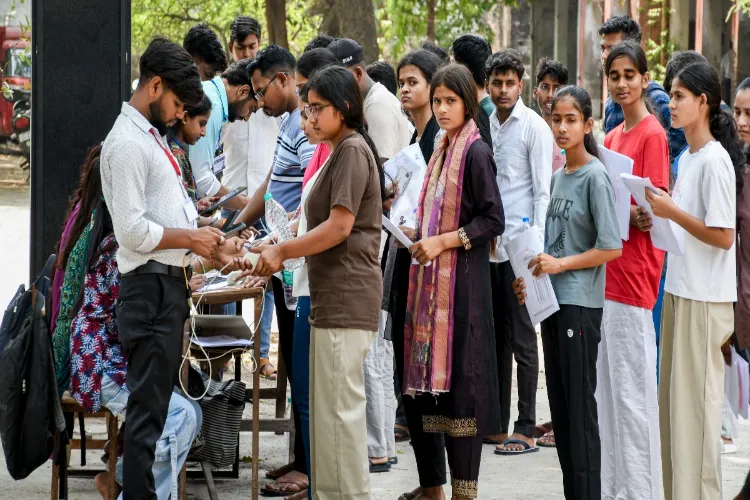
Amid growing concerns over cyber fraud and cases involving impersonation by fake officials, authorities have introduced a QR code-based verification system for personnel engaged in Census 2027 door-to-door data collection in the national capital.
The new mechanism has been put in place to make the household enumeration process in areas under the Municipal Corporation of Delhi, scheduled to begin on May 16, more secure and transparent.
Officials from the Office of the Registrar General and Census Commissioner of India said every enumerator and supervisor deployed for the exercise will carry an official appointment letter as well as an identity card issued by the designated charge officer. Both documents will feature embedded QR codes that residents can scan to confirm the authenticity of the visiting officials.
According to officials, households that have any doubts regarding the identity of field staff can inspect these documents and use the QR codes for instant verification before sharing any information.
The move comes against the backdrop of a rise in cybercrime incidents across the country, including scams in which fraudsters impersonate government officials, law enforcement personnel, or other authorities using forged documents and fake digital verification requests. Officials noted that recent “digital arrest” scams and fake census-related messages circulating online had heightened public concern about identity-based fraud.
Officials also shared progress figures from the ongoing self-enumeration phase, stating that 93,521 self-enumeration attempts were recorded on Monday. Of these, 77,372 were successfully completed, while 16,149 remained in progress, taking the completion rate to 82.73 per cent. Most of these entries, officials said, came from residents of North East, South West, and North West districts of New Delhi.
Authorities further explained that households unable to geo-tag their exact location can mark a nearby spot instead. In such instances, the assigned enumerator will download the digital map of the relevant House Listing Block (HLB), along with all linked self-enumeration IDs, for verification during physical visits.
During the House Listing Operations, enumerators will ask residents to share their self-enumeration IDs and cross-check them against the households mapped within the designated HLB. If an ID does not match any listed property in that block, the household information will be collected again through direct field enumeration.
READ MORE: Syed Tanveer Nasrin: Ambassador of culture, women rights and harmony
To strengthen monitoring, officials said one supervisor will oversee the house listing process across every six HLBs. They expressed confidence that the multi-layered verification framework would not only improve operational accuracy but also help build public trust in the census process at a time when concerns over digital fraud remain high.















.webp)
