New Delhi
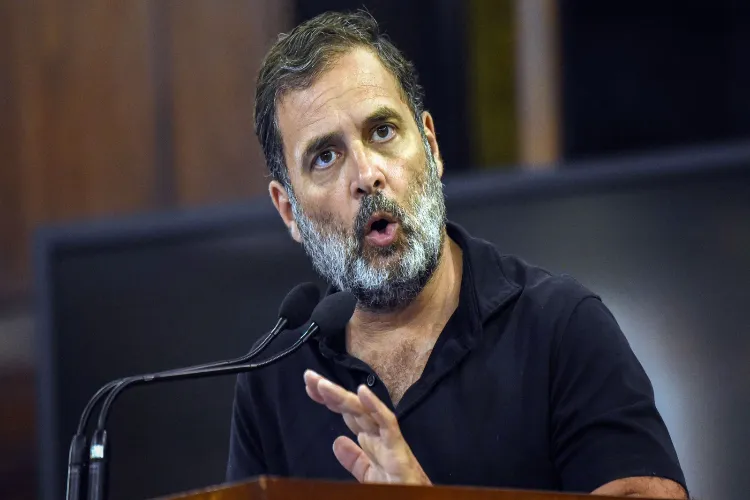
A day after the US Supreme Court struck down former US president Donald Trump’s global tariff regime, the Congress on Saturday launched a sharp attack on the Centre over the India–US interim trade arrangement, with party leader Rahul Gandhi accusing Prime Minister Narendra Modi of being “compromised”.
Gandhi said the trade framework exposed what he called the prime minister’s “betrayal” of national interests, alleging that the agreement reflected desperation and repeated surrender. In a post on X, he claimed the PM would be unable to renegotiate the deal and would “give in again”.
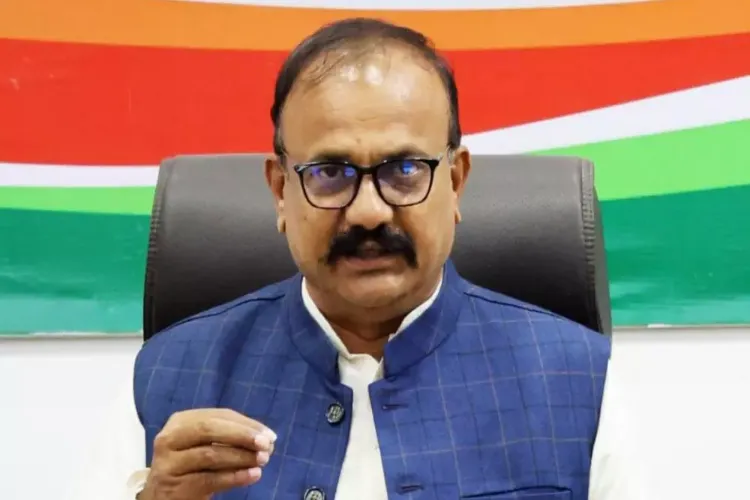
Echoing the criticism, Congress general secretary (communications) Jairam Ramesh argued that the situation could have been avoided had the government waited a little longer. He claimed that a delay of just a few weeks would have spared Indian farmers distress and safeguarded the country’s sovereignty. Ramesh also referred to Trump’s public remarks following the court verdict, including his assertion that the trade deal with India would continue and his claim that he had used tariff threats to influence India’s actions during “Operation Sindoor” in May 2025.
Ramesh questioned the circumstances under which the agreement was announced on February 2, suggesting that domestic political pressures had prompted the prime minister to seek a hurried declaration from Washington to divert attention. According to him, the deal had turned into an “ordeal” imposed on the country.
Congress general secretary Randeep Surjewala raised further objections after the apex US court invalidated Trump’s authority to impose tariffs under the International Emergency Economic Powers Act. He pointed out that the US president had since invoked provisions of the Trade Act, 1974, to levy a temporary 10 per cent import surcharge, and asked whether such measures were sustainable or legally applicable to India. Surjewala also questioned whether the Modi government would reconsider what he described as a one-sided trade framework, which he said was being opposed by farmers, small businesses and experts across sectors.
He further sought clarity on whether the government would protect domestic agriculture, manufacturing, energy security and data sovereignty, including by reviewing commitments on large-scale imports and non-tariff barriers.
The Supreme Court ruling, delivered by a 6–3 majority in an opinion authored by Chief Justice John Roberts, held that the sweeping tariffs imposed by Trump exceeded presidential authority. Despite the setback, Trump has maintained that there would be no change to the India trade arrangement, reiterating his praise for Modi and claiming the revised deal was now “fair”, with India paying tariffs while the US does not.
READ MORE: Assam's Taekwondo wonderkid Omar Faruk fought disability
Earlier this month, the two countries had announced a framework for an interim trade agreement, under which Washington agreed to reduce reciprocal tariffs on India from 25 per cent to 18 per cent, alongside other commitments linked to energy imports.











.webp "UK Minister for AI and Online Safety Kanishka Narayan")