New Delhi
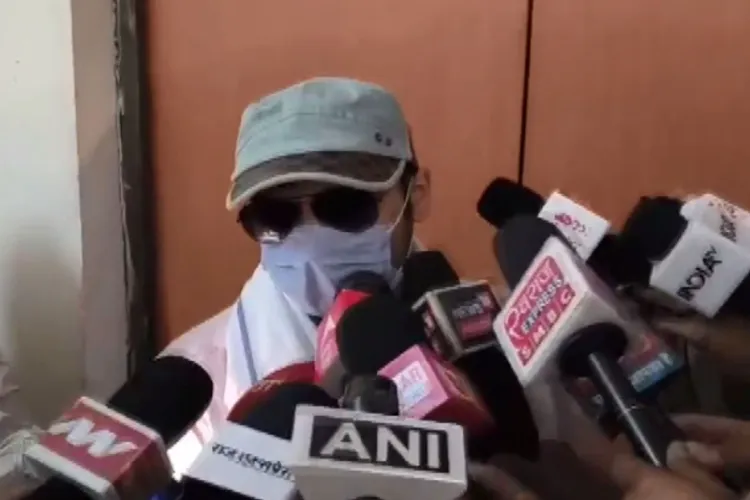
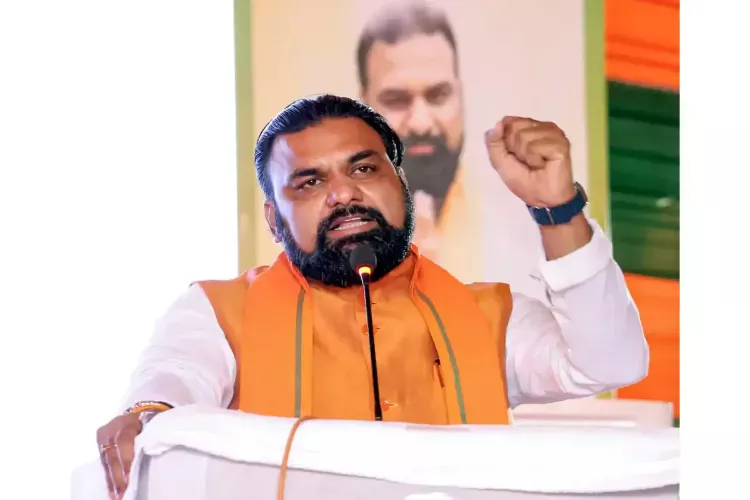
Akhil Bharatiya Vanvasi Kalyan Ashram president Satyendra Singh has called for a constitutional amendment to prevent religious conversions among tribal communities and sought the removal of converted tribals from the Scheduled Tribe (ST) category.
In an interview with PTI Videos, Singh claimed that religious conversions, particularly to Christianity and Islam, have caused social divisions and conflicts in tribal regions across the country.
He said the solution lies in amending Article 342 of the Constitution so that tribals who convert to Christianity, Islam or other non-Hindu faiths no longer receive ST reservation benefits, similar to provisions under Article 341 applicable to Scheduled Castes.
Singh said the RSS-affiliated organisation primarily works in areas such as education, healthcare, self-reliance and cultural awareness, but established the Janjati Suraksha Manch in Raipur in 2006 to pursue the issue of “delisting” converted tribals from the ST category.
According to him, conversions have weakened social unity within tribal communities.
“Our own people gradually became disconnected from each other. One brother became Christian while another remained Hindu, leading to divisions within families and communities,” he said.
Referring to the organisation’s founder Balasaheb Deshpande, Singh said he had anticipated that social service efforts would eventually have to be accompanied by ideological and organisational struggles against conversions.
Singh also acknowledged that discrimination and caste divisions within Hindu society contributed to religious conversions.
“There were shortcomings within our own society. People needed greater inclusion and affection,” he said.
At the same time, he alleged that missionary activity expanded during British rule through education and welfare work and claimed that inducements also played a role in conversions.
He said regions such as the Northeast, Jharkhand, Chhattisgarh, Andhra Pradesh, Telangana and Kerala witnessed significant religious conversion activity.
Singh also referred to the earlier demand for a “Greater Jharkhand” comprising parts of Bihar, Chhattisgarh and West Bengal, alleging it was linked to attempts to create a Christian-majority region in central India.
Discussing the “delisting” demand, Singh cited former Congress MP Kartik Oraon, claiming he had raised concerns in Parliament over converted tribals continuing to receive reservation benefits.
According to Singh, Oraon believed that those who had moved away from tribal traditions and culture through conversion should not continue availing reservation benefits meant for indigenous communities.
He further claimed that a joint committee formed in 1969 had recommended that tribals who converted to Christianity or Islam should no longer receive ST reservation benefits, but the proposal did not progress after Parliament was dissolved in 1970.
Singh alleged that political pressure and concerns within Christian groups stalled the proposal.
He also claimed that leaders such as B. R. Ambedkar and Jagjivan Ram had protected their respective communities from conversion pressures, whereas tribal communities lacked similar leadership figures apart from Kartik Oraon.
“As a result, tribal reservation continued to remain linked to tribe rather than religion. According to us, that was a flaw,” Singh said.
READ MORE: Who clicked the first picture of Holy Kabba?
He added that the Janjati Suraksha Manch continues to campaign on the issue as the organisation views religious conversion as a threat to national unity.