New Delhi
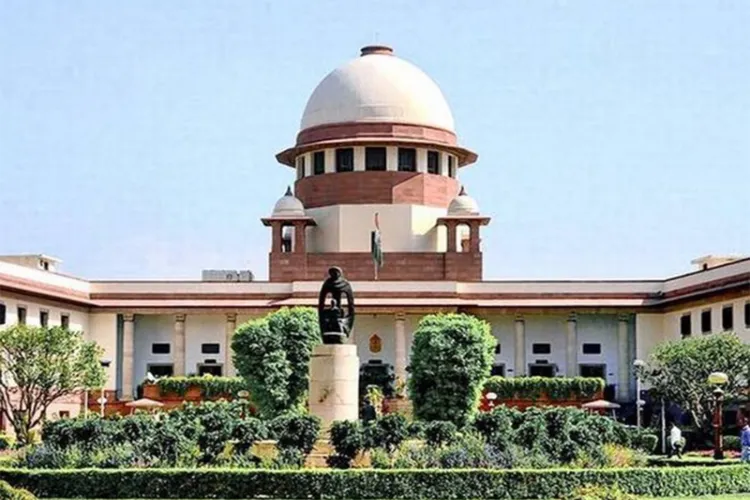
The Supreme Court of India on Thursday clarified that courts can proceed with trials, appeals or other proceedings involving sedition charges under Section 124A of the IPC if the accused has no objection.
The observation came from a bench headed by Chief Justice Surya Kant while hearing a plea by an accused who has reportedly spent 17 years in jail in a sedition-related case. His appeal is currently pending before the Madhya Pradesh High Court.
The bench, also comprising Justices Joymalya Bagchi and Vipul M Pancholi, said there would be “no impediment” to courts deciding such matters on merit where the accused consents to proceedings continuing despite the sedition charge.
The apex court directed the Madhya Pradesh High Court to hear and decide the petitioner’s appeal in accordance with law.
The clarification comes against the backdrop of the Supreme Court’s landmark May 11, 2022 order that effectively put the sedition law on hold pending the Centre’s review of the colonial-era provision. The court had then directed governments not to register fresh sedition cases and ordered ongoing investigations and trials under Section 124A to remain in abeyance.
The offence of sedition, incorporated into the IPC in 1890 during British rule, has faced sustained criticism for allegedly being used to curb dissent and free expression. Freedom fighters including Mahatma Gandhi and Bal Gangadhar Tilak had faced prosecution under the provision during the colonial era.
READ MORE: Pune: Mujtaba Lokhandwala transforms housing society lawns into science Labs
Petitions challenging the constitutional validity of the sedition law have been filed by organisations and individuals including the Editors Guild of India, S G Vombatkere, Arun Shourie and the People’s Union for Civil Liberties.