




New Delhi
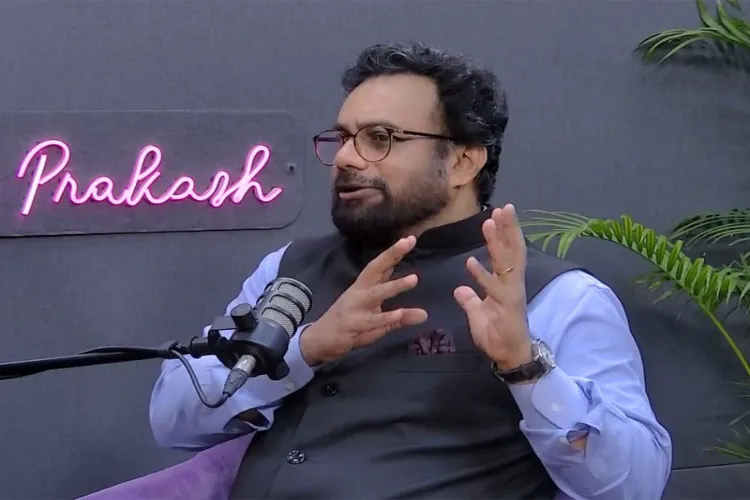
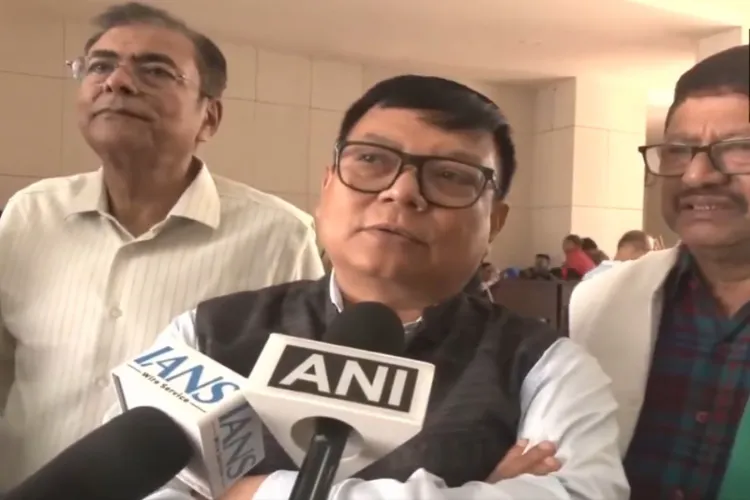
John Brittas, a Member of Parliament from the Communist Party of India-Marxist, on Tuesday alleged that several leaders within the Bharatiya Janata Party are dissatisfied with the recently announced Interim Trade Agreement between India and the United States. He further claimed that the Centre had acted in line with American pressure while finalising the arrangement.
In an interview with ANI, Brittas criticised the functioning of Parliament, accusing the treasury benches of contributing to repeated disruptions and extended deadlocks. He argued that the government was intent on controlling both the direction and the outcome of debates.
Brittas contended that the structure of the trade framework departs from established principles governing agreements between developed and developing nations. Traditionally, he said, emerging economies have been allowed to retain certain protective barriers to nurture domestic industries, while advanced economies offered concessions. According to him, the present arrangement reverses that approach, with India agreeing to significantly lower or eliminate tariffs while the United States retains an 18 per cent reciprocal tariff on several Indian goods. He questioned whether the BJP, if in opposition, would have allowed Parliament to function smoothly after what he described as a “lopsided” pact.
Earlier this month, India and the United States unveiled a framework for an Interim Agreement aimed at reciprocal and mutually beneficial trade. The understanding also reaffirmed their commitment to negotiating a broader US-India Bilateral Trade Agreement (BTA), initiated by US President Donald Trump and Prime Minister Narendra Modi on February 13, 2025. The proposed BTA is expected to include expanded market access and measures to strengthen supply chains.
As per the joint statement, India will cut or remove duties on US industrial products and a range of agricultural items, including dried distillers’ grains, red sorghum used for animal feed, tree nuts, fruits, soybean oil, wine and spirits, among others. The United States, meanwhile, will impose an 18 per cent reciprocal tariff under relevant executive orders on certain Indian exports such as textiles, leather goods, plastics, chemicals, home decor and selected machinery. However, it has indicated that, subject to the successful completion of the Interim Agreement, reciprocal tariffs may be lifted on products listed under a separate annex, including generic medicines, gems and diamonds, and aircraft components.
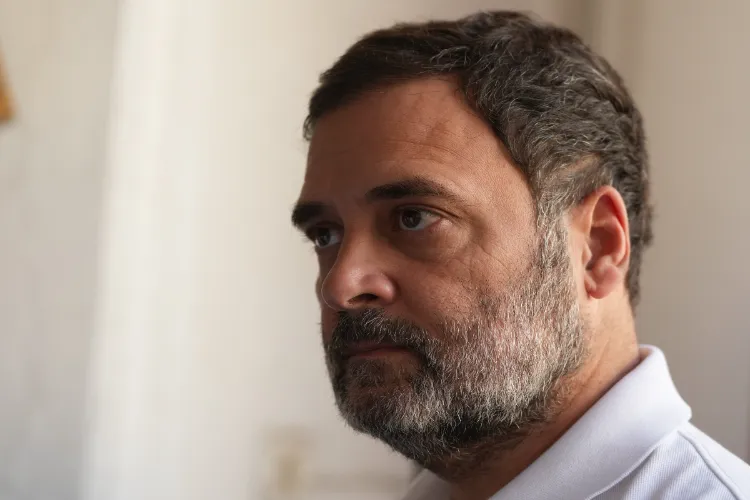
Brittas also weighed in on the controversy surrounding Congress leader Rahul Gandhi seeking to raise references from an unpublished book by former Army Chief N N Naravane. He said there was no reason to block discussion on the matter and expressed dissatisfaction with the overall functioning of Parliament.
According to him, ensuring smooth proceedings is primarily the responsibility of the government. While acknowledging that the opposition may face criticism for its conduct, he argued that the ruling side should not resist debates on contentious issues. He questioned why subjects such as Manipur or other sensitive matters could not be openly discussed.
READ MORE: Assam doctor gets national award for blood donation awareness
The first phase of Parliament’s Budget Session ended on February 13, with the second phase scheduled to begin on March 9. Both the Lok Sabha and the Rajya Sabha witnessed repeated disruptions, particularly over Gandhi’s attempt to raise issues linked to Naravane’s unpublished manuscript.






.webp)