Balochistan
Religious scholars on Wednesday asserted that violence offers no solution to Balochistan’s deepening crisis, urging the state and aggrieved stakeholders to resolve disputes through dialogue and constitutional means.
The remarks were made at a joint press conference after a seminar titled “Restoring Peace in Balochistan and Confidence-Building: The Institutional Responsibilities of Ulema and Mashaykh”, according to Dawn.
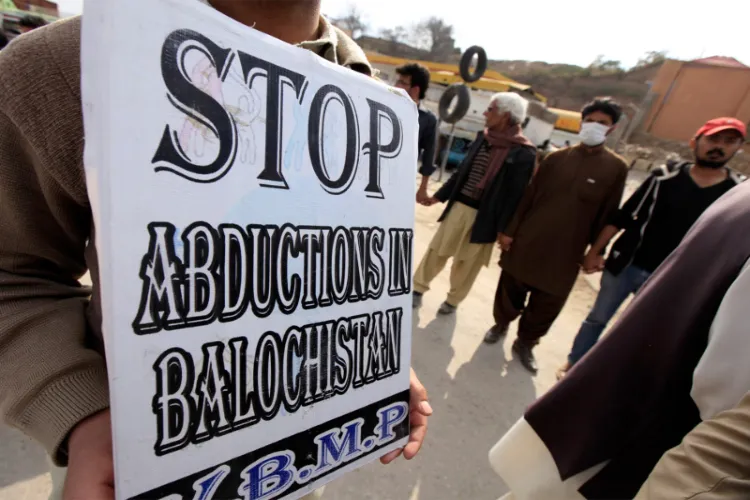
Prominent clerics, including Maulana Dr Ata ur Rehman, Allama Muhammad Juma Asadi, Maulana Anwar-ul-Haq Haqqani and Qari Abdul Rehman Noorzai, said sustainable peace hinges on justice, reconciliation and mediation rather than coercion. They called on the government to ensure transparent investigations into all cases of enforced disappearances, demanding open trials for those found guilty and immediate release of innocent detainees.
Warning that Balochistan stands at a decisive crossroads, the scholars said one path leads to deeper alienation while the other lies in a constitutional struggle for rights and dignity. They traced the roots of the current turmoil to the 2006 killing of Nawab Akbar Bugti, describing it as a turning point whose repercussions continue to destabilise the province.
Highlighting widespread frustration among the youth, the clerics called for greater economic inclusion. They urged authorities to prioritise local employment and ensure a meaningful share for residents in the development of Gwadar, projects under the China-Pakistan Economic Corridor, and mining ventures. A substantial portion of revenue generated from provincial resources, they said, must be channelled into local welfare and infrastructure.
The scholars also alleged that foreign elements exploit internal grievances to foment division and undermine regional stability across Pakistan, Afghanistan and Iran.
Among the recommendations emerging from the seminar were transparent provincial elections, expansion of technical and vocational education, regulation of border trade, elimination of drug and trawler mafias, empowerment of the Human Rights Commission, and the formation of a reconciliation council comprising respected ulema and community leaders.
READ MORE: Ramzan and Lent begin the same day signaling unity of religions
Reaffirming their commitment, the clerics said Balochistan’s religious leadership stands ready to shoulder responsibility for peace-building, stressing that dialogue and justice remain the only viable path forward, Dawn reported.