New Delhi
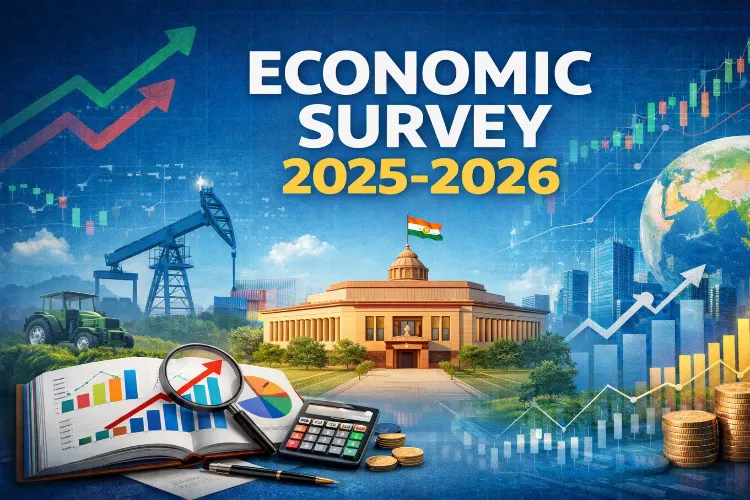
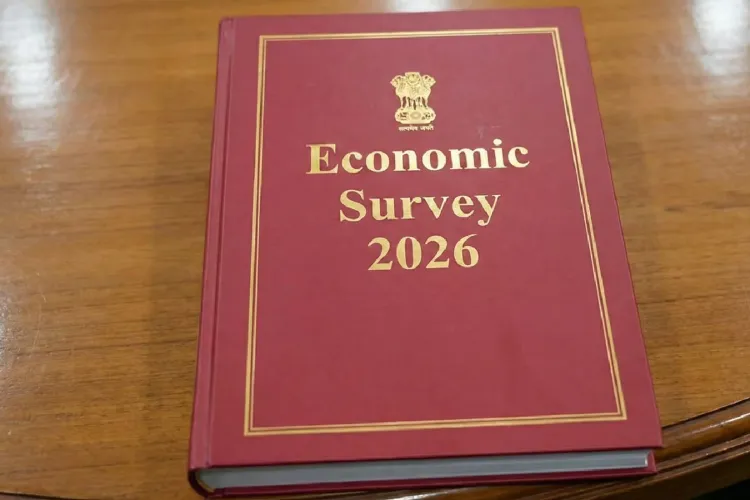
The Economic Survey 2025-26 on Thursday called for a re-examination of the nearly two-decade-old Right to Information (RTI) Act, suggesting exemptions for confidential reports, draft notes, and deliberative documents to avoid constraining governance.
The Survey emphasised that the RTI Act was never intended to satisfy idle curiosity or micro-manage government operations. Its primary purpose is to promote transparency, accountability, and citizen participation in decision-making.
“Nearly two decades on, the RTI Act may need re-examination, not to dilute its spirit, but to align it with global best practices, incorporate evolving lessons, and keep it firmly anchored to its original intent,” the Survey noted.
It suggested that exemptions could include internal brainstorming notes, working papers, draft comments, and certain service or staff records. A narrowly defined ministerial veto, subject to parliamentary oversight, was also cited as a potential measure to protect sensitive deliberations.
The Survey pointed to global practices, noting that countries such as the US, UK, Sweden, and South Africa provide broader carve-outs for internal discussions, policy deliberations, and administrative matters. In contrast, India’s RTI law is expansive, allowing file notings, internal opinions, and draft notes to fall under disclosure, sometimes even where public interest is minimal.
“The candour needed for effective governance is blunted if every draft or remark may be disclosed. Democracy functions best when officials can deliberate freely and are then held accountable for the decisions they endorse, not every half-formed thought,” the Survey said.
ALSO READ: I received my wages for hard work of decades: Ghafruddin on Padma Shri
The document underlined that balancing openness and candid deliberation is key to keeping the RTI Act true to its original purpose.