Bhopal
The ongoing West Asia conflict is beginning to impact fertiliser availability in India, raising concerns over farm output and potential food price inflation.
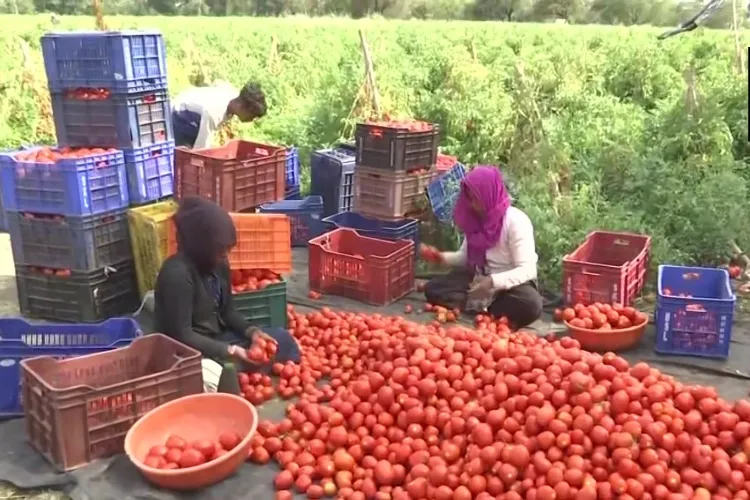
Farmers in Bhopal and nearby regions have urged the government to ensure adequate supplies ahead of upcoming sowing seasons, warning that shortages and black marketing could worsen if disruptions persist.
Kapil Patidar, a local farmer, said that during the previous Rabi season, many cultivators were unable to procure Diammonium Phosphate (DAP) and had to rely on alternatives like NPK fertilisers, often purchased at inflated prices in the black market. “Fertiliser has become as precious as gold,” he remarked.
Other farmers echoed similar concerns, noting that prolonged conflict could deepen shortages. “If this situation continues, fertiliser availability will worsen, especially with the paddy sowing season approaching,” said Kailash Narayan Patidar.
Experts attribute the disruption to supply chain bottlenecks linked to the crisis. Yogesh Dwivedi noted that while India has built some buffer stocks, shipments of fertilisers are being delayed as priority is currently being given to LPG cargo. A key concern remains the disruption of shipping routes through the Strait of Hormuz, a critical corridor for global energy and raw material supplies.
Prices have already started rising, with urea costs increasing from about $450 to $600 per metric tonne, while DAP prices have also gone up.
India depends heavily on imports not just for fertilisers but also for key raw materials sourced from Gulf countries such as Oman, Saudi Arabia, and Qatar, making the sector vulnerable to geopolitical shocks.
A report by Crisil Ratings estimates that supply disruptions could reduce domestic fertiliser production by 10–15 per cent and increase the government’s subsidy burden by ₹20,000–25,000 crore.
READ MORE: How a Madrasa student discovered shared legacy of Ram at Ayodhya
While the immediate impact may be limited, analysts warn that prolonged disruptions could affect crop yields, push up food prices, and strain farm incomes in the months ahead.
.gif)