New Delhi
The Federation of Indian Pilots (FIP) has issued a stern call to action to aviation authorities, demanding an immediate end to airline exemptions and the full rollout of updated flight safety standards following a series of sudden pilot deaths.
FIP highlighted six pilot deaths occurring during duty cycles between November 2023 and September 2026, including a recent Air India captain's death during training in Delhi and a fatal cardiac arrest during a Bali layover.
The federation urged the Directorate General of Civil Aviation (DGCA) to immediately revoke all operator-specific Flight Duty Time Limitations (FDTL) dispensations, warning that temporary variations have degraded into permanent safety risks.
"While FIP does not seek to establish any direct causal link between fatigue and the individual fatalities referred to in the representation, we believe that these events warrant an urgent and comprehensive review of fatigue exposure, rostering practices, recovery opportunities, medical surveillance, and FRMS effectiveness across Indian aviation operations," the letter stated.
FIP requested the creation of a National Fatigue Risk Management System (FRMS) Oversight Programme bringing together sleep scientists, medical experts, pilot bodies, and regulators.
"The objective of FDTL regulations is not merely regulatory compliance but the prevention of cumulative fatigue and the preservation of pilot fitness for duty... FIP is concerned that repeated operator-specific variations and deferred implementation of certain provisions may reduce the effectiveness of the intended fatigue mitigation framework," the letter read.
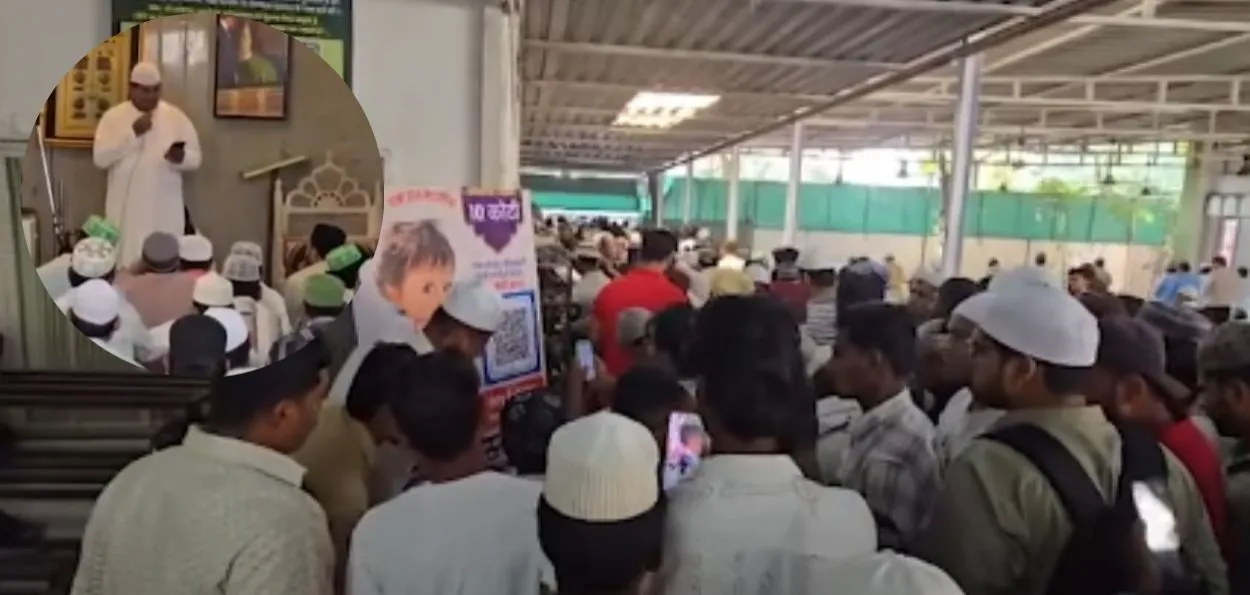
READ MORE:Pune mosque offers prayers and raises funds for toddler Gargi's treatment
Recommendations include mandatory quarterly fatigue reporting from airlines, independent medical trend reviews, and formal pilot representation in future safety policy discussions.
Copies of the urgent representation were sent directly to the Ministry of Civil Aviation, the Prime Minister’s Office, the AAIB, and the Parliamentary Standing Committee.



.webp "Union Home Minister Amit Shah")






_(1).webp)