




Colombo
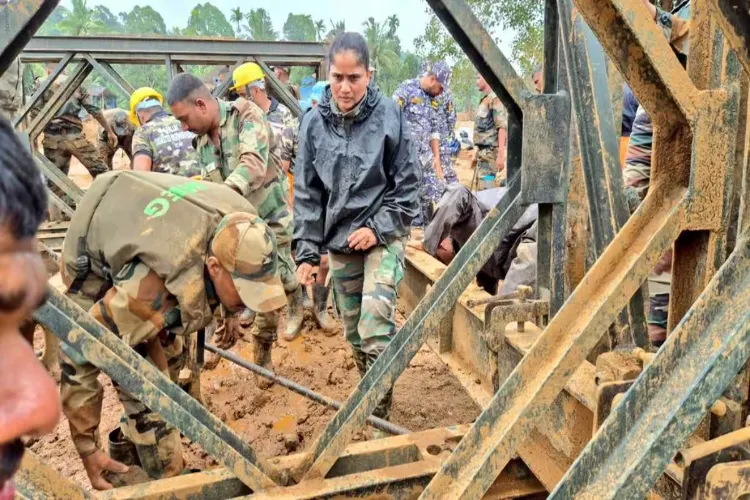
India has delivered a Bailey bridge and several hundred water-purification units to Sri Lanka as part of its ongoing relief mission to support communities battered by Cyclone Ditwah.
The cyclone has caused widespread destruction, triggering large-scale floods and landslides that severely damaged infrastructure and cut off multiple districts from essential services. According to official figures as of Wednesday evening, the disaster has claimed at least 479 lives, while around 350 people are still missing after the extreme weather that began on November 16.
An Indian Air Force aircraft touched down on Wednesday with the prefabricated Bailey bridge and 500 water-purification systems to help restore connectivity and provide access to safe drinking water in the affected areas.
“Bridging gaps and restoring hope under Operation Sagar Bandhu. A C-17 has flown in a Bailey Bridge along with 500 water purification units, paving the way for reconnecting isolated communities and ensuring access to safe drinking water,” the Indian High Commission wrote on social media on Thursday.
Cooperation between the two neighbours has also expanded to the digital level. In an online session held on Wednesday, Bhaskar Katamneni, Secretary of Real-Time Governance from Andhra Pradesh, shared a digital disaster-management toolkit highlighting best practices with Hans Wijayasuriya, Chief Advisor to the Sri Lankan President on Digital Economy, and his GovTech team.
New Delhi has been continuously extending humanitarian assistance to Colombo through Operation Sagar Bandhu, leveraging coordinated air, sea and ground efforts to supply urgent relief.
Sri Lankan President Anura Kumara Dissanayake thanked Prime Minister Narendra Modi on social media, noting that India’s swift support under the SAGAR-BANDHU initiative reflects the strong ties and long-standing goodwill between the two countries.
READ MORE: When neighbours saved my family and firmed my faith in inclusive India
The Sri Lankan government estimates the cyclone’s economic toll at USD 6–7 billion, amounting to roughly 3–5 per cent of the nation’s GDP.
.webp "Union minister Pradhan")
.webp "Assam Chief Minister Himanta Biswa Sarma")
.png)







.webp)