Sameer D. Sheikh
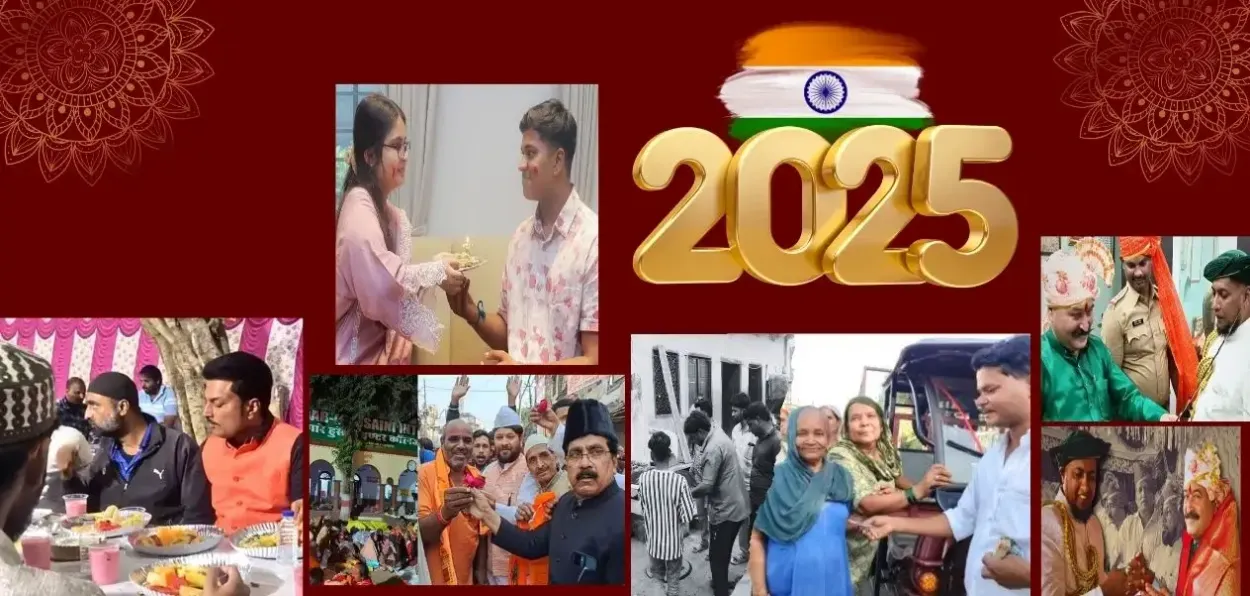
The year 2025 is about to be consigned to the pages of history. When future generations look back on this year, they will likely hear the echoes of political noise and conflicts across the globe. However, far from the din of TV debates and the clamour of social media, the common man in India deserves kudos for rejecting hatred and choosing love.
To feel the soul of India, one must visit the streets of Ajmer and the dargahs of Cuttack. Amid the chilly December breeze, the massive cauldrons of the Ajmer Sharif Dargah sent a powerful message to the world.
The langar wasn't just a means of addressing hunger, but a living example of equality before the divine. The donors, the cooks, and the people who lined up to eat were Hindus, Muslims, and Sikhs as one. There was no religious identity.
A similar example was witnessed in Cuttack, Odisha. When the Urs ceremony took place at the 400-year-old Bukhari Baba Dargah, Hindu devotees participated with great enthusiasm.
The paintings of Karnataka artist Syed Nizam also made headlines this year, with his canvases blending the echoes of Omkara and the austerity of Sufi saints. This demonstrated the unity in diversity of creative arts.
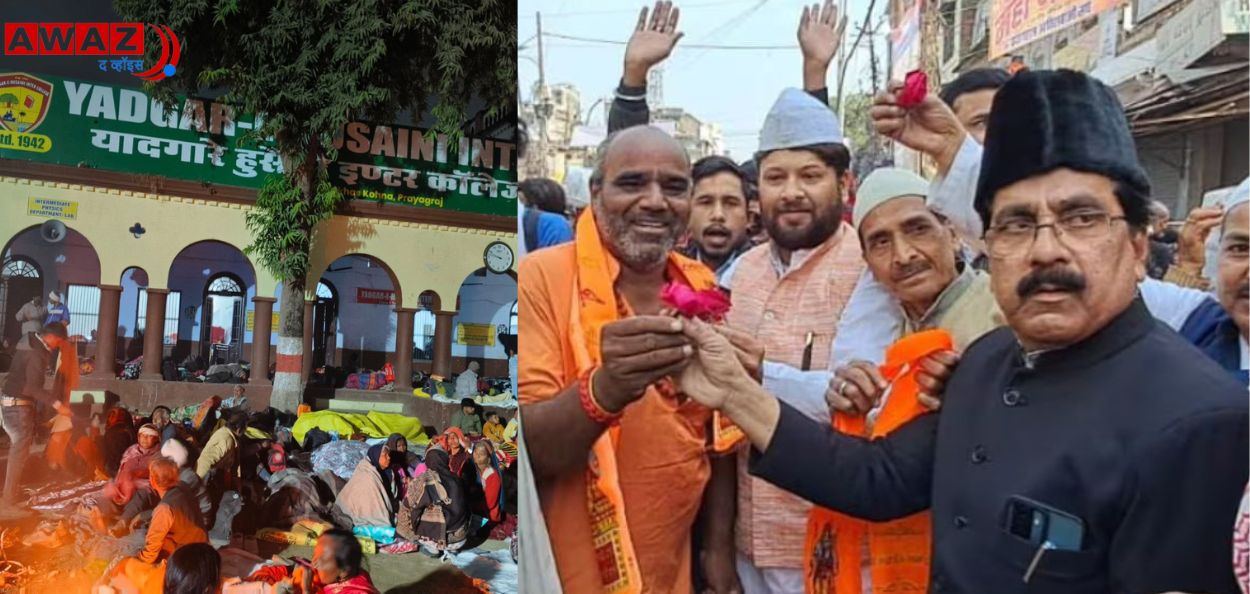
In Jaipur, Rajasthan, Eid on March 30 saw a remarkable scene. As Muslims emerged from the mosque after offering prayers, local Hindus showered them with rose petals. This shower of flowers was a declaration that happiness grows through sharing.
Similarly, at the Maha Kumbh Mela in Prayagraj, where a sea of devotees gathered, examples of brotherhood were also set. Living up to the philosophy of "Atithi Devo Bhava," Muslim youth were fully involved in the biggest gathering of pilgrims on the globe. From setting up tents for Hindu pilgrims to showing them the way and offering them refreshments, young Muslims men and women were on duty at the Kumbh religious festival.

Maharashtra set a new benchmark for brotherhood this year, with Ganesh Visarjan and Eid-e-Milad-un-Nabi clashing and the situation handled sagaciously by both police and the two communities.
Police and responsible members of the Muslim community and the Ulema made a historic decision. They said, "First, let our Hindu brothers immerse Bappa with great pomp and show; we will take out our procession later." From Dhule to Mumbai, this understanding brought sweetness to the atmosphere. Meanwhile, in the valleys of Kashmir, potter Mohammad Umar continued to craft Diwali lamps on the wheel, sending the message that light has no religion.
True relationships are not based on blood, but on feelings, and these are tested in times of crisis. In 2025, when nature wreaked havoc, humanity leapt across religious barriers and rushed to help.
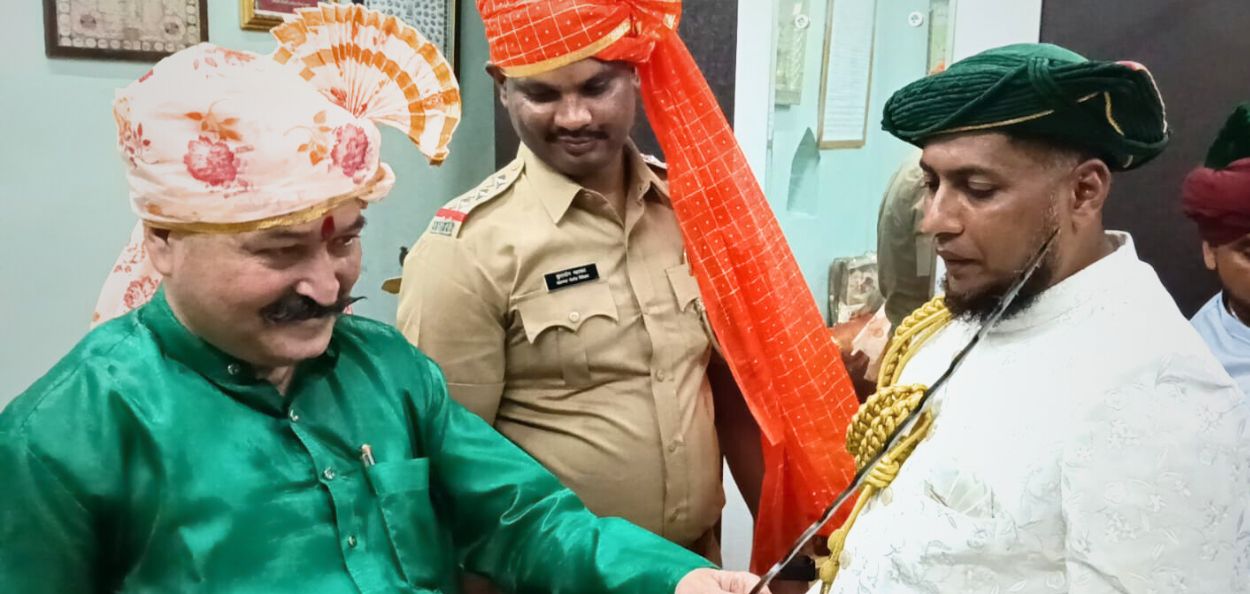
As the year is about to close, we heard heartening news from Buxar, Bihar, that brought tears to everyone's eyes.
A Hindu father named Janardan Singh had lost his young son, Shivam. To immortalise his son's memory, he donated his land to the Muslim community for a cemetery. He believed that in the afterlife, all become one.
Something similar happened in Bhilwara, Rajasthan, which changed the very definition of blood relations. A Muslim youth performed the last rites of his Hindu "mother," who had raised him, with proper rituals.
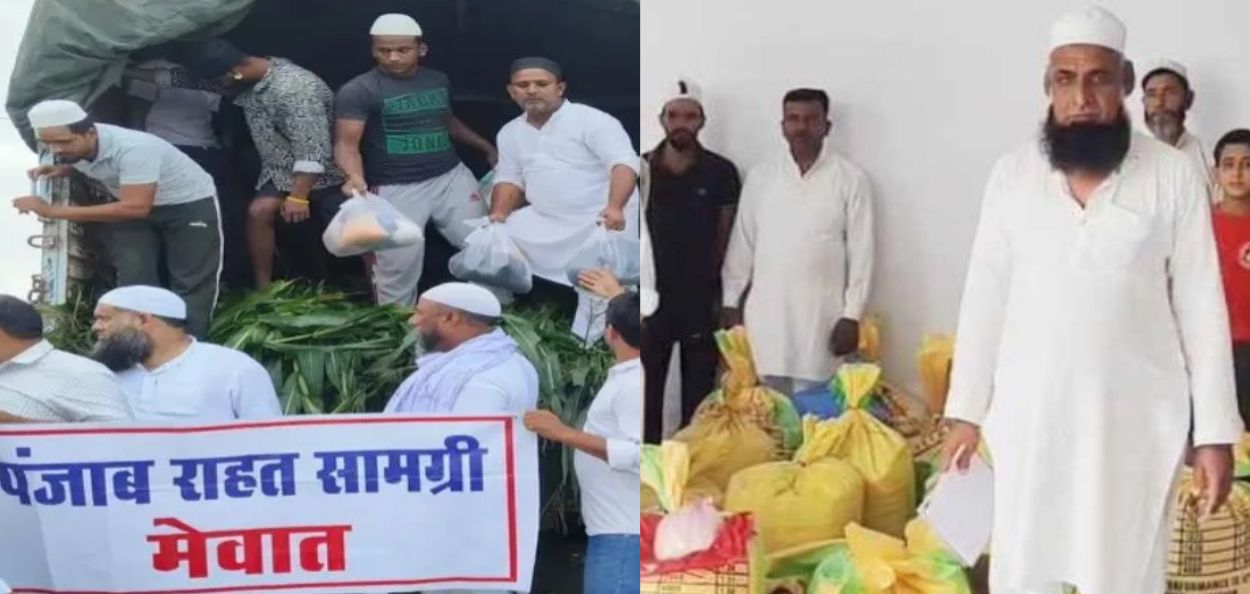
In Karad, Maharashtra, as floodwaters threatened to submerge everything, a heartwarming scene emerged. A few Muslim youths, risking their lives, entered the raging floodwaters and rescued the idol of Ganpati Bappa. This wasn't just about saving an idol; it was about protecting each other's sentiments and faith. In a village in Maharashtra, Muslim youths risked their lives to rescue a Hindu priest and his entire family.
Similar humanity was witnessed in Jammu. There, a Muslim journalist's house was demolished by the administration, forcing him onto the street. At a time when everyone was silent, his Hindu neighbour showed a large heart. The Hindu family gifted a piece of their land to the journalist and said, "We will not let you become homeless." This incident was more powerful than any political speech.
The year 2025 witnessed major changes not only on the ground but also on the ideological level. A historic dialogue took place in Lucknow between Rashtriya Swayamsevak Sangh (RSS) chief Mohan Bhagwat and the country's leading Muslim scholars and intellectuals.
The message that emerged from these closed-door talks was hopeful. Both sides acknowledged that "bridging the trust deficit will take time, but the dialogue process must not be broken."
On the other hand, this year, calls for peace were raised from mosques and religious gatherings.
A massive Tablighi Jamaat congregation was held in Ambajogai, Maharashtra, attended by millions of Muslims. From the stage, the clerics made the people pledge that "maintaining social harmony and respecting people of other religions is the true religion." Whether it was Maulana Arshad Madani or Maulana Saad of the Jamiat Ulema-e-Hind, they all unanimously declared that India's progress is impossible without Hindu-Muslim unity.
ALSO READ: Dhurandhar is a sleek spy thriller with a layered story on India's security - a review







.webp "Supreme Court of India")