Nagpur
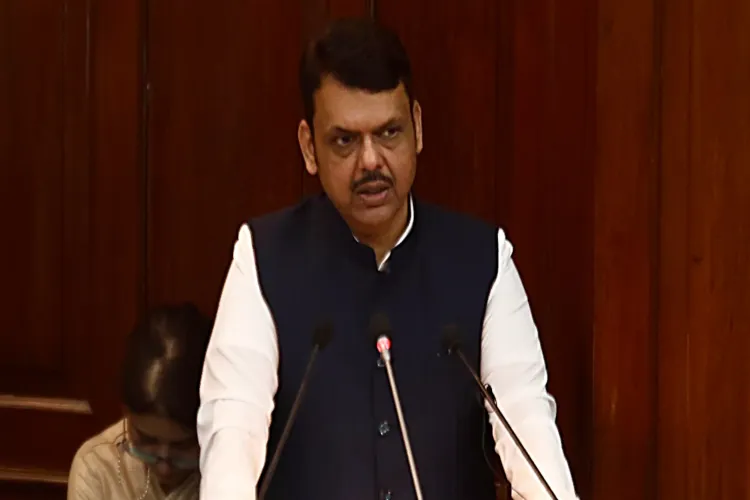
Maharashtra Chief Minister Devendra Fadnavis on Sunday strongly advocated granting autonomy to well-performing educational institutions, saying flexibility and independence are essential to create globally competent human resources as India’s economy continues to grow.
Addressing an event at the Laxminarayan Institute of Technology (LIT) here, Fadnavis said India needs institutions capable of producing talent that can compete at the global level. “To meet the demands of a rapidly growing economy, we require globally capable human resources. For this, our educational institutions must also become globally competent,” he said.
He argued that such institutions cannot flourish if they are over-regulated. “Globally competent institutions cannot be built by tying their hands and feet. Good educational facilities cannot function effectively if they are dependent on others for every decision,” he said.
“If we want good institutions, they must be given autonomy, flexibility and the opportunity to fly,” the chief minister added.
Recalling his first term as chief minister in 2014, Fadnavis said he had taken a conscious decision to grant autonomy to quality institutions. “That is why autonomy was given to institutions like LIT,” he noted.
Highlighting emerging areas of growth, the chief minister said energy transition and green jobs would play a crucial role in the future economy. He also stressed the importance of innovation at universities, urging institutions to focus on research and new ideas.
Fadnavis underlined the growing relevance of artificial intelligence, saying it should be adopted widely in professional work, though it cannot replace human intelligence. Referring to a past interaction with Microsoft CEO Satya Nadella, he said India is on track to become the world’s leading AI developer country by 2030, based on current trends.
READ MORE: Young bride Mrs Yasim taught me differences can be celebrated
The chief minister also emphasised the importance of natural farming. He said the Maharashtra government is implementing a ‘Natural Farming’ mission, under which it aims to bring at least 25 lakh hectares of land under natural farming over the next two to three years.




.png)





.webp "Union Minister Jyotiraditya Scindia")