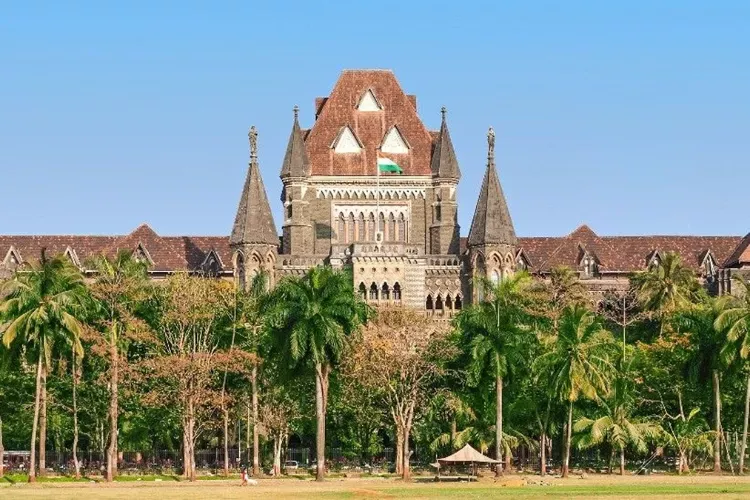
.webp "Representational Image")
Kochi
The Kerala High Court has ruled that elected representatives of local bodies must take their oath strictly in the format prescribed under law, holding that references to specific deities, political figures, organisations or symbolic entities cannot replace or supplement the legally mandated wording.
Justice P V Kunhikrishnan, delivering the judgment on Wednesday, observed that both the Kerala Municipality Act and the Kerala Panchayat Raj Act clearly require elected members to take their oath either “in the name of God” or through a “solemn affirmation.” Any deviation from this format, the court said, is not legally permissible.
The ruling came in response to petitions challenging the oath-taking ceremonies of several elected representatives. In one case, 20 councillors of the Thiruvananthapuram Corporation had taken oath invoking various Hindu deities, Bharathamba (Mother India), Bharatha Matha, Gurudeva and political martyrs. In another instance, a member of the Vadakkencherry Grama Panchayat in Palakkad district took oath “by God’s blessing in the name of Oommen Chandy.”
The court emphasised that an oath of office is not merely a ceremonial act but a formal commitment by elected representatives to uphold the Constitution, respect the rule of law and faithfully discharge their duties to the public. Consequently, the process must be carried out exactly as specified by statute.
Justice Kunhikrishnan noted that while individuals are free to practise any faith and worship in any manner they choose, the legal oath prescribed for public office does not permit modifications or additions.
The court stated that when a law explicitly prescribes a particular method for administering an oath, expanding the term “God” to include specific names, titles or personalities is not allowed.
Despite finding the oaths defective, the court refrained from disturbing the election results of the representatives concerned. It held that their electoral victories remain valid and directed authorities to facilitate fresh oath-taking ceremonies in accordance with the statutory provisions within four weeks.
The court also ruled that no punitive action should be taken against the councillors or the panchayat member, observing that they appeared to have acted under a genuine belief that their chosen wording was legally acceptable.
For the Thiruvananthapuram Corporation councillors, the court invoked Section 531 of the Kerala Municipality Act, which protects actions taken by elected representatives despite procedural defects. Therefore, decisions and actions already undertaken by them will continue to remain valid.
However, the court pointed out that the Kerala Panchayat Raj Act does not contain a similar protective provision. As a result, actions taken by the Vadakkencherry panchayat member before taking a valid oath were declared legally invalid, though he has been granted an opportunity to retake the oath.
READ MORE: How Amal Ayub's Bridalbug.Co is redefining luxury weddings
In its observations, the court referred to the teachings of social reformer Sree Narayana Guru and the constitutional principle of secularism, noting that while people may refer to the divine in different ways, the law requires a uniform oath either “in the name of God” or by way of a solemn affirmation, without any further elaboration or modification.

_(1).jpg "Visitors gather at the Santosh Mitra Square Durga Puja pandal, themed on the 150th anniversary of Vande Mataram and its historic role in India's freedom movement, ahead of the festival, in Kolkata")

.jpg "Gujarat’s women entrepreneurs bring their craftsmanship to life during Navratri")





.webp "Bollywood actor Tiger Shroff")


.webp)