New Delhi
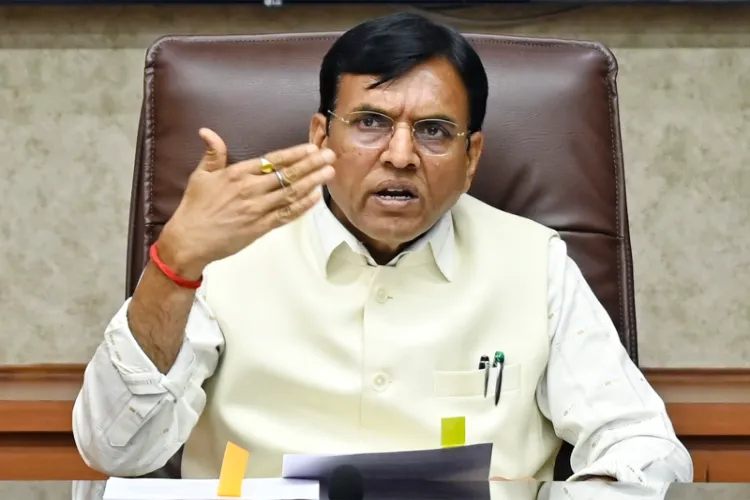
Union Labour Minister Mansukh Mandaviya on Tuesday said the Centre has now fully operationalised India’s four labour codes, describing the government as both pro-poor and industry-friendly while addressing the Confederation of Indian Industry Annual Business Summit in New Delhi.
Key announcements
-
The four labour codes—covering wages, industrial relations, social security, and occupational safety—have now become fully operational after the publication of the final rules earlier this month. The codes consolidate 29 older labour laws into a single framework.
-
Mandaviya said the reforms are aimed at ending “Inspector Raj” by introducing:
-
single registration
-
single-window compliance
-
inspectors functioning as facilitators rather than punitive authorities
-
He stressed that labour and industry must “complement each other and adapt to change.”
Worker-focused provisions under the new framework
Mandaviya highlighted several worker protections, including:
-
mandatory appointment letters
-
minimum wage protection
-
universal social security coverage
-
equal pay for equal work irrespective of gender
-
free health check-ups for workers aged above 40
-
a 48-hour weekly work cap, with overtime beyond that threshold requiring additional compensation.
Appeal amid West Asia crisis
Echoing Prime Minister Narendra Modi’s recent remarks, Mandaviya also urged citizens and businesses to:
-
reduce petroleum consumption
-
postpone gold purchases
-
avoid unnecessary foreign travel
The appeal comes amid concerns over rising energy costs linked to tensions in West Asia.
READ MORE: Syed Tanveer Nasrin: Ambassador of culture, women rights and harmony
The labour reforms mark one of the biggest overhauls of India’s employment laws in decades, with the final rules notified on May 8–9, 2026, completing a process that began over five years ago.
















.webp "Mayawati, chief of the Bahujan Samaj Party")

.webp)
