Pune
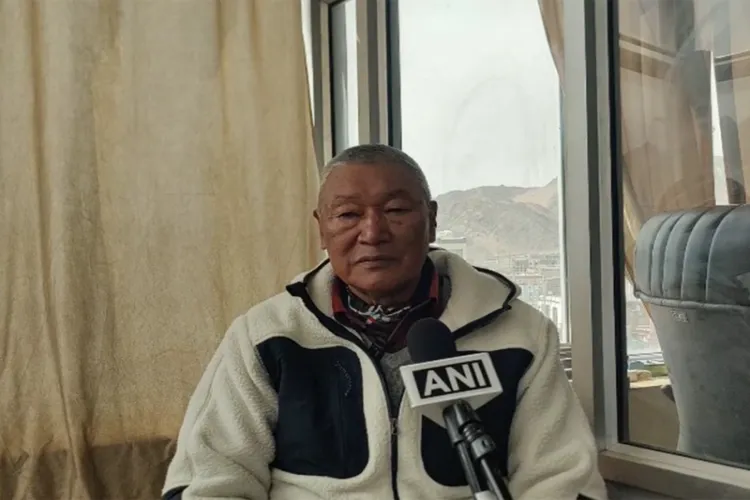
The National Book Trust (NBT) aims to move beyond the concept of book festivals as annual events and convert them into catalysts for a continuous, year-long reading culture, NBT Chairperson Milind Marathe said on Sunday.
In an interaction with PTI on the sidelines of the Pune Book Festival, popularly known as Pune Pustak Mahotsav, Marathe said the Trust plans to take book festivals to districts and smaller towns while simultaneously strengthening libraries to ensure sustained reader engagement throughout the year.
The third edition of the Pune Book Festival, he said, has evolved into a mass-driven cultural movement, featuring nearly 750 publishers and offering books across a wide spectrum of subjects. “This festival is no longer just an initiative of the National Book Trust. The people of Pune have truly made it their own, which is evident from the large crowds, vibrant discussions and strong book sales,” Marathe said.
Spread over nine days, the festival includes a specially curated Children’s Corner that caters to students from Classes 1 to 8. Activities range from storytelling and reading sessions to cartooning, poster-making and book appreciation programmes. The festival also features an Author’s Corner, where about 54 new titles will be launched, alongside several panel discussions and literary interactions.
Marathe said the Pune Literature Festival, scheduled from December 16 to 21, will be one of the key attractions of the event. The six-day literary programme will dedicate three days to Marathi literature, while the remaining three days will focus on Hindi and English writing. Bihar Governor Arif Mohammed Khan is set to inaugurate the literature festival, he added.
Speaking about NBT’s long-term strategy, Marathe said the organisation intends to expand book festivals beyond metropolitan centres. “Tier-1 cities already have access to multiple literary platforms. Our focus now is on tier-3 cities, where exposure is limited. These festivals may be smaller in scale or duration, but they are essential for reaching first-time readers,” he said.
The National Book Trust, established in 1957 under the Ministry of Education, works to promote reading habits and the dissemination of books across the country.
Marathe announced that the Goa Book Festival will be held in Panaji from February 4 to 9 next year, catering to readers in Konkani, Marathi, Hindi and English. Similar festivals are planned in other regions, including Sambalpur in Odisha.
Stressing the importance of sustainability, Marathe said libraries would be central to turning short-term festivals into long-term reading movements. He noted that more than 200 librarians participated in a workshop during the Pune festival and committed to organising local reading-related activities in their respective areas.
He also urged readers to explore the Rashtriya e-Pustakalaya mobile application, which provides access to over 5,500 free digital books in 22 Indian languages, published by more than 150 publishers with support from the Ministry of Education.
Alongside digital initiatives, Marathe said NBT is actively supporting the revival of physical libraries. “If governments, institutions or organisations can provide space and basic infrastructure, NBT will extend support through books, reading programmes and operational systems,” he said.
He cited Budgam near Srinagar as an example where vibrant library activities have emerged following book fairs, while discussions are underway with the Nagpur Municipal Corporation. Similar plans are being explored for Pune and cities in Odisha, including Cuttack, Bhubaneswar and Sambalpur.
“Our goal is to ensure that book festivals become the foundation of a nationwide, 365-day reading culture,” Marathe said.
NBT Director Yuvraj Malik said the organisation has been actively conducting book festivals across India and is preparing for the upcoming Goa edition. He added that the Pune Book Festival has now secured a strong national identity.
ALSO READ: Begum Sultan Amiruddin asked for banning polygamy and triple talaq in 1930s
“The next step is to take this festival to the global stage. We want to expand participation not just from across India, but also internationally, and aim to invite major literary nations to be part of the 2026 edition,” Malik said.