New Delhi
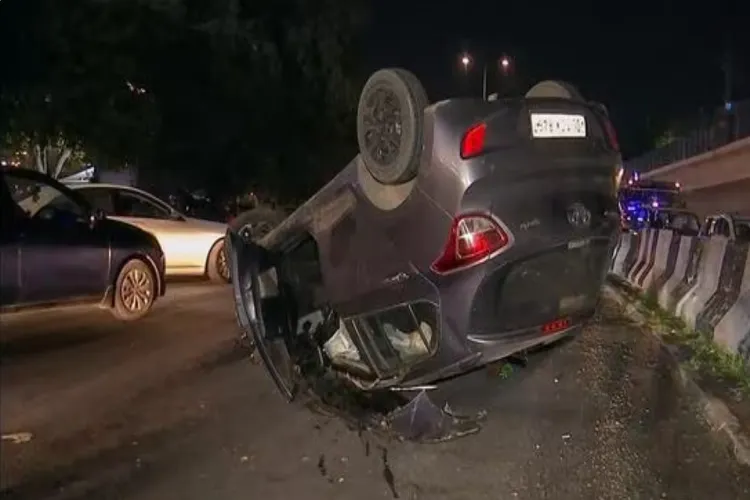
More than 1,600 people lost their lives in road accidents in Delhi last year, marking the highest number of deaths recorded in the national capital in the past seven years, official data showed, underlining a worrying rise in road fatalities.
According to a comparative analysis of road crash data compiled till December 31, Delhi recorded 1,617 deaths in 1,578 fatal accidents in 2025. This was the highest fatality figure since 2019 and represented a clear increase from 2024, when 1,551 people were killed in 1,504 fatal accidents.
In percentage terms, fatal accidents rose by 4.92 per cent, while deaths increased by 4.26 per cent over the previous year.
The data showed that the overall number of road accidents rose marginally by 0.57 per cent, from 5,657 in 2024 to 5,689 in 2025. However, the severity of crashes increased, with fatalities and serious injuries rising faster than minor accidents.
The number of persons injured in road accidents increased by 1.7 per cent from 5,224 in 2024 to 5,314 in 2025. In contrast, non-injury accidents fell sharply by 27.4 per cent, dropping from 84 cases in 2024 to 61 in 2025. Accidents involving simple injuries also dipped marginally by 0.5 per cent, from 4,069 cases to 4,050 cases.
A longer-term analysis of road safety trends shows that 2025 emerged as the deadliest year on Delhi’s roads since 2019. After peaking at 1,433 fatal accidents and 1,463 deaths in 2019, the figures fell dramatically in 2020 due to COVID-19 lockdowns, with Delhi recording 1,163 fatal accidents and 1,196 deaths — the lowest in nearly two decades.
Since then, fatalities have steadily climbed with fatal accidents rising from 1,206 in 2021 to 1,428 in 2022 and 1,432 in 2023, before rising further to 1,504 in 2024 and peaking at 1,578 in 2025.
Similarly, the number of deaths increased from 1,239 in 2021 to 1,461 in 2022, 1,457 in 2023, 1,551 in 2024 and finally 1,617 in 2025.
READ MORE: Osama played Oud and stole the show at New Delhi World Book Fair
A senior police officer said the rising death toll reflects increased traffic density, higher average vehicle speeds and persistent violations such as drunk driving, overspeeding, red-light jumping and failure to wear helmets and seat belts.
Despite regular enforcement drives and awareness campaigns, behavioural change among commuters remains a major challenge, they said.




.png)





.webp "Speaker of the Delhi Legislative Assembly, Vijender Gupta")





.webp)