New Delhi
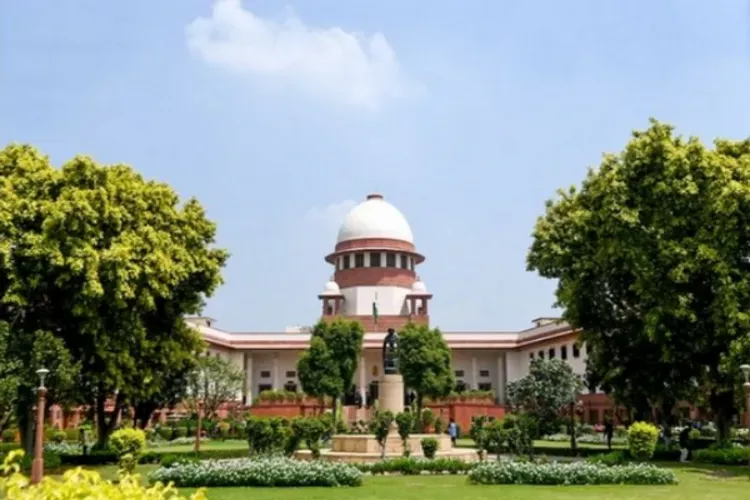
A public interest litigation has been filed in the Supreme Court of India alleging misuse of Unique Identification Authority of India-issued Aadhaar cards as proof of citizenship, domicile and residential address, and seeking directions to restrict its use strictly to identity verification.
The plea has been filed by advocate Ashwini Kumar Upadhyay through advocate Ashwani Dubey. It seeks directions to the Centre, state governments and the Election Commission of India to ensure Aadhaar is treated solely as proof of identity and not as proof of citizenship, domicile, address or date of birth.
The petition also challenges the use of Aadhaar as proof of date of birth and residence in Form-6 used for new voter registrations, arguing that it violates Section 9 of the Aadhaar Act, 2016, Section 23(4) of the Representation of the People Act, 1950, and Article 14 of the Constitution.
The plea pointed out that Section 9 of the Aadhaar Act explicitly states that Aadhaar is not evidence of citizenship or domicile. It also referred to a notification issued by the UIDAI on August 22, 2023, clarifying that Aadhaar serves only as proof of identity and not as proof of citizenship, address or date of birth.
According to the petition, despite these provisions, Aadhaar is being widely accepted as proof of age, citizenship and domicile for purposes such as school admissions, property purchases, birth certificates, ration cards and driving licences.
The plea further alleged that the current verification process under Form-6 is inadequate and could allow individuals without proper supporting documents to be added to the electoral database.
READ MORE: Syed Mubin Zehra’s scholarship inspires beyond classrooms
Seeking reforms in the electoral verification system, the petition has proposed the constitution of a high-powered monitoring committee comprising a retired Supreme Court judge along with cybersecurity and forensic experts to oversee changes in the verification framework.