.webp "J&K CM Omar Abdullah")
Jammu
Omar Abdullah on Monday said that the government does not reject private members’ bills without proper consideration, stressing that each proposal is carefully evaluated before a decision is taken.
Speaking in the Jammu and Kashmir Legislative Assembly, the chief minister addressed concerns raised during a discussion on a private member’s bill introduced by Congress MLA Nizam-ud-Din Bhat, which sought equitable employment opportunities in civil services.
Abdullah said it was “somewhat unfair” to suggest that the government routinely opposes such bills without reading or applying its mind. “It may seem as though we simply pick up a note marked ‘oppose’ and reject a bill, but that is not the case,” he remarked.
He explained that every proposal—whether introduced in the Assembly or through other channels—is thoroughly scrutinised. The government assesses its feasibility and carefully weighs its pros and cons before arriving at a position.
“If the advantages outweigh the disadvantages, we do not oppose it,” he said.
During the session, nearly a dozen of the 33 listed private members’ bills were introduced. Many were later withdrawn by their sponsors, while some were rejected through voice vote after the government presented its views.
Referring specifically to Bhat’s proposal, Abdullah said that after detailed examination, the bill appeared to have more drawbacks than benefits. While acknowledging the concern raised, he noted that limiting recruitment or postings to local levels could create administrative complications.
These challenges, he said, include the need for creating additional cadres, possible shortages of eligible candidates at the block level, and the likelihood of relaxations that could lead to arbitrary decisions. It could also complicate the implementation of reservation policies and restrict promotion opportunities, resulting in disparities among employees recruited at the same time.
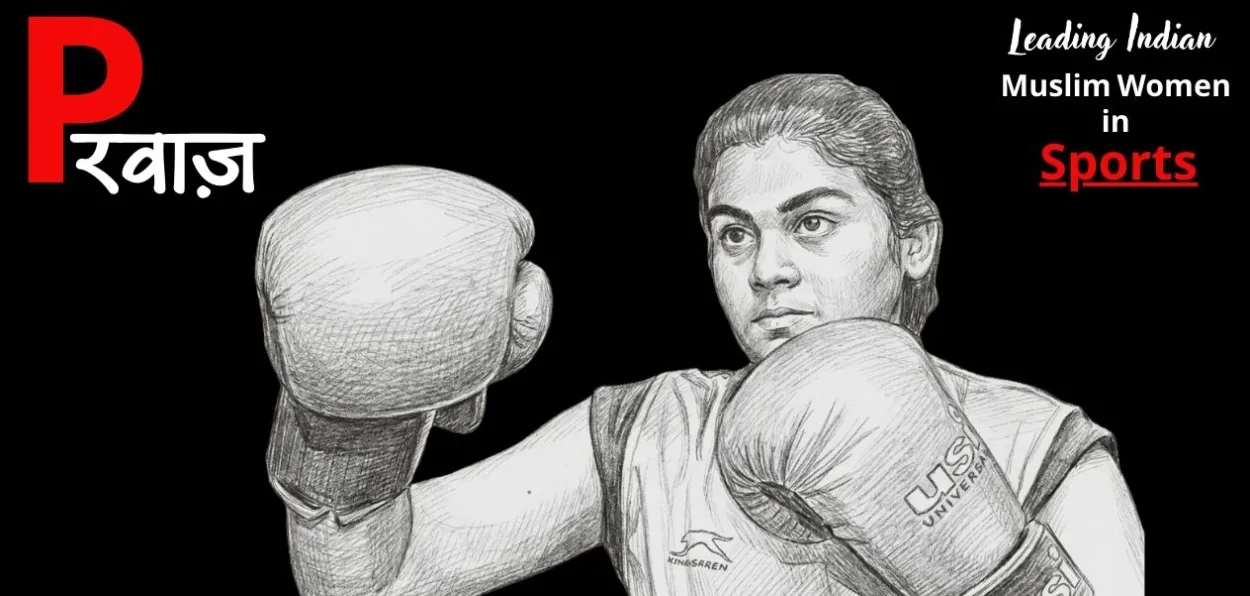
READ MORE: Alfiya Pathan: The rising boxing Star from Nagpur, aspiring to be the Next Mary Ko
Abdullah emphasised that although the issue highlighted by the legislator is valid and requires attention, the proposed bill may not be the right solution. He urged its withdrawal and assured the House that the government would explore alternative ways to address the concern.


.webp "Justice Poonam A. Bamba with Captain Amarinder Singh")







.webp "Chief Justice of India Surya Kant")

.webp)
.webp)