




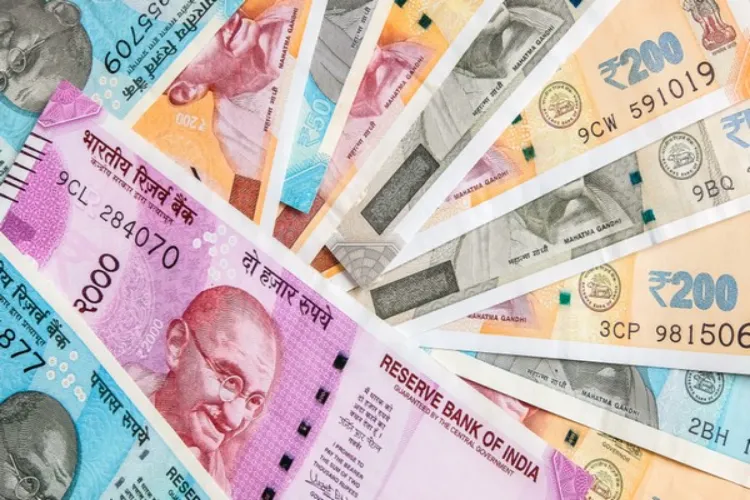
Mumbai
The Indian rupee weakened to a new all-time intraday low of 96.47 against the US dollar on Tuesday, weighed down by rising crude oil prices, geopolitical tensions in West Asia and sustained pressure from foreign capital outflows.
The domestic currency opened at 96.38 in the interbank foreign exchange market before slipping further by 27 paise from the previous close to touch the historic low. On Monday, the rupee had settled at a record closing level of 96.20 against the greenback.
The rupee has emerged as Asia’s weakest-performing currency in 2026 so far, declining over seven per cent since the beginning of the year and nearly 1.5 per cent in May alone.
Currency market experts attributed the continued weakness to elevated crude oil prices and concerns surrounding the Strait of Hormuz, a key global oil transit route. India, being heavily dependent on crude imports, remains vulnerable to any disruption in energy supplies or spike in oil prices.
According to Amit Pabari, Managing Director of CR Forex Advisors, large-scale foreign investor withdrawals have intensified pressure on the rupee.
“Foreign investors have already withdrawn nearly USD 2.6 billion from Indian equities recently, while total equity outflows this year have crossed USD 23 billion,” he said, adding that such sustained capital flight continues to weigh heavily on the currency.
Economists at HSBC estimate that India could witness a Balance of Payments deficit of nearly USD 65 billion in FY27, signalling persistent external sector stress for a third consecutive year.
Global geopolitical developments also continued to influence investor sentiment. US President Donald Trump reportedly paused a planned strike on Iran following requests from Gulf nations including Saudi Arabia, Qatar and the UAE. While the move temporarily eased market fears, uncertainty over the evolving US-Iran situation kept traders cautious.
Analysts said financial markets remain highly sensitive to developments in West Asia, with oil prices and currency movements reacting sharply to every diplomatic update.
Meanwhile, the dollar index — which tracks the US currency against six major global peers — was trading marginally lower at 99.16.
Brent crude futures, despite some easing, remained elevated at around USD 110.50 per barrel.
On the domestic stock market front, benchmark indices showed resilience. The BSE Sensex was trading over 260 points higher at 75,581.88, while the NSE Nifty gained more than 78 points to trade above 23,728.
READ MORE: Dr Sofia Banu’s mission to make science serve society
Foreign Institutional Investors (FIIs), however, continued selective buying in equities, purchasing shares worth Rs 2,813.69 crore on Monday, according to exchange data.

















_(3).webp)