New Delhi
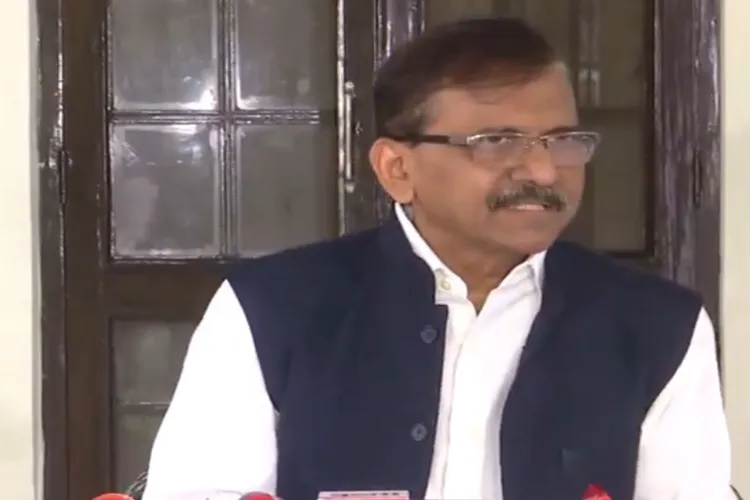
Shiv Sena (UBT) MP Sanjay Raut on Monday took aim at the Centre for not clearly stating its position on the intensifying US-Israel–Iran conflict, calling it a highly critical moment and seeking clarity on India’s stance.
Speaking at a press conference, Raut said there is uncertainty over India’s role in the crisis. He described the situation as extremely serious and questioned why Prime Minister Narendra Modi has not publicly articulated India’s position so far. He urged the government to explain its strategy and outline the next steps.
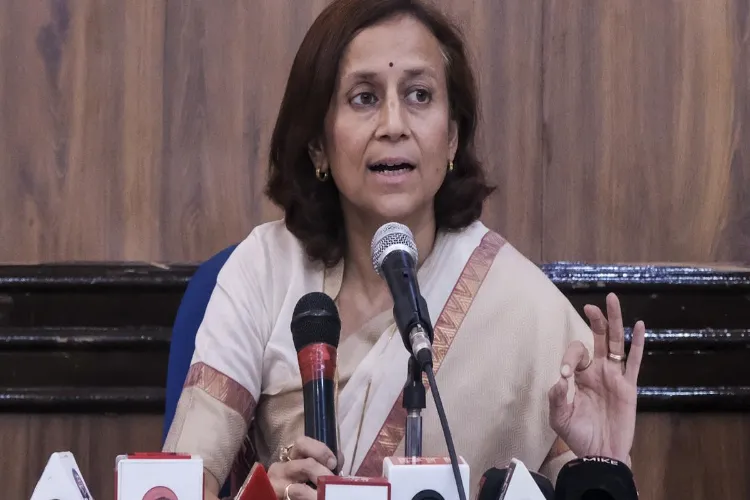
Fellow Shiv Sena (UBT) MP Priyanka Chaturvedi also drew attention to the impact of the conflict on everyday life in India. She noted that shortages of essential supplies, including LPG, are already being felt, affecting businesses such as restaurants, many of which are unable to offer full menus due to supply constraints. She also pointed out that despite the crisis entering its third week, there has been little visible progress toward peace.
At the same time, Chaturvedi acknowledged the government’s efforts to review the situation, noting that the Prime Minister has convened meetings with ministers to assess the evolving scenario. She added that India’s ongoing engagement with countries such as Iran, Israel, the United States, and other West Asian nations is crucial, given the global implications of the conflict.
Meanwhile, the Prime Minister’s Office and the Cabinet Secretary presented a comprehensive review of the international situation and the steps being taken by various ministries to mitigate its impact. Discussions covered a wide range of sectors, including agriculture, fertilisers, food security, petroleum, power, MSMEs, exports, shipping, trade, finance, and supply chains.
Officials evaluated the possible short-, medium-, and long-term effects of the West Asia conflict on both the global economy and India, and deliberated on immediate as well as long-term responses. Special focus was given to ensuring the availability of essential commodities such as food, fuel, and energy for the public.
The government also reviewed the needs of farmers, particularly with regard to fertiliser availability for the upcoming Kharif season. Existing stockpiles and alternative sourcing strategies were discussed to maintain supply and ensure food security.
In the energy sector, authorities confirmed that coal reserves at power plants are sufficient to prevent electricity shortages. Plans were also discussed to diversify import sources for key industries such as chemicals, pharmaceuticals, and petrochemicals, while identifying new export markets for Indian goods.
READ MORE: Sarah Rizvi: The first Muslim woman IPS officer of Gujarat cadre
Prime Minister Modi reportedly emphasised that the conflict remains fluid and is affecting countries worldwide. He stressed the need for coordinated action across all levels of government to minimise disruption for citizens. He also directed close coordination with state governments to prevent hoarding and black-marketing of essential commodities.











.webp "Kolkata Metro")
.webp "Haryana Human Rights Commission (HHRC)")