Eman Sakina
Eid ul-Fitr arrives like a gentle reward after a month of discipline, reflection, and spiritual growth. It is not merely a day of festivity, but a meaningful occasion that marks gratitude, renewal, and togetherness.
Eid is a time when hearts soften, homes come alive, and faith finds expression in both quiet worship and joyful meeting. Yet in today’s rapidly changing world, many families find themselves navigating a delicate balance: how to honour cherished traditions while embracing the realities of modern life. This balance is not a conflict to resolve, but an opportunity to enrich the Eid experience.
Holding On to the Essence
At its core, Eid is not defined by culture, trends, or technology—it is rooted in gratitude, generosity, and remembrance of Allah. The Eid prayer, giving of charity, maintaining ties of kinship, and expressing joy within the bounds of faith are timeless elements. These should remain the foundation, regardless of how lifestyles evolve. When the essence is preserved, the form can adapt without losing meaning.
Traditions as Anchors of Identity
Family traditions—whether it’s preparing specific dishes, wearing cultural attire, or gathering at a grandparent’s home—carry emotional and spiritual weight. They connect generations and give a sense of belonging. Preserving these practices helps younger members understand where they come from, offering them a stable identity in an ever-changing world. Even small rituals, like sharing Eidi or visiting elders first, can leave lasting impressions.
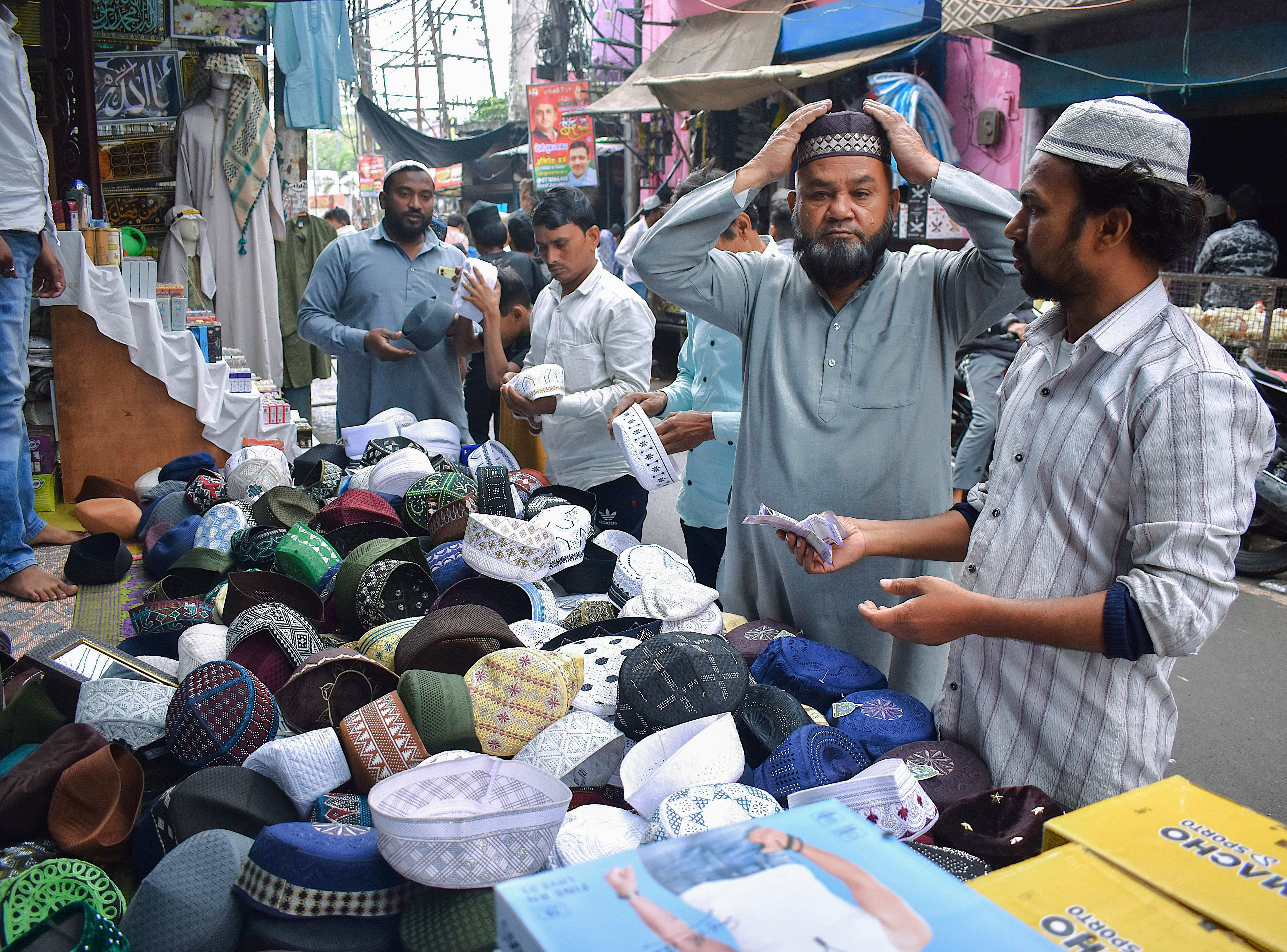
Muslim men buying skullcap on the last day of Ramzan
Welcoming Modern Practices
Modern life brings convenience and new ways to connect. Virtual greetings, online charity platforms, and digital invitations can enhance the Eid experience, especially for families separated by distance. For many, sending Eidi through mobile apps or joining a video call with relatives abroad has become a meaningful addition rather than a replacement. The key lies in using these tools to strengthen, not replace, human connection.
Navigating Consumer Culture
One of the biggest challenges today is the commercialisation of Eid. Social media often sets unrealistic standards of celebration—perfect outfits, lavish decor, and extravagant feasts. While there is nothing wrong with enjoying the blessings of Eid, it is important to resist the pressure to compete or overspend. Moderation, a core Islamic value, helps ensure that celebrations remain joyful rather than burdensome.
Creating Inclusive Celebrations
Modern societies are diverse, and Eid can be an opportunity to build bridges. Inviting neighbours, colleagues, or friends from different backgrounds reflects the inclusive spirit of Islam. It allows others to understand the beauty of Eid beyond stereotypes, while also enriching our own experience. Balancing tradition with openness makes the celebration more meaningful and socially relevant.
Engaging the Younger Generation
Children and youth today grow up in a world shaped by technology and global influences. Instead of dismissing their interests, families can integrate them into Eid in creative ways—encouraging them to design decorations, organise games, or even document family moments. At the same time, guiding them toward the spiritual significance of Eid ensures they see it as more than just a festive break.
Protecting the Spiritual Atmosphere
Amid all the planning and excitement, it is easy for the spiritual essence of Eid to fade into the background. Setting aside time for prayer, reflection, and zikr helps maintain balance. Even simple acts, like beginning gatherings with a dua or sharing reminders, can keep the spirit of Eid alive within modern settings.
Adapting Without Losing Meaning
Every generation reshapes how Eid is celebrated. What matters is not whether things look different from the past, but whether they still carry purpose. A family that celebrates with a mix of traditional meals and modern conveniences is not losing its identity—it is evolving. As long as the heart remains connected to faith, change can be embraced with confidence.
A Living Tradition
Eid is not a static ritual frozen in time; it is a living tradition that grows with its people. Balancing tradition and modernity means choosing what to preserve and what to adapt with wisdom. It means honouring the past while responding thoughtfully to the present.
READ MORE: Kolkata's Dr Honey Qureshi is an angel for childless couples
In the end, a balanced Eid is one where faith is not overshadowed by festivity, and modernity does not erase meaning. It is an Eid where simplicity coexists with joy, where technology supports connection, and where every celebration—old or new—brings one closer to gratitude, community, and Allah.










.webp)