Ratna G Chotrani/Hyderabad
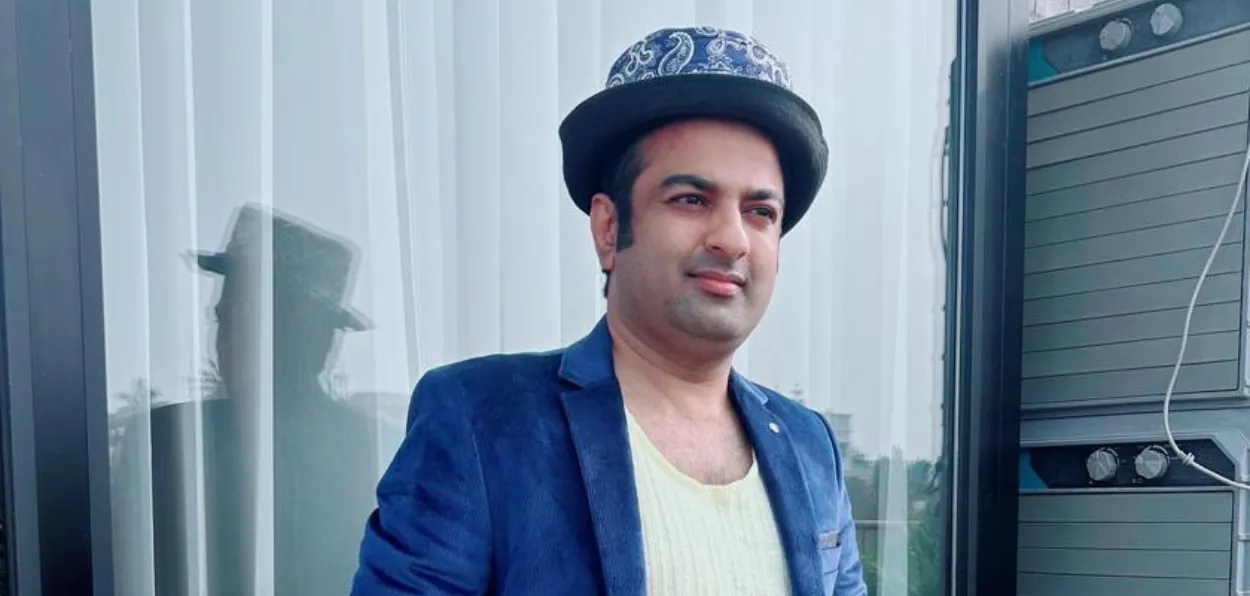
Sami Sultan, a Hyderabad-based calligrapher, has transformed lettering into a striking visual art—one that moves effortlessly across films, memorabilia, wedding invitations, textiles, and a range of unconventional surfaces.
Calligraphy is far more than ornamental handwriting. It is a deeply rooted artistic tradition that has shaped India’s cultural landscape for centuries—from temple inscriptions and royal edicts to Mughal era manuscripts and, more recently, digital typography. While the craft saw a decline with the advent of printing, the late 20th and 21st centuries have witnessed a revival, driven by artists who are reimagining its possibilities.
Trained through online workshops with the International Association of Master Penmen, Engrossers, and Teachers of Handwriting, Sultan has elevated calligraphy into a contemporary art form that resonates with modern audiences. His work blends classical techniques with experimental design, turning even a single word into a visual statement.
Though an engineer by profession, Sultan pursued calligraphy as a passion before eventually launching his own brand. Today, his work spans industries and formats. In cinema, his lettering appears in title sequences and end credits, adding a distinctive artistic touch to storytelling. His contributions can be seen in films such as Sye Raa Narasimha Reddy and Kalki 2898 AD, earning appreciation from leading actors like Ram Charan.
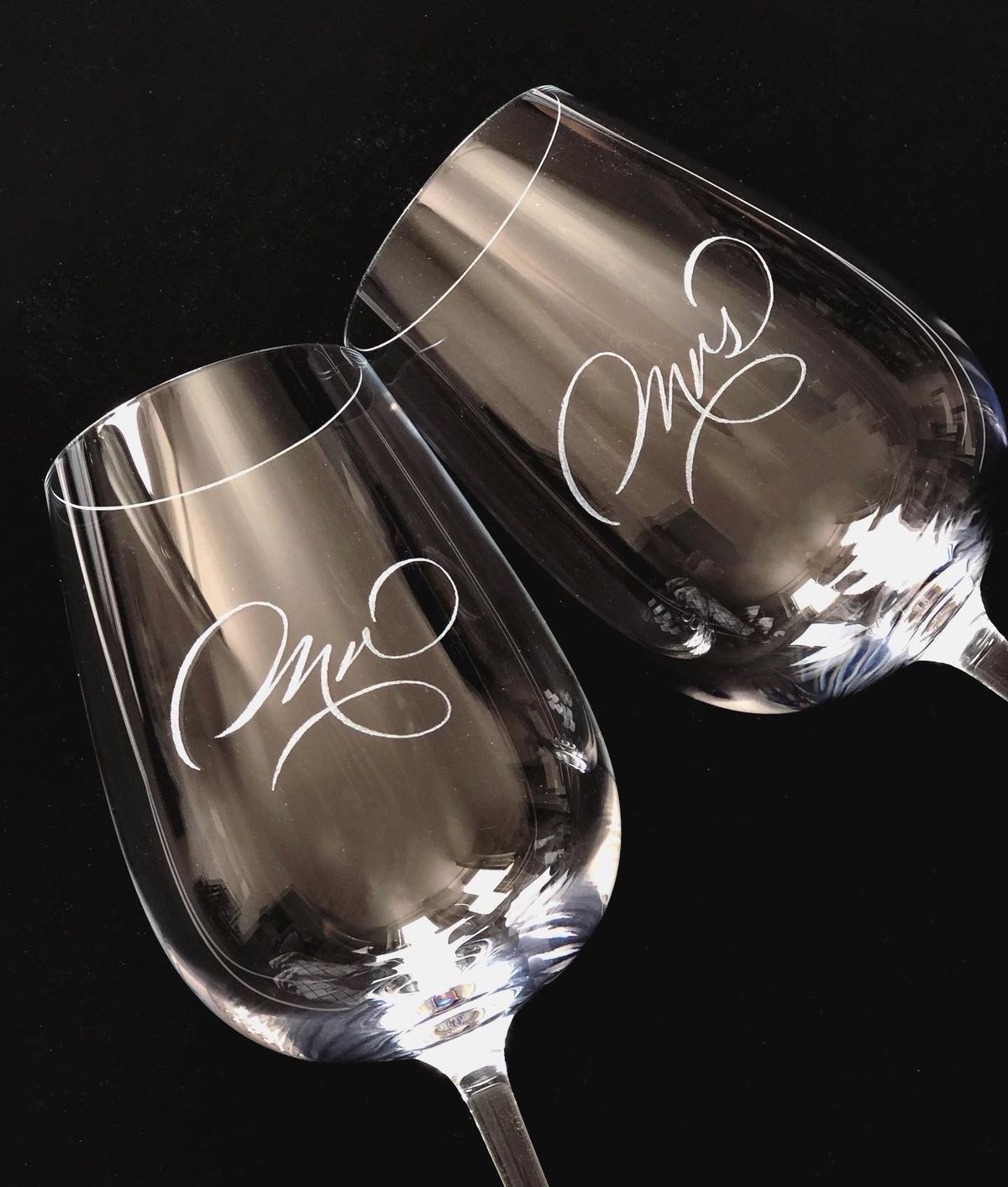
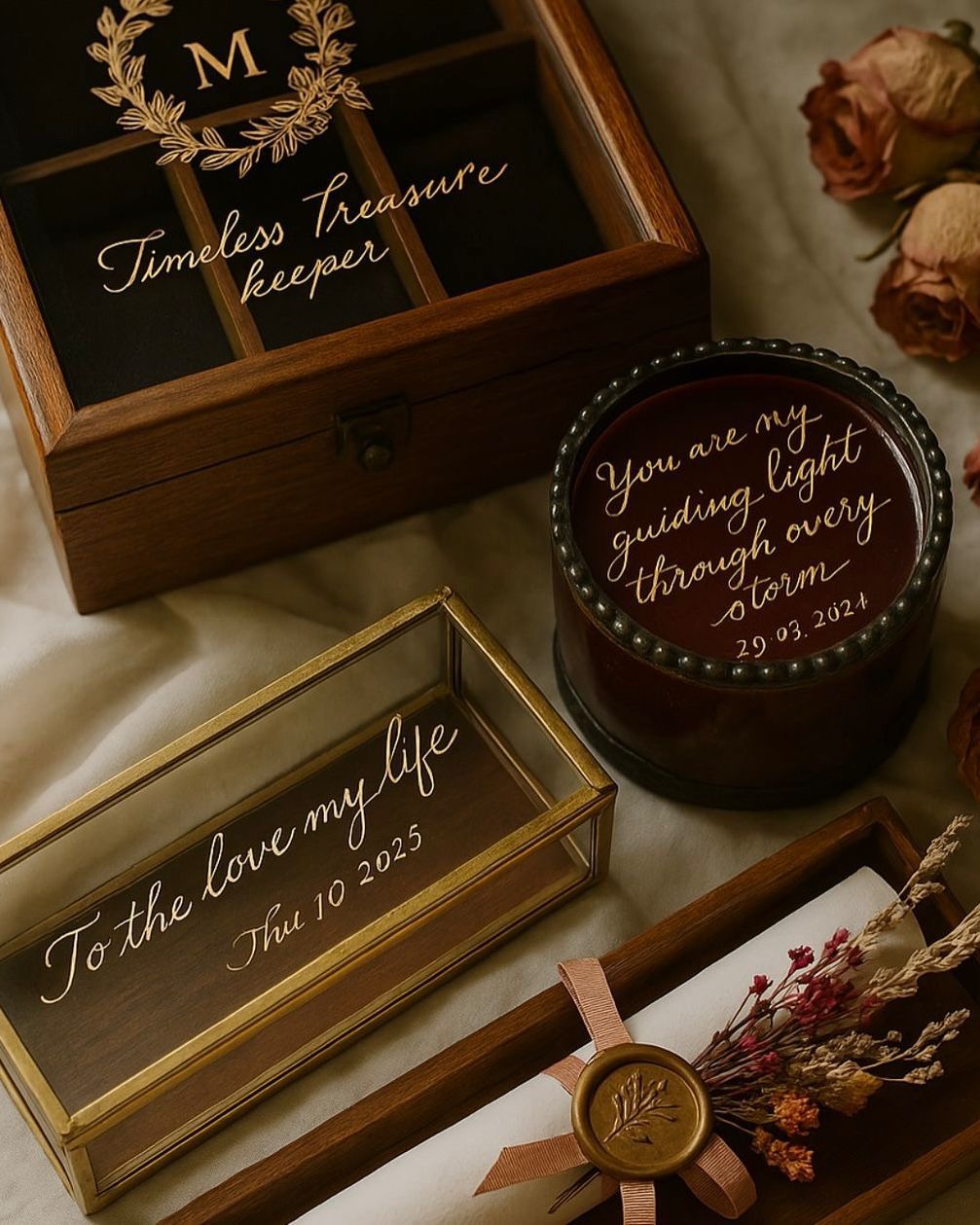
Beyond the screen, Sultan’s calligraphy finds expression in personalised letters, wedding invitations, engraved glassware, perfume bottles, and bespoke gift items. His clientele spans across India, including prominent figures from the Telugu film industry such as Vijay Deverakonda and Allu Sirish.
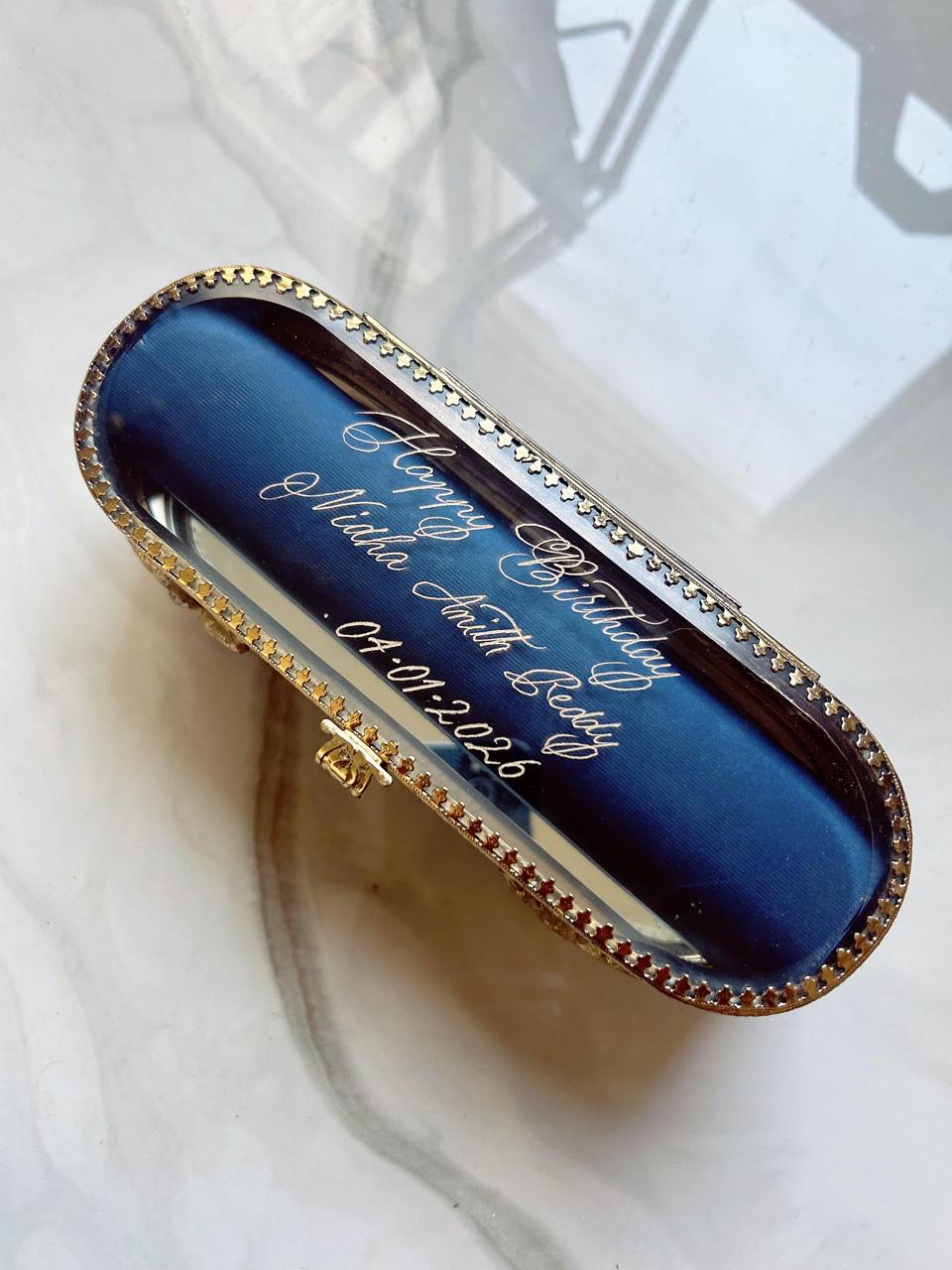
What sets his work apart is its versatility. For Sultan, calligraphy is not confined to paper. Wood, glass, leather, textiles—no surface is off-limits. His experimentation extends to calligraphy with henna, textile-based compositions, and mixed-media works that fuse Arabic script with cosmic imagery, evoking galaxies, stars, and nebulae.
At a time when communication is increasingly digital, Sultan believes handwritten expression carries a rare emotional weight. A handwritten note, he says, is no longer routine—it is a gesture of thoughtfulness. Through his art, he seeks to restore that personal connection, transforming messages into keepsakes.
His creative repertoire also includes jewellery inspired by Islamic calligraphy, particularly popular during festivals like Eid and weddings, where symbolism and craftsmanship come together.
The story of calligraphy in India stretches back to the Indus Valley Civilisation, with early writing systems evolving through the Maurya period and Gupta period, before being enriched by the arrival of Islamic calligraphy between the 8th and 12th centuries. Its golden age came under the Mughals, when the art flourished in manuscripts and architecture.
ALSO READ: Reshma Niloufer Naha is first woman river pilot in the world
Though printing technology once diminished its prominence, contemporary artists like Sami Sultan are reclaiming its place—breathing new life into an ancient tradition and ensuring that the written word remains not just read, but experienced.
.webp "Union Home Minister Amit Shah")






_(1).webp)