.gif)




Farhan Israeli/Jaipur
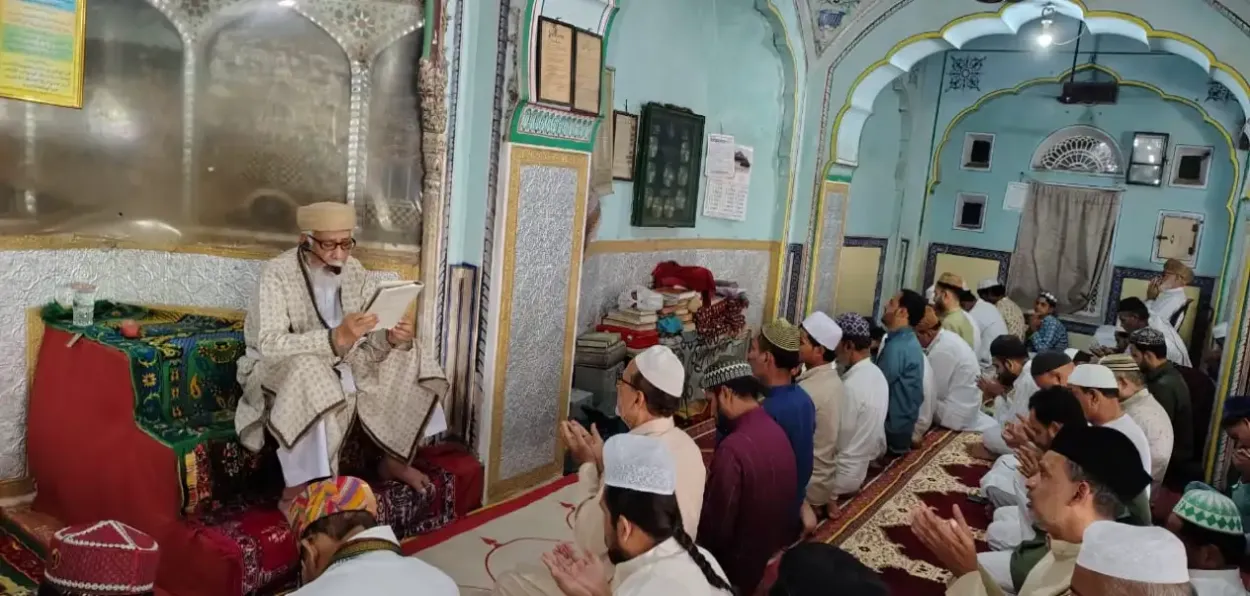
The Mir Ji ka Bagh dargah complex resonates with the gentle echo of hymns drifting from the mosque’s minaret. Cool breezes carry the fragrance of trees, lending the space a serene, almost timeless aura. Spread across lush greenery, the complex houses the dargah of Mir Qurban Ali Shah, a mosque, a madrasa, and a library. The scent of old books and the whispers of history seem to linger in every corner.
Guiding us through this tranquil space is Dr. Syed Habibur Rahman Niazi, the sajjadanashin, who explains its legacy in a soft, measured voice. He recounts that in 1860, Mir Qurban Ali arrived in Jaipur from Atrauli in Aligarh district. At the time, he was a prominent lawyer in the Awadh High Court, representing kings and nawabs. On the advice of the state’s Diwan, Maharaja Ram Singh II invited him to Jaipur, where he was appointed to the Royal Council and granted the title of Tazimi Sardar.
But Mir Qurban Ali’s journey to Jaipur was not merely professional—it carried a deeper message of education and Hindu-Muslim unity.
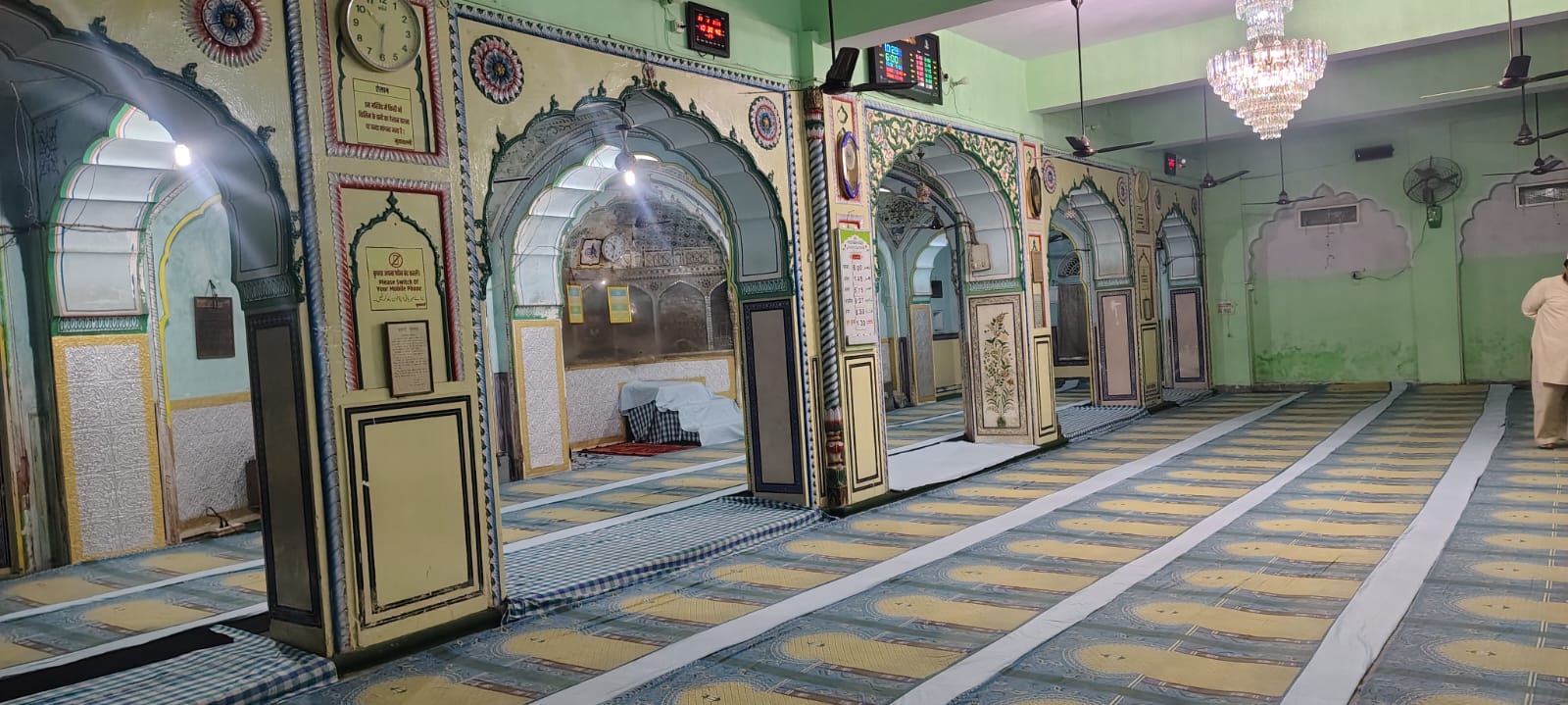 Inside the Dargah
As one steps into the complex, Quranic verses etched in stone create a sense of calm. The seven-acre garden is not just a green sanctuary but a living symbol of Mir Sahib’s legacy of human brotherhood. At its heart stands his dargah, constructed after his passing in 1907 under the supervision of his grandson, Anwar ur Rahman Sahib. Surrounding it are the mosque, madrasa, residential colony, and the Mehboob Library—together forming a vibrant hub of spiritual, social, and educational life.
Built in 1865, the mosque, adorned with intricate stone carvings, serves not only as a place of worship but also as a centre for learning and community interaction. Dr Niazi notes that people from both Hindu and Muslim communities gather here, strengthening bonds of harmony.
The madrasa plays a vital role in shaping young minds, imparting not only Islamic education but also moral values and social responsibility. It stands as a centre for both learning and character-building.
A section of the garden has been developed into a residential colony of 68 plots, primarily reserved for Muslims, including economically weaker sections. “We ensured that even the poor could find a place here,” says Dr Niazi. Residents actively participate in the dargah’s activities, fostering a strong sense of unity.
The Mehboob Library houses around 1,000–1,500 books, including rare Urdu literature and religious texts. It continues to attract students and researchers, keeping the intellectual spirit of the complex alive.
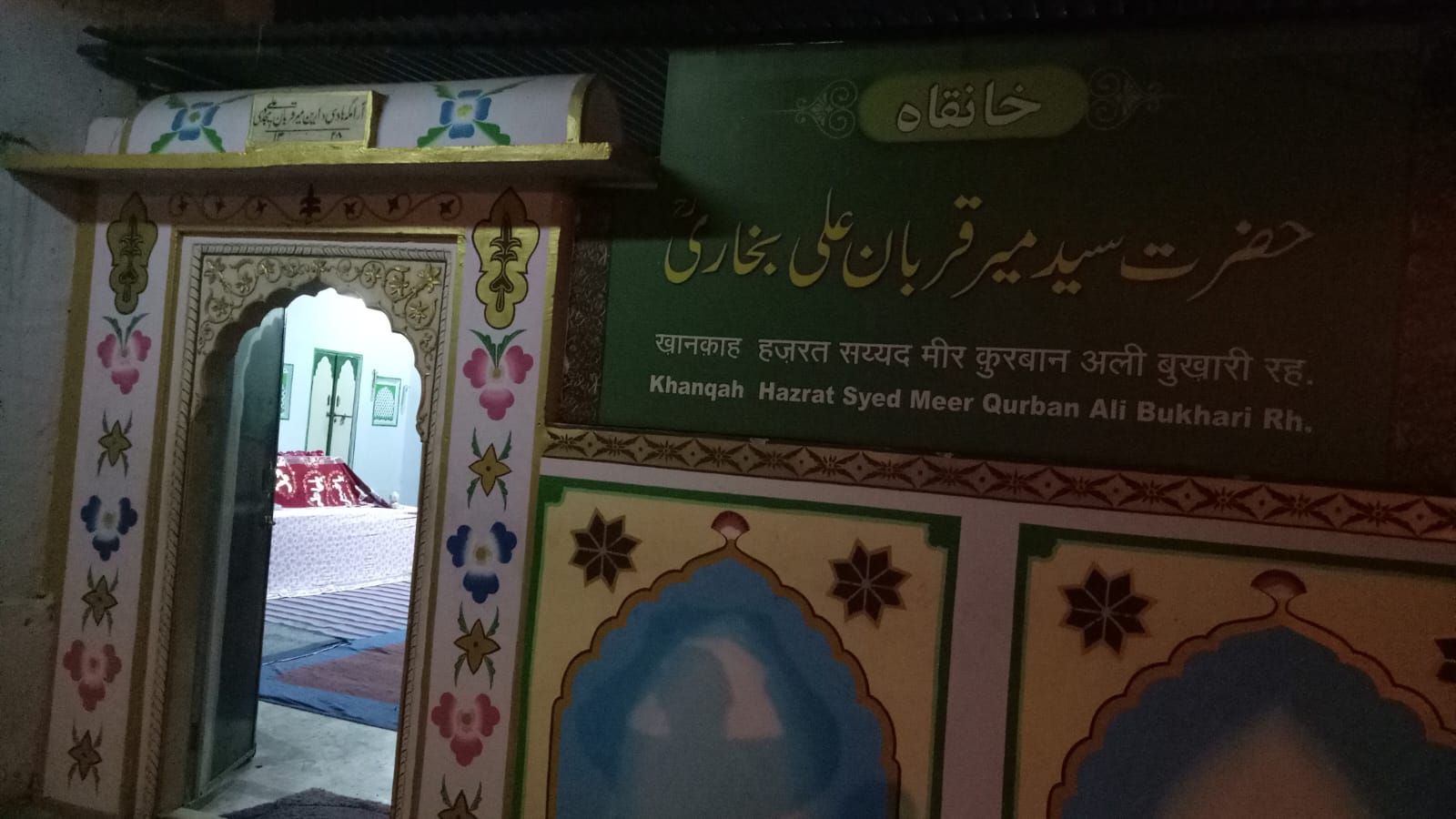
The spiritual lineage of the shrine reflects continuity and devotion—from Mir Qurban Ali Sahib to his son Mir Abdur Rahman, then Anwarur Rahman, Syed Mehboob ur Rahman Niazi, and now Dr Syed Habibur Rahman Niazi. The complex also contains a family graveyard where generations of its custodians rest.
The dargah comes alive during Urs celebrations. Lamps are lit on the 15th and 16th of Rabi-ul-Sani, followed by the lighting of the Ghaus Pak lamps on the 17th. In the month of Rajab, the Urs of Mir Qurban Ali and his son is observed over two days, drawing devotees who gather for prayers, lectures, and Milad Sharif. The atmosphere becomes deeply communal—children laugh, elders pray, and families come together in devotion.
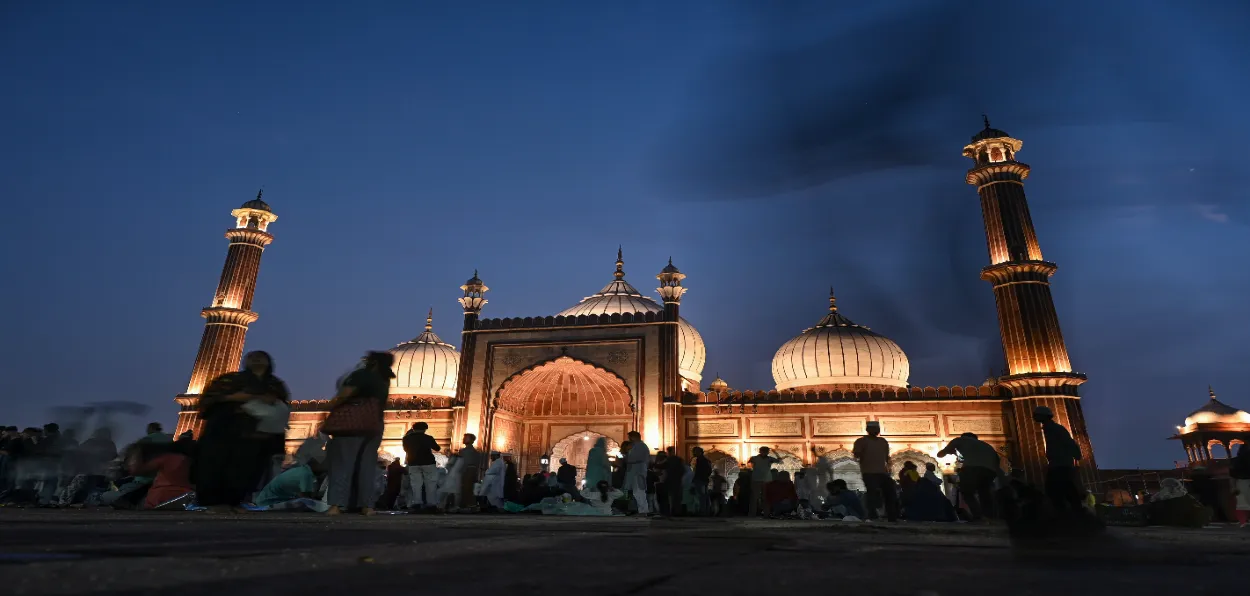
During Ramadan, a daily iftar is organised, including four large community gatherings attended by people from Jaipur and nearby regions. Fruits and sweets line the corridors, and after prayers, people sit together, sharing food and fellowship.
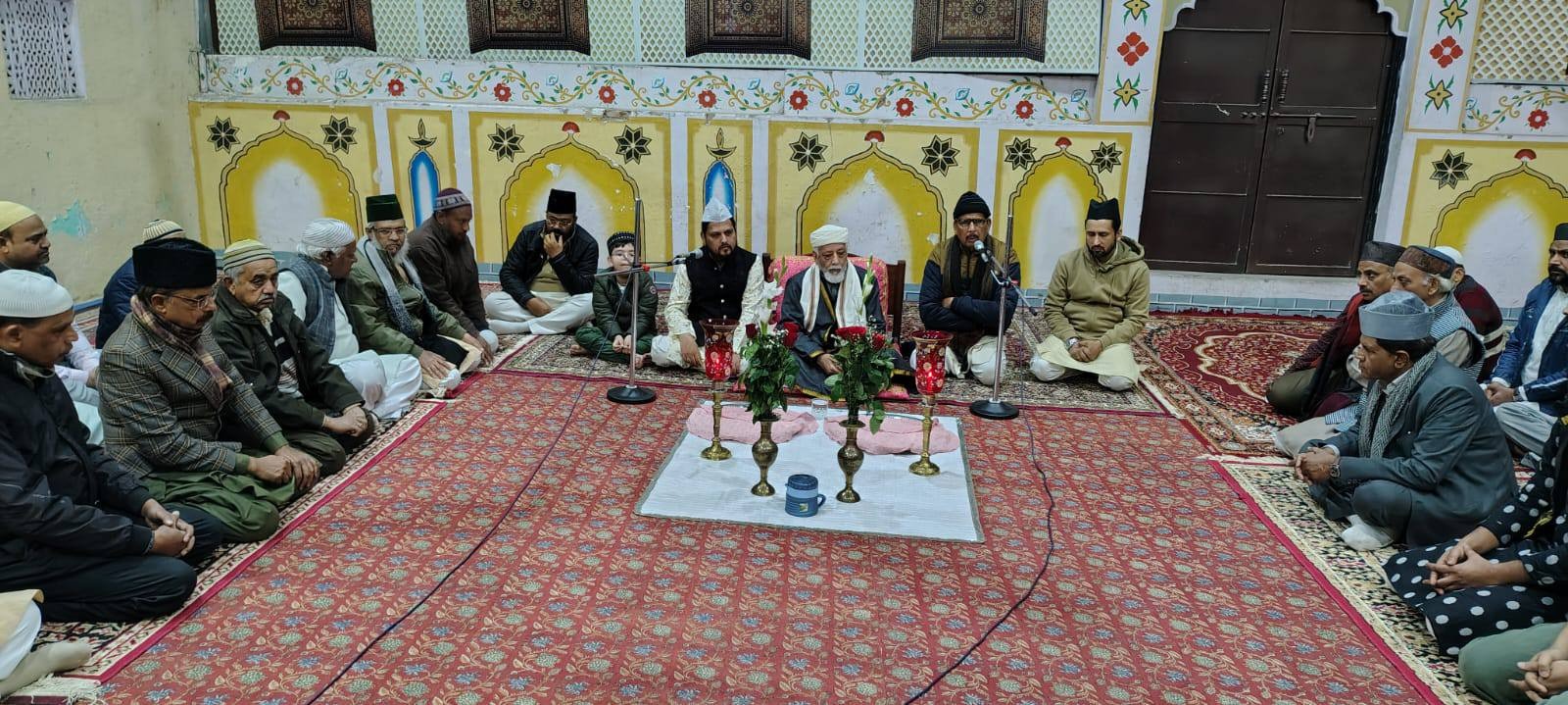 A prayer meeting inside the Dargah
Milad Sharif on the 12th of Rabi-ul-Awwal is marked with floral decorations and vibrant gatherings attended by people of all communities. During Muharram, the stories of Karbala are narrated over ten days. A special monthly gathering, ongoing since 1995, commemorates the burial anniversary of the sajjadanashin’s father and attracts hundreds daily.
What makes Mir Ji ka Bagh unique is its celebration of shared culture. Festivals such as Basant, Holi, and Diwali are observed within the complex, reflecting a deep-rooted spirit of communal harmony. Visitors often come here to mark personal milestones—buying a new vehicle or celebrating success—seeking blessings.
Devotees arrive not only from Rajasthan but also from Uttar Pradesh, Gujarat, Madhya Pradesh, and even South India. The dargah stands as a living symbol of unity, where Hindu and Muslim communities celebrate together. The gardens come alive with colours, lights, and laughter, offering glimpses of harmony at every step.
The shrine is associated with the Niyazia order of Bareilly, which has a global presence across Europe, the Middle East, and Central Asia. Dr Niazi explains that this spiritual tradition traces its roots to the great Sufi elders of Bareilly.
READ MORE: Kolkata's Dr Honey Qureshi is an angel for childless couples