




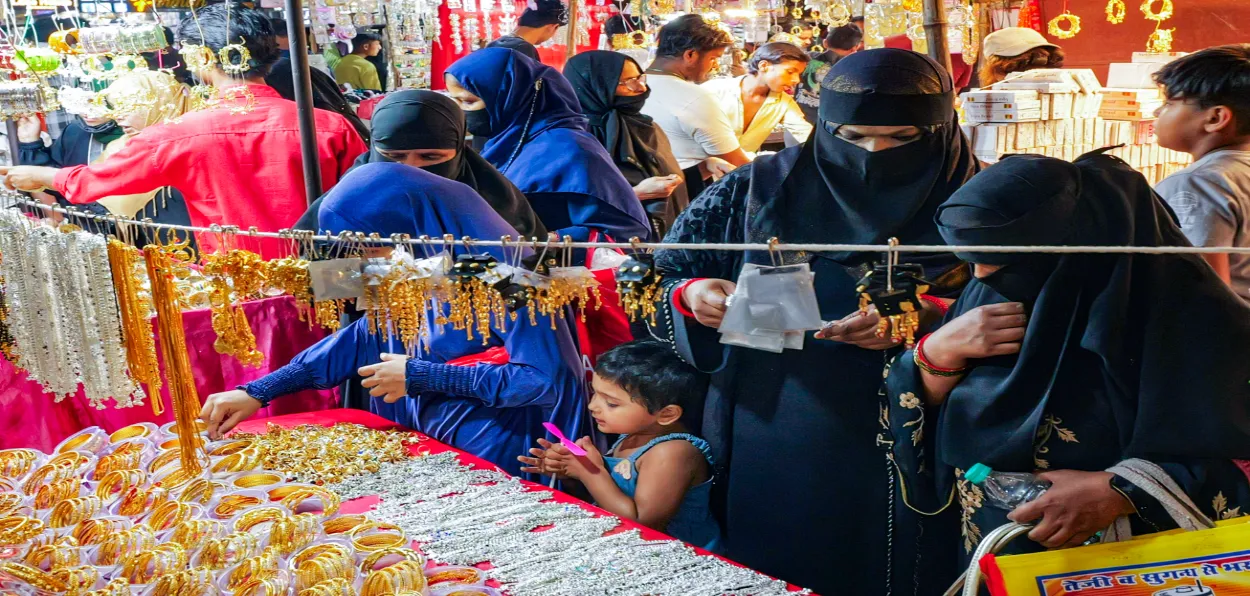
Eid ul-Fitr, the festival that marks the completion of the blessed month of Ramadan, is fundamentally a celebration of restraint, gratitude, and spiritual elevation. It comes after thirty days of fasting, self-discipline, charity, and reflection—days in which a believer consciously limits even lawful pleasures in pursuit of nearness to Allah. Yet, paradoxically, the very day meant to crown this discipline is often overtaken by excess, indulgence, and social display.
What should be a continuation of the spirit of Ramadan sometimes turns into its contradiction. To truly honour Eid ul-Fitr, one must strive to preserve the ethos of moderation, particularly in food consumption, social conduct, and material habits, thereby celebrating the occasion with a meaningful sense of austerity.
The issue of excessive food consumption on Eid al-Fitr is both subtle and widespread. After a month of fasting, it is natural to desire good food, and Islam does not prohibit enjoyment. However, the transition from restraint to overindulgence often happens abruptly and without reflection. Lavish feasts, multiple rich dishes, and a culture of overeating can overshadow the gratitude that Eid embodies.
The day begins with Zakat al-Fitr, a profound institution designed to ensure that even the poorest members of society can partake in the joy of Eid. Yet, while this obligation emphasises inclusion and empathy, the culture of excessive feasting can create a stark contrast between abundance and deprivation.
Minimising food consumption on Eid does not mean eliminating joy; rather, it means eating with mindfulness, preparing only what is necessary, and ensuring that simplicity remains central. A modest meal shared with family, coupled with conscious gratitude, aligns far more closely with the spirit of Ramadan than extravagant spreads that lead to waste and discomfort.
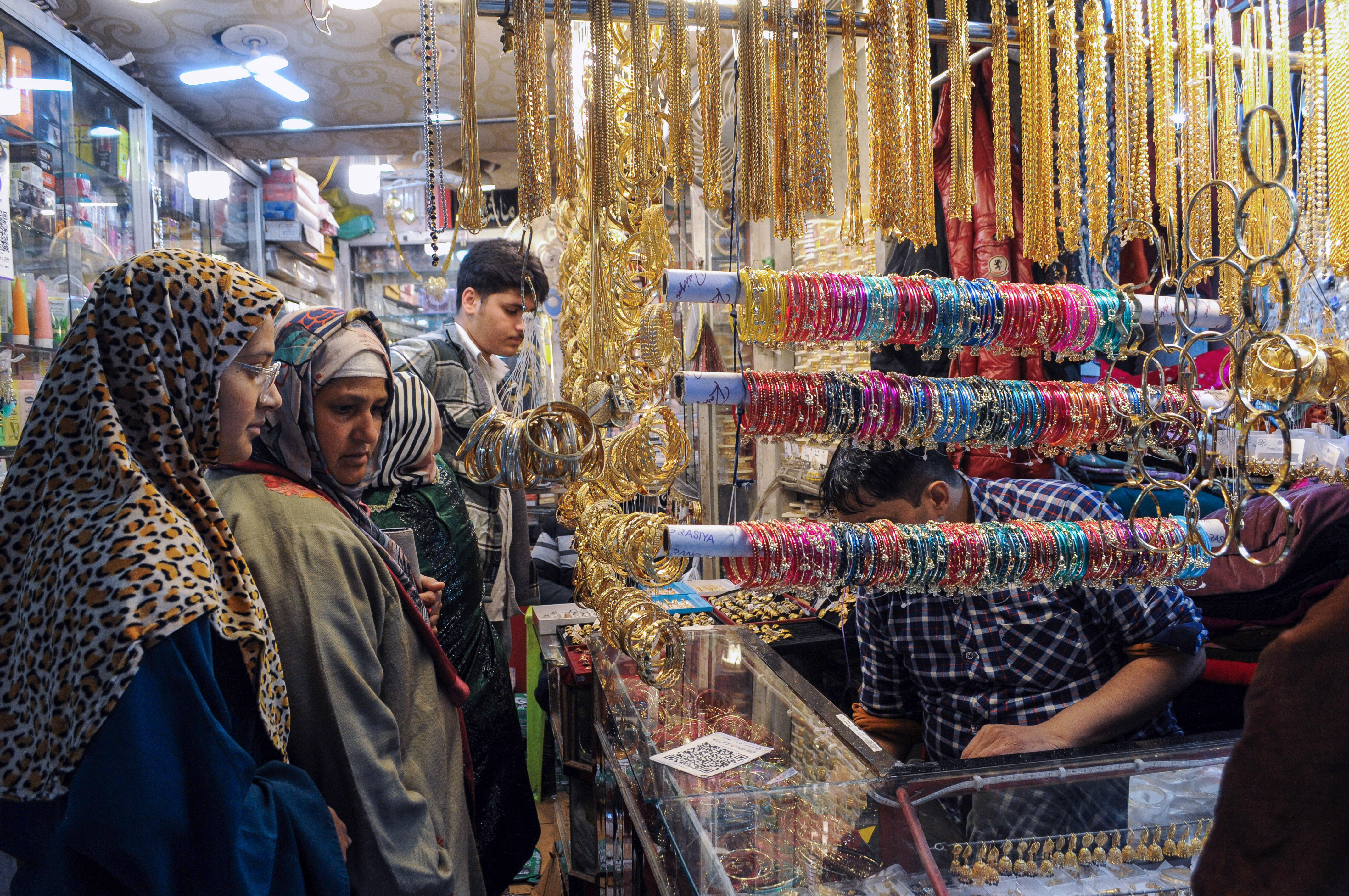 Women shopping in a Srinagar Market ahead of Eid
Extravagance during Eid al-Fitr is seen in clothing, gifting, and social expectations. New clothes are a Sunnah and a symbol of renewal, but the transformation of this practice into a display of wealth and status distorts its purpose. Families often feel compelled to spend beyond their means, driven by societal pressure rather than genuine need or intention.
Another layer of excess arises from practices that have gradually become attached to Eid without having any real spiritual grounding. Endless social visits that turn into obligations rather than acts of affection, the pressure to host elaborate gatherings, and the tendency to showcase one’s celebration on social media all contribute to a subtle erosion of sincerity.
Instead of fostering genuine connection, these practices often create fatigue, distraction, and even feelings of inadequacy. Eid, at its core, is meant to be a day of gratitude, remembrance, and community bonding. When these secondary practices overshadow the primary purpose, the spiritual essence of the day becomes diluted. The remedy lies in conscious simplification—limiting commitments to what is meaningful, engaging in sincere interactions, and allowing space for reflection, prayer, and remembrance even on the day of celebration.
The material benefits of embracing austerity on Eid al-Fitr are both immediate and far-reaching. Reduced food consumption leads to better health and prevents waste, aligning with broader ethical concerns about sustainability and responsible living.
Financially, avoiding unnecessary expenditure allows families to allocate resources more wisely, whether toward charity, education, or long-term well-being. Socially, it reduces the pressure of competition and fosters a more inclusive environment where people of all economic backgrounds can participate without feeling inadequate. In communities where simplicity is valued, Eid becomes a unifying experience rather than a divisive one.
The spiritual benefits, however, are even more profound. Austerity preserves the continuity of Ramadan’s discipline, preventing the heart from slipping back into heedlessness. It nurtures gratitude by shifting focus from consumption to appreciation, from display to sincerity. When one consciously limits excess, one is, in fact, extending the worship of Ramadan into Eid, transforming the day into a culmination rather than a rupture.
This approach also deepens empathy, as the believer remains mindful of those who struggle even on days of celebration. The ego, which thrives on display and indulgence, is gently restrained, allowing the soul to remain elevated.
In essence, celebrating Eid al-Fitr with austerity is not about denying oneself happiness; it is about redefining it. It is about finding joy in simplicity, in shared prayers, in genuine smiles, and in the quiet satisfaction of having completed a month of worship. It is about ensuring that the lessons of Ramadan—moderation, gratitude, and compassion—are not abandoned at its conclusion but carried forward into the rest of the year.
ALSO READ: Pregnant Bushra Bano appeared for the Interview, became an IPS Officer
When Eid is celebrated this way, it becomes not just a festival, but a reflection of a transformed self—one that values meaning over excess, sincerity over display, and spiritual richness over material abundance.


_(1)_(1).webp "Khanqah Emadia Qalandaria, Patna, Bihar")










.webp)


.webp)