




Chennai
The Tamil Nadu government on Tuesday urged the Centre to withdraw the recently passed VB-G RAM G act and restore UPA-era rural employment scheme, MGNREGA, thereby easing the state’s financial burden.
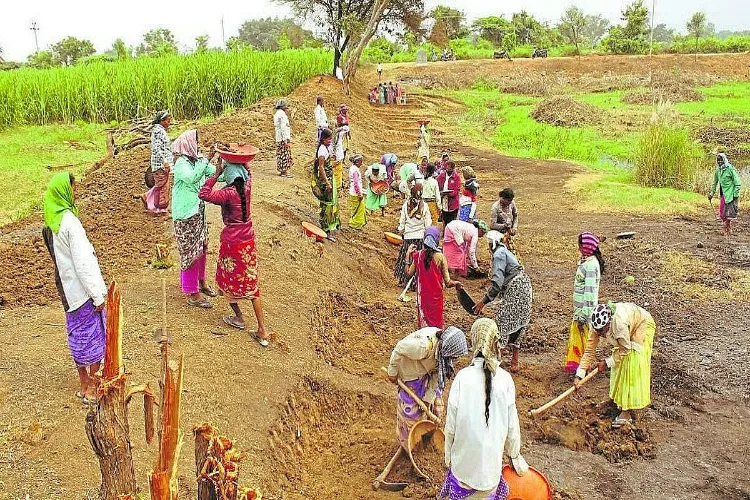
The discontinuation of the Mahatma Gandhi National Rural Employment Guarantee Act (MGNREGA) has not only hindered development in rural areas but also increased the financial strain on the state government, it said.
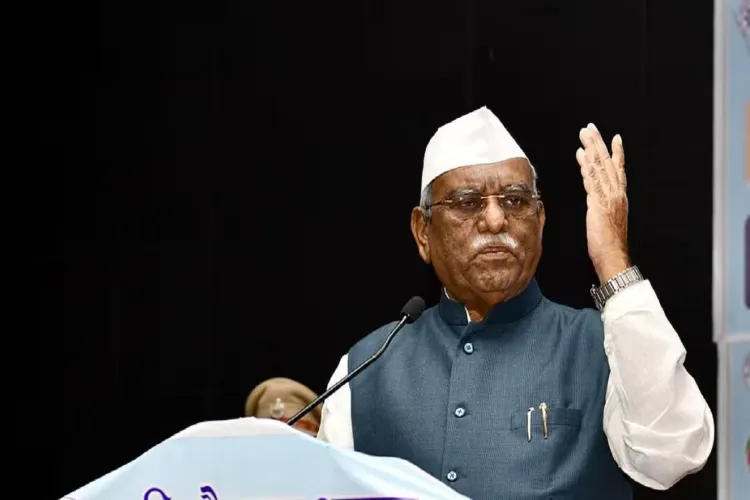
"Due to the Viksit Bharat–Guarantee for Rozgar and Ajeevika Mission (Gramin) VB-G RAM G, the financial burden on Tamil Nadu will further increase by approximately Rs 5,000 crore per annum," Tamil Nadu Assembly Speaker M Appavu said while reading out Governor's address to the Assembly.
The governor had walked out of the state Assembly without delivering his customary address during the maiden session of the year, citing "inaccuracies" in the text prepared by the DMK government.
Reading the Tamil version of the governor’s address, Appavu said the new scheme VB-G RAM G undermined the fundamental objective of the MGNREGA, a programme designed to ensure wage employment for crores of poor and underprivileged people in rural areas, particularly women and Adi Dravidar communities.
He noted that through MGNREGS, which provides social security to the rural poor, numerous projects such as infrastructure development, natural resource conservation, greening and watershed management have been successfully implemented in rural areas.
Tamil Nadu has consistently received several national awards for the successful implementation of this scheme.
"Considering that the state government is already facing significant challenges in implementing its own schemes due to the increased state share under various Centrally Sponsored Schemes, the introduction of this new scheme must be viewed as part of the Centre’s adverse intent," he said.
He added that the new scheme should be withdrawn and the Central government should restore and allocate additional financial resources to MGNREGA.
On language policy, the state government reaffirmed that the Tamil Nadu State Education Policy continues to follow the two-language formula of Tamil and English, a policy maintained since 1968.
"We have been safeguarding the two-language education policy formulated by former Chief Minister C N Annadurai as dearly as our own eyes. When it comes to protecting the Tamil language, which is inseparable from our life and emotions, there can be no room for compromise," he said.
The government added that under no circumstances will it, under the leadership of Chief Minister M K Stalin, accept any alteration to this policy.
On other matters, the government said the CM’s efforts helped Tamil Nadu achieve robust economic growth of 11.19 per cent during the last financial year, the highest in the past 14 years.
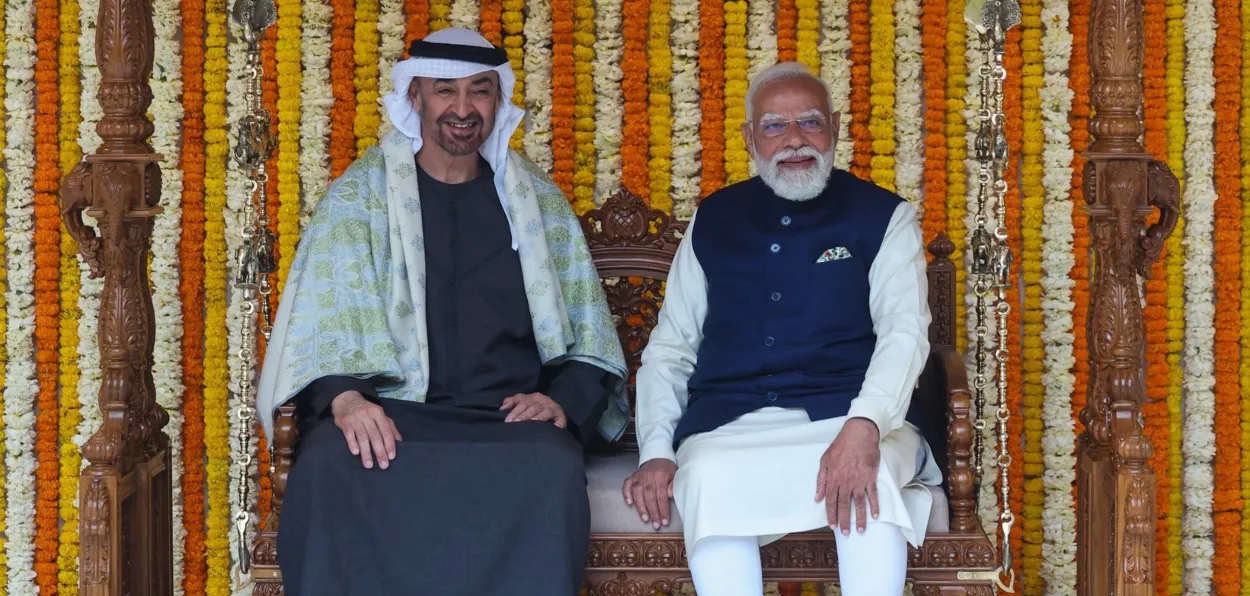
ALSO READ: India, UAE signs deals to deepen partnership during MBZ's short Delhi visit
The government also expressed "grave concern" over the Centre’s perceived adverse attitude towards the state, which has resulted in the continued denial of approvals and financial allocations for several essential projects.
"For various programmes implemented by Tamil Nadu, the Union government is not only creating significant obstacles by imposing conditions contrary to the state’s policies but has also created circumstances that could bring such schemes to a complete halt," he said, noting that this poses a major impediment to the state’s development.




.png)







.webp)