Lucknow
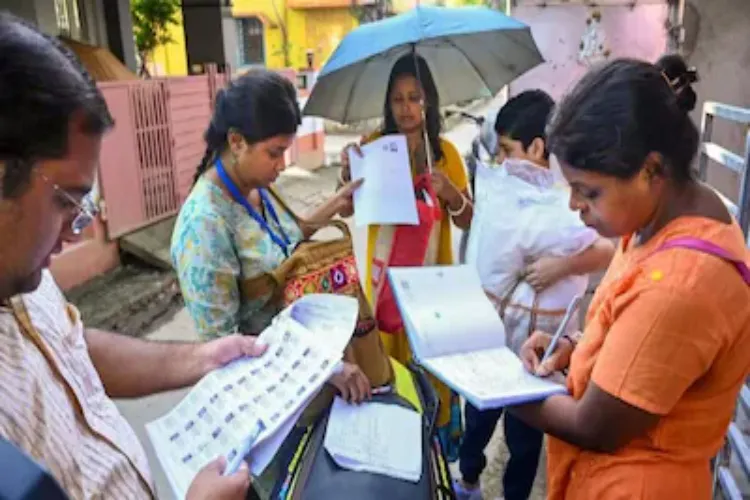
Uttar Pradesh’s electorate has expanded by over 84 lakh, taking the total number of voters to 13.39 crore following the completion of the Special Intensive Revision (SIR), officials said on Friday.
Addressing a press conference, Chief Electoral Officer Navdeep Rinwa said the revision exercise, conducted between October 27, 2025, and April 10, 2026, covered all 75 districts and 403 assembly constituencies across the state.
The 166-day exercise involved a vast administrative network, including district election officers, electoral registration officers, assistant officers, and over 1.77 lakh booth-level officers, along with active participation from political parties and voters.
The final electoral roll, published on April 10, lists 13,39,84,792 voters, comprising:
The draft roll published earlier on January 6 had 12.55 crore voters, indicating an overall increase of 84,28,767 electors. This includes:
A notable rise was recorded among first-time voters aged 18–19, whose number increased from 3.33 lakh to 17.63 lakh, accounting for 1.32% of the electorate.
The gender ratio also improved from 824 to 834 female voters per 1,000 male voters.
Among districts, Prayagraj recorded the highest increase in voters (3.29 lakh), followed by Lucknow, Bareilly, Ghaziabad and Jaunpur. At the assembly level, Sahibabad in Ghaziabad saw the highest addition, with over 82,000 new voters.
Rinwa said the revision process also identified around 1.04 crore “non-mapped” electors and 2.22 crore cases with logical discrepancies. Notices were issued from January 14, followed by hearings, which concluded on March 27.
He emphasised that no voter was removed without due process. “If a name present in the draft roll is missing in the final list, it is either due to a Form-6 application or a decision taken after due hearing,” he said.
The exercise saw extensive engagement with political parties, including multiple review meetings and over 900 district-level interactions. More than 5.8 lakh booth-level agents from parties such as the BJP, Samajwadi Party, BSP and Congress participated in the process.
The Chief Electoral Officer said 107 memoranda were received from political parties, all of which have been addressed.
He added that voters dissatisfied with decisions by electoral registration officers can appeal under the Representation of the People Act, 1950 — first before the district magistrate within 15 days, and subsequently before the Chief Electoral Officer within 30 days.
READ MORE: Rajasthan: Gaurakshaks silence hatemonger with assertion of Hindu-Muslim unity
The successful completion of the revision reflects coordinated efforts by election authorities, political stakeholders and citizens, Rinwa said.









.webp)