New Delhi
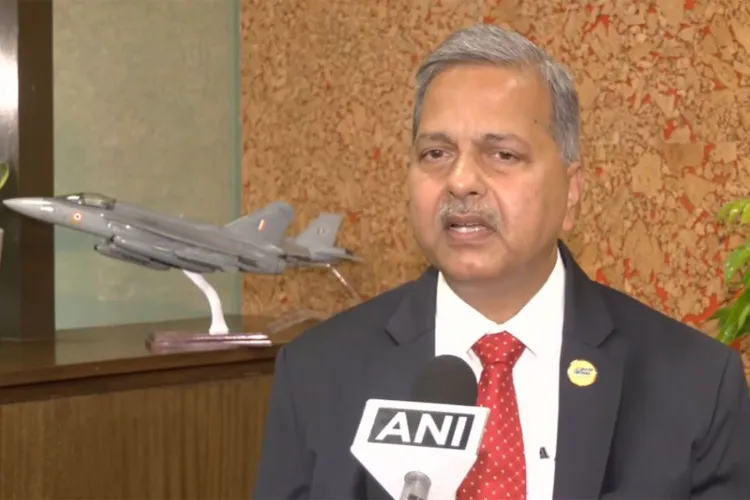
Amid the ongoing conflict in West Asia, Hindustan Aeronautics Limited (HAL) has indicated delays in receiving critical software components for India’s indigenous fighter jet programme, Tejas.
HAL Chairman and Managing Director D. K. Sunil said that the delays are primarily linked to software required for the aircraft’s radar systems. He noted that while such disruptions were anticipated due to geopolitical tensions, supply chains have continued to function, albeit with some slowdown.
According to him, although software updates have been delayed, equipment deliveries have largely continued, allowing the programme to progress. He expressed optimism that the situation would stabilise and pending upgrades would be completed once the conflict subsides.
The issue is particularly relevant for the Light Combat Aircraft (LCA) Tejas Mk1A, the most advanced variant currently under production. This version features enhanced avionics and combat capabilities, including an Active Electronically Scanned Array (AESA) radar, an advanced electronic warfare suite, digital mapping systems, and upgraded cockpit displays.
A key component of the aircraft is the ELM-2052 AESA radar, developed by Israel’s aerospace industry, which supports multi-role operations such as air-to-air, air-to-ground, and maritime missions.
Sunil added that while future supplies could face some impact if the conflict continues, the aircraft currently in production are equipped with the necessary systems, reducing immediate operational concerns.
Separately, he revealed that discussions are underway regarding a potential collaboration with Russia for the acquisition or joint development of the Sukhoi Su-57, a fifth-generation stealth fighter aircraft.
A Russian delegation has already reviewed details of the proposed partnership with HAL, and India is now awaiting a formal commercial proposal, including investment requirements, from the Russian side.
READ MORE: Why Backstroke Queen of India Fariha Zaman fled Assam
The developments come at a time when global defence supply chains are under strain due to geopolitical tensions, highlighting the challenges faced by major military procurement and indigenous development programmes.