 Shankar Kumar
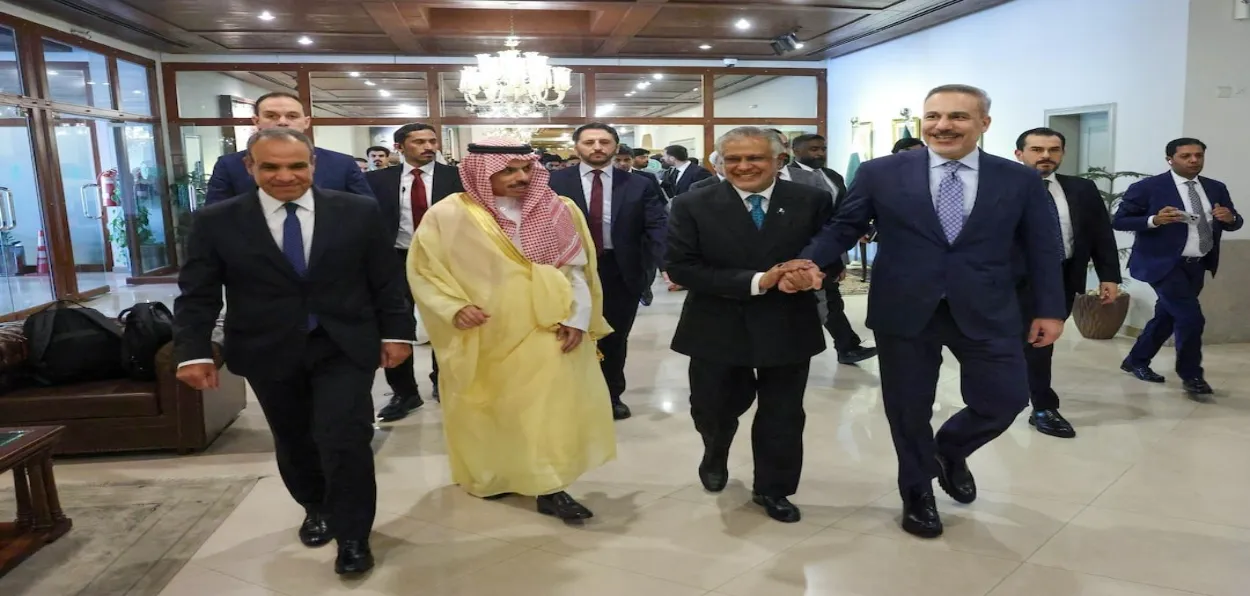
Mockery of the current global situation is on full display. Even as Pakistan is brazenly attacking Afghanistan, bombing its hospitals, residential areas and killing people with impunity, it sought to position itself as a peacemaker in the ongoing war between America-Israel and Iran. Though it failed in these efforts, Pakistan hosted foreign ministers of Saudi Arabia, Turkey and Egypt with the aim to de-escalate the conflict, which has taken a significant toll on international trade, especially on the energy front.
While the US itself faces growing criticism from lawmakers, strategists and journalists over Washington DC’s urge to escalate the war against Iran, what has most surprised international watchers is the Trump administration’s willingness to allow Pakistan to assume the role of mediator in the ongoing deadly conflict.
The most disgusting fact was that this role was assigned to Islamabad in disregard to the US Congressional Research Service (CRS) report that termed Pakistan as a haven for terrorists. A known perpetrator of terrorism in India and other parts of the world, Pakistan has the unique distinction of hosting the greatest number of UNSC-designated terrorists and terror outfits.
While the dreaded terrorist and key architect of the 9/11 terror attack in the US, Osama bin Laden, lived in Abbottabad, Pakistan’s major military hub, UNSC-designated terrorists such as Hafiz Saeed and Masood Azhar continue to enjoy state-sponsored hospitality in the country.
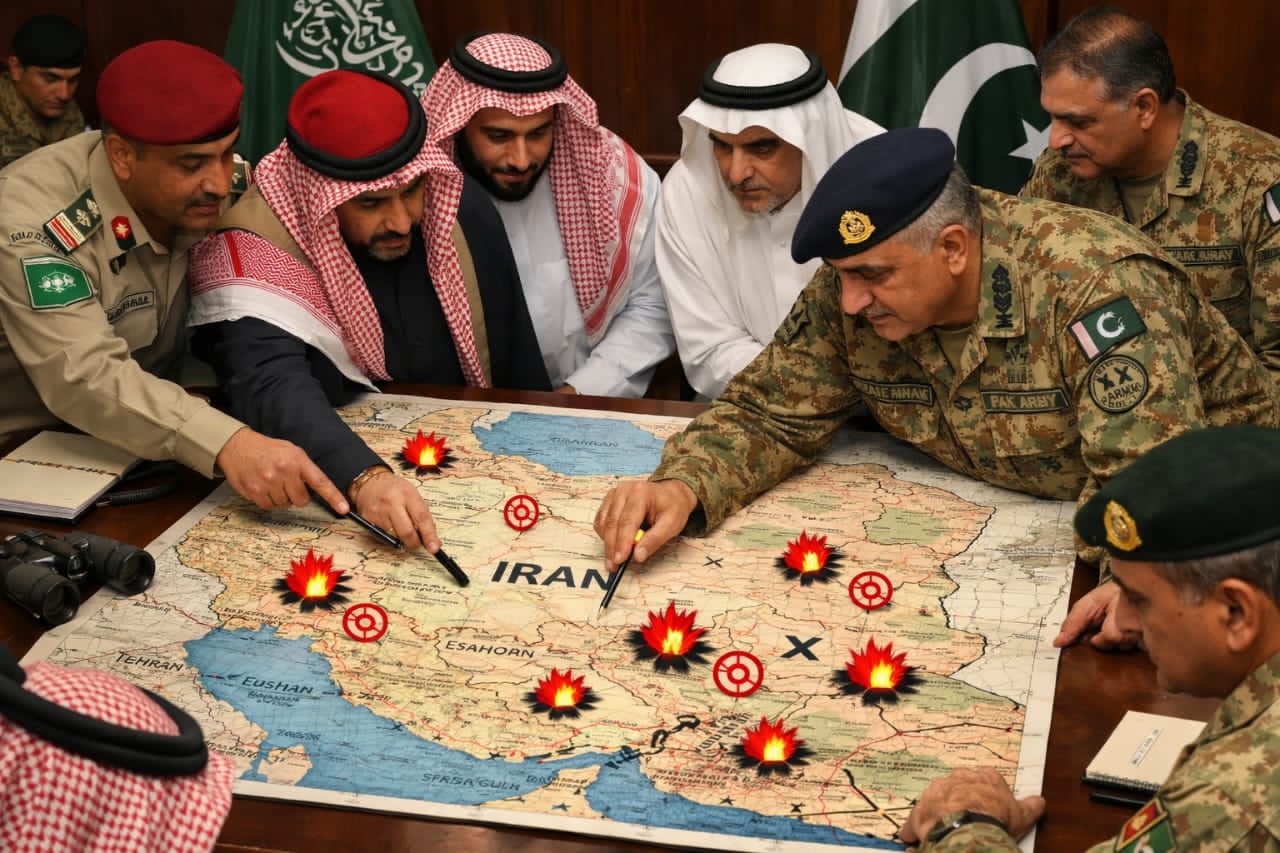
An AI-generated image of the Saudi Foreign Minister's visit to Islamabad going viral on social media
No less troublesome are its actions in the neighbourhood, particularly Afghanistan, where it is wantonly bombing hospitals, schools and residential areas in Kabul and other parts of the country. Pakistan launched a war against Afghanistan, just two days before the US-Israel undertook joint military operations against Iran.
On March 16, as per Afghanistan’s Taliban government’s Deputy Spokesman Hamdullah Fitrat, 400 people were killed and more than 250 injured when a Pakistan-led airstrike hit the Omid Drug Rehabilitation Centre--a 2,000-bed treatment complex in Kabul which has been in operation since 2016.
In the past month, the ongoing war in Afghanistan has descended into a killing field with the Pakistani military carrying out missile attacks and dropping bombs from fighter jets on a population that is already facing severe distress under the Taliban regime. According to a UN report, more than 100,000 people have already been displaced due to the conflict between Pakistan and Afghan forces.
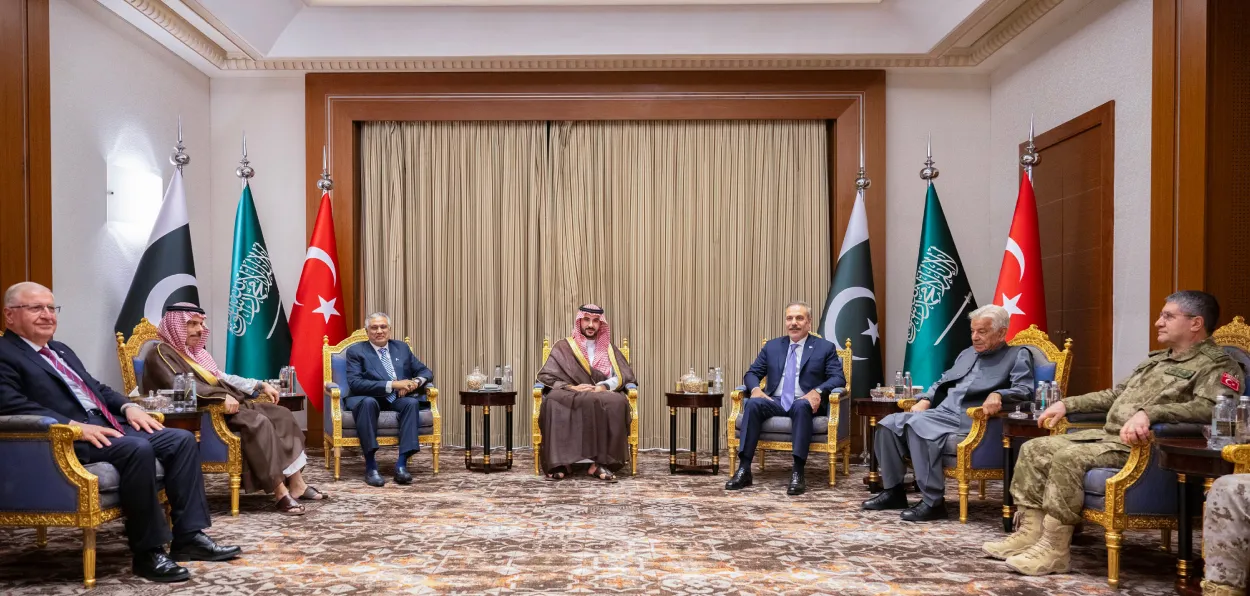
Against this background, Pakistan hosted a quadrilateral meeting of foreign ministers from Saudi Arabia, Egypt and Turkey to mediate the de-escalation of the ongoing conflict in the Middle East. It amounts to nothing short of a grim irony—a sharp contradiction between its actions at home and its posturing on the global stage.
#WATCH | Jerusalem, Israel: On Pakistan’s role as mediator in the war in West Asia, Fleur Hassan-Nahoum, Special Envoy, Foreign Ministry of Israel, says, "I don't know what the Pakistanis think they're doing. I think they're trying to make themselves relevant. They are themselves… pic.twitter.com/K9aSFSvnMC
— ANI (@ANI) March 30, 2026
Yet, regardless of what Pakistan does for its image makeover, it is seldom taken seriously by the international community. This is evident in Iran’s pointed snub to Pakistan. Tehran said it is not engaged in any diplomatic discussions regarding tension in the Middle East.
Iran’s Mumbai-based Consulate General categorically stated that there have been “no direct talks” with the US, and that the quadrilateral meeting of foreign ministers hosted by Pakistan was “their own initiative, underscoring Islamabad’s limited diplomatic weight.
Moreover, Iran’s Foreign Ministry Spokesperson Esmaeil Baghaei publicly rejected the 15-point US proposal delivered by Pakistan to end the war as “unrealistic and unreasonable.” These 15-point proposals include a demand to dismantle Iran’s nuclear programme and hand over control of the Strait of Hormuz. Iran’s rejection indicates its discomfort with diplomatic efforts undertaken by Pakistan at the US’ behest.
For Islamabad, this development is particularly embarrassing, given that it had earlier gone to the rooftop to declare that both Tehran and Washington DC expressed their confidence in Pakistan’s role as a facilitator of talks. But in its eagerness to become a mediator, Pakistan has forgotten that the situation is increasingly becoming dangerous as both the US and Iran are in no mood to press the pause button, because both want to be victorious, firing deadly weapons against each other.
Moreover, Pakistan-led mediation effort included participation of Saudi Arabia, which, along with the UAE, Kuwait and Bahrain, as per Associated Press, does not want the US-headed military operation to scale down against Iran until there are significant changes in Iranian leadership or a shift in Tehran’s approach. If this is true, then questions are raised about the credibility and intent of Islamabad’s mediation initiative. The inclusion of countries that themselves prefer the continuation of the military campaign against Iran, in no uncertain terms, undermines Pakistan’s claim of acting as a neutral facilitator for peace.
ALSO READ: Aneesa Sayyad: The ‘Golden Girl’ of Indian shooting
Thus, while Pakistan’s attempt to position itself as a peacemaker loses its worth under the weight of its own contradictions, it is seen more as an opportunistic player than as a responsible facilitator of peace. A meaningful mediation demands neutrality, trust, and consistency—qualities that Pakistan has failed to demonstrate.

.jpg "Gujarat’s women entrepreneurs bring their craftsmanship to life during Navratri")