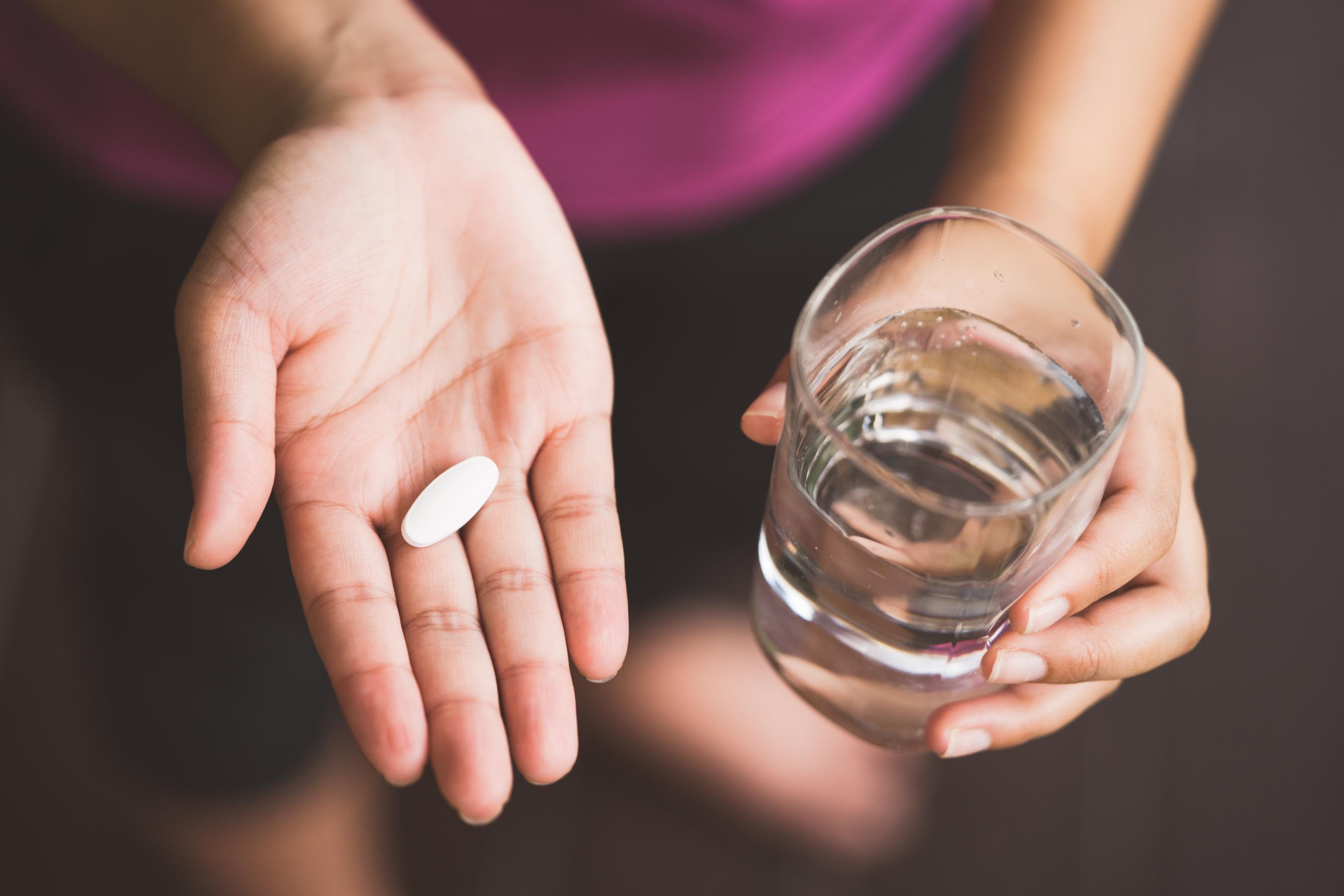
.webp "It's important to keep wieght in check for optimum vitamin D absorption")
New Delhi
Vitamin D is a fat-soluble vitamin, meaning it is stored in the body’s fat tissues. People with higher body fat, particularly around the waist, may trap more of the vitamin in fat, reducing the amount circulating in the bloodstream. “Even if two people get the same sun exposure, the one with higher body fat may have lower active vitamin D levels,” said Dr Swapnil Zambare, consultant arthroscopy at KIMS Hospitals, Thane.
Why it matters for bones and joints
Vitamin D is crucial for calcium absorption and bone strength. Low levels can lead to weaker bones, muscle fatigue, and a greater risk of injuries. Dr Zambare explains that this is commonly observed in athletes and young adults who gain weight. “Insufficient vitamin D also slows recovery after joint injuries and surgeries, as muscles and ligaments heal better when vitamin stores are adequate,” he added.
Signs your vitamin D may be low due to weight
Watch out for increasing waist size, persistent tiredness, frequent muscle aches, or slow post-workout recovery. “Many people don’t realize that weight and vitamin D deficiency can be connected,” noted Dr Zambare.
Can losing weight help?
Yes. Even a 5–7% reduction in body weight can increase circulating vitamin D levels. “As fat mass decreases, stored vitamin D becomes more available, supporting stronger bones, better muscle function, and a lower risk of falls or sports injuries,” said Dr Zambare.
Other factors affecting vitamin D absorption
Limited sun exposure
Darker skin tone
Spending long hours indoors
Poor gut health
Low protein intake
Excessive sunscreen use
Winter months or high pollution
Tips to maintain healthy vitamin D levels
Get 15–20 minutes of morning sunlight
Keep waist size in check with regular exercise
Include eggs, fatty fish, and fortified foods in your diet
Do strength training twice a week
Prioritize sleep and manage stress
Take supplements only after consulting a doctor
READ MORE: IUML's Fatima Muzaffar Ahmed is the epitome of Muslim woman leadership
Disclaimer:This article is based on expert advice and publicly available information. Always consult your healthcare provider before making changes to your routine.





.png)