Ashhar Alam
Lohri is an important harvest festival observed mainly by Sikh and Hindu communities in northern India, especially in Punjab, Haryana and Delhi. The festival signals the arrival of the harvest season and marks the end of the winter solstice, a period after which days gradually become longer and nights shorter.
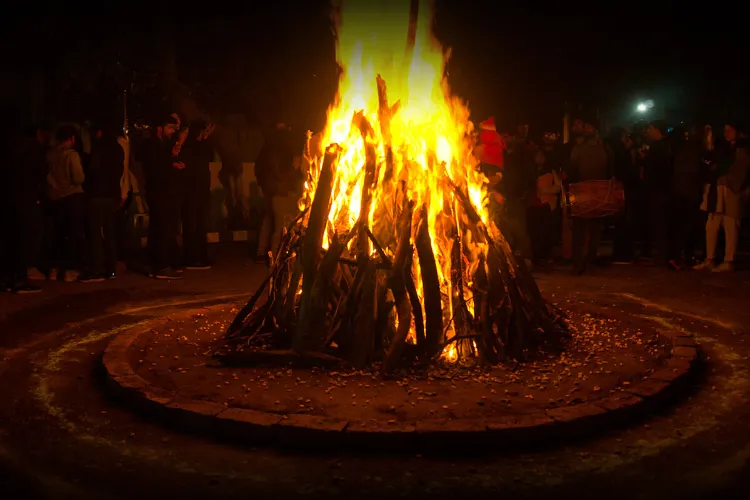
Also referred to as Lohadi or Lal Loi, Lohri is traditionally celebrated by lighting a sacred bonfire. The fire symbolises fertility, prosperity and positivity, and the occasion holds special importance for newly married couples and families welcoming newborns.
Lohri is observed every year on the eve of Makar Sankranti and follows the ancient Bikrami calendar, which is based on both lunar and solar calculations.
In 2026, Lohri will be celebrated on Tuesday, January 13. The Sankranti moment will occur at 03:13 pm on January 14, 2026, as per Drik Panchang.
The festival is closely associated with the harvest of winter crops such as wheat, sugarcane and mustard. Devotees light a bonfire and offer grains and sweets as an expression of gratitude to Surya Devta and Agni for agricultural abundance.
Traditional offerings to the fire include peanuts, popcorn and pieces of sugarcane, symbolising prosperity and the richness of the land.
READ MORE: Nawabzada Mohammad Asif Ali shows the humble side of royaltyLohri celebrations are filled with cultural performances and rituals, including folk singing, energetic dances like Bhangra and Gidda, and recitations of legendary tales of Dulla Bhatti. Families also come together to enjoy festive foods such as sarson ka saag, makki ki roti, and traditional sweets like gajjak and rewri.












.webp "Modern day office in India")