Onika Maheshwari/New Delhi
There was a time when fear of terrorists hung over Pulwama in South Kashmir. The February 14, 2019 suicide attack that killed 40 CRPF personnel deepened the sense of fear surrounding the district. In official records, five villages—Lalhar (Kakapora), Karimabad, Gulzarpura-Awantipora and Darbagam—were described as “black villages”, where even government officials were reluctant to venture.
Today, the picture is markedly different. Night cricket is played in stadiums; development activity has gathered pace and people live with a greater sense of normalcy. Among those who worked to bring about this change is Mudasir Ahmad Dar, an MBA who devoted himself to encouraging young people to turn away from militancy and toward education, sport and community service.
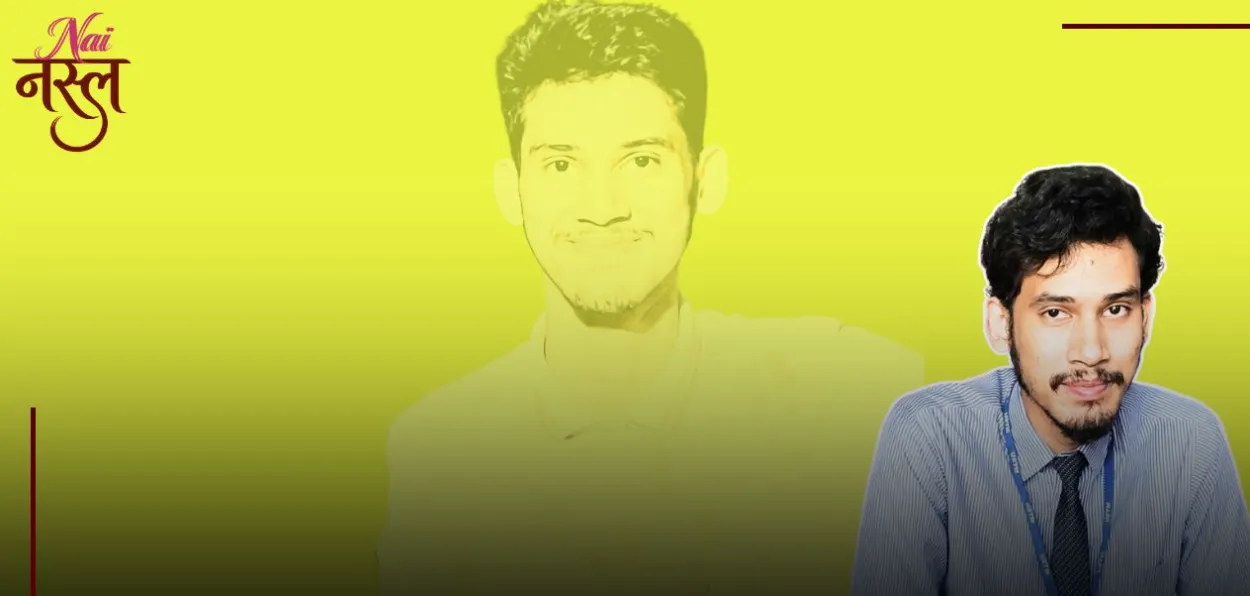
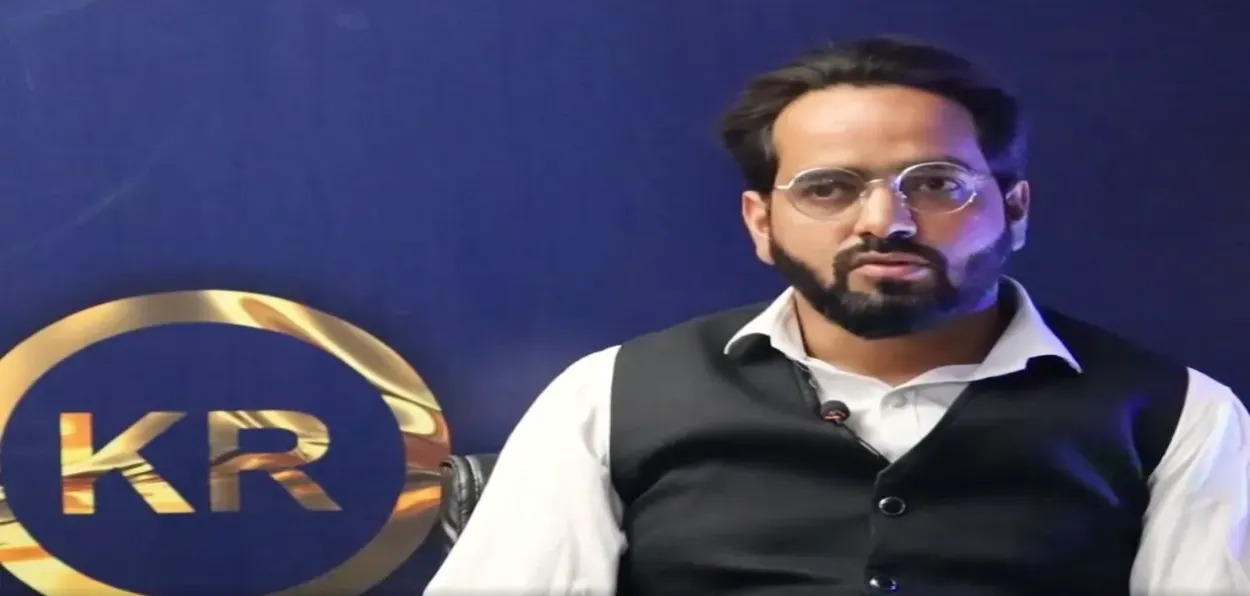 Mudasir Ahmad Dar
Recalling those difficult years, Mudasir says ordinary citizens were afraid even to utter the words “Bharat” or “India”. Terrorists had issued an open decree: “Any villager who approaches the police or the administration will be considered our enemy, and the only punishment will be death.”
The threat kept people away from government offices even when they needed help with basic services or grievances. Winters made matters worse. Heavy snowfall often cut off remote areas, forcing students to discontinue tuition classes and, in some cases, abandon their studies altogether.
Mudasir’s own encounter with prejudice outside Kashmir became a turning point. During a visit to Delhi after the 2019 Pulwama attack, a hotel refused him accommodation simply because of his identity. The experience made him realise how deeply Pulwama had come to be associated with terrorism and violence in the minds of people elsewhere.
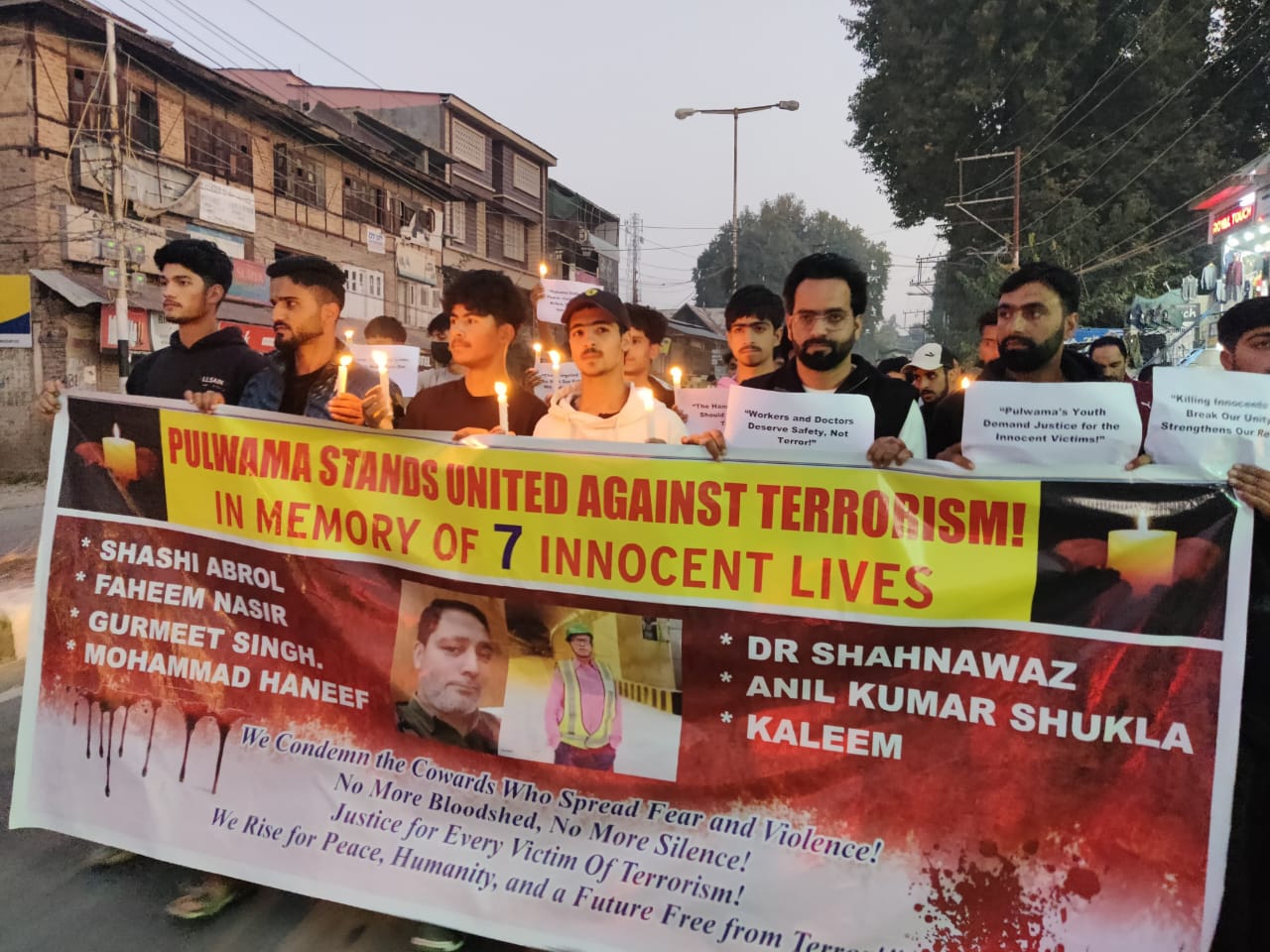 Pulwama Youth taking out a procession against killings by terrorists
He returned home determined to change both the perception and the ground reality.
Mudasir brought together like-minded young people and began working in the five so-called “black villages”, making education one of his principal tools of intervention.
During winter, when remote areas such as Chhandaji, Ketsan and Reshwari were cut off from the outside world, he and his team voluntarily established three Winter Community Learning Centres. With the support of postgraduate and graduate volunteers, the centres provided free education to between 300 and 400 children.
He also launched the Sunday for Society campaign, under which teachers from private academies volunteered their Sundays to teach children personality development, communication and leadership skills. More than 540 needy and tribal children were provided free stationery.
 Police interacting with locals in one of the Black Villages of Pulwama
The effort came with considerable risks. Terrorists threatened to kill Mudasir, branding him an “Indian agent” and an “informer”. In 2020, while he was organising a cricket tournament in Lalharpura, a terrorist reportedly plotted to assassinate him.
He continued nonetheless.
Mudasir says he counselled 17 young men who had already begun moving towards militancy. He recalls one youth who repeatedly threatened him and called him an “informer”. Through sustained dialogue and by invoking the Quranic message—“Saving the life of one innocent person is akin to saving all of humanity”—Mudasir says he was able to change the young man’s outlook. The youth eventually abandoned violence, returned to the mainstream and began addressing him as “Bhaiya”.
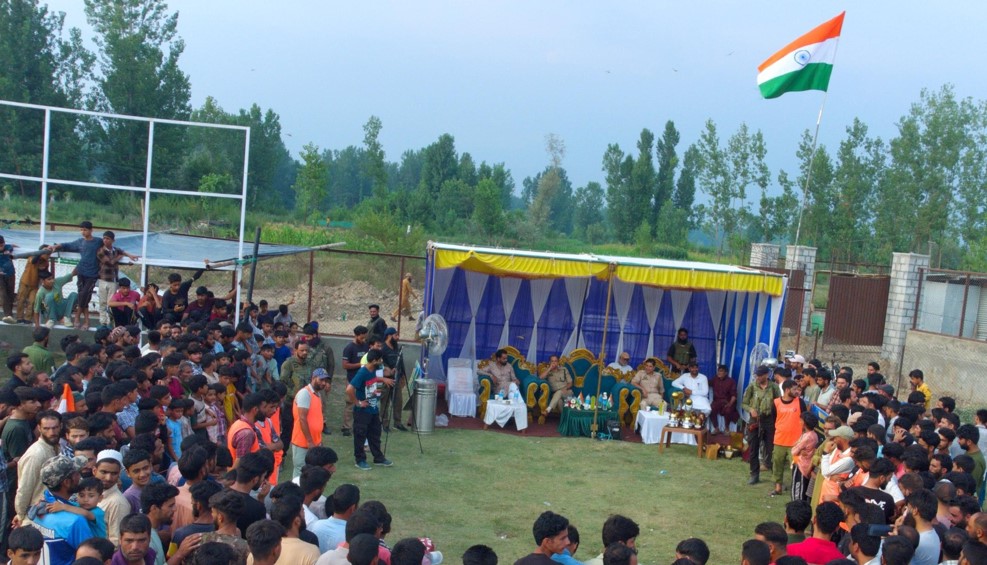
The transformation of the Lalharpura ground became a visible symbol of that change. Once a gathering place for stone-pelters during the funerals of slain terrorists, where Pakistani flags were waved and anti-India slogans raised, it has been turned into a cricket stadium through Mudasir’s efforts. The Tricolour now flies there.
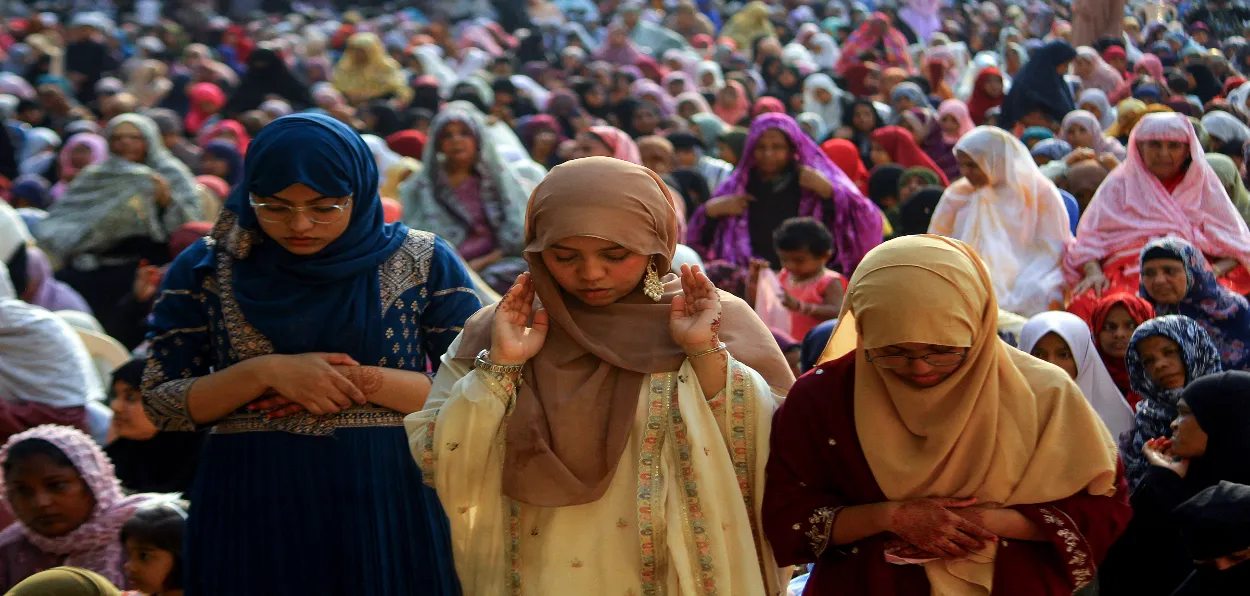
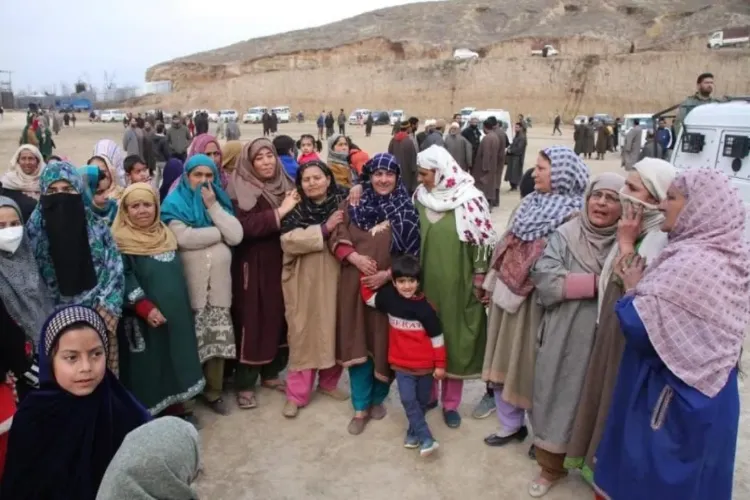 Women in the former Black Villages of Pulwama
At the nearby “Martyrs’ Graveyard”, Mudasir says, there is no one left even to light a candle at the grave of a notorious terrorist from the 1990s. When police and civil administration officials came to inaugurate a match at the stadium, he recalls, some of the same hands that had once thrown stones instead showered petals on the officials.
Mudasir’s work has extended beyond education and sport. He has distributed Eid food kits to more than 205 needy families across six districts of Kashmir, helped meet wedding expenses for daughters from economically weaker families, paid tuition fees for medical and nursing students, and created a digital platform to promote products made by women entrepreneurs from Gurez.
He was also part of a team that studied graveyards in Kashmir in response to a report presented at the United Nations concerning unidentified graves, which alleged that they contained Kashmiri civilians killed by security forces. After six years of research, his team released a report claiming that the graves identified in its study belonged not to local civilians but to terrorists who had infiltrated from across the border.
As part of his efforts to strengthen social harmony, Mudasir organised an interfaith dialogue at Pulwama Stadium that brought approximately 14,000 people from four faiths onto a single platform.
Five years of sustained work have produced visible changes in the villages once labelled “black”. According to Mudasir, there are no active terrorists left in these areas, nor do they function as recruitment hubs for militancy. Places once associated with violence are now witnessing development, including the construction of a state-of-the-art “Medi-City”.
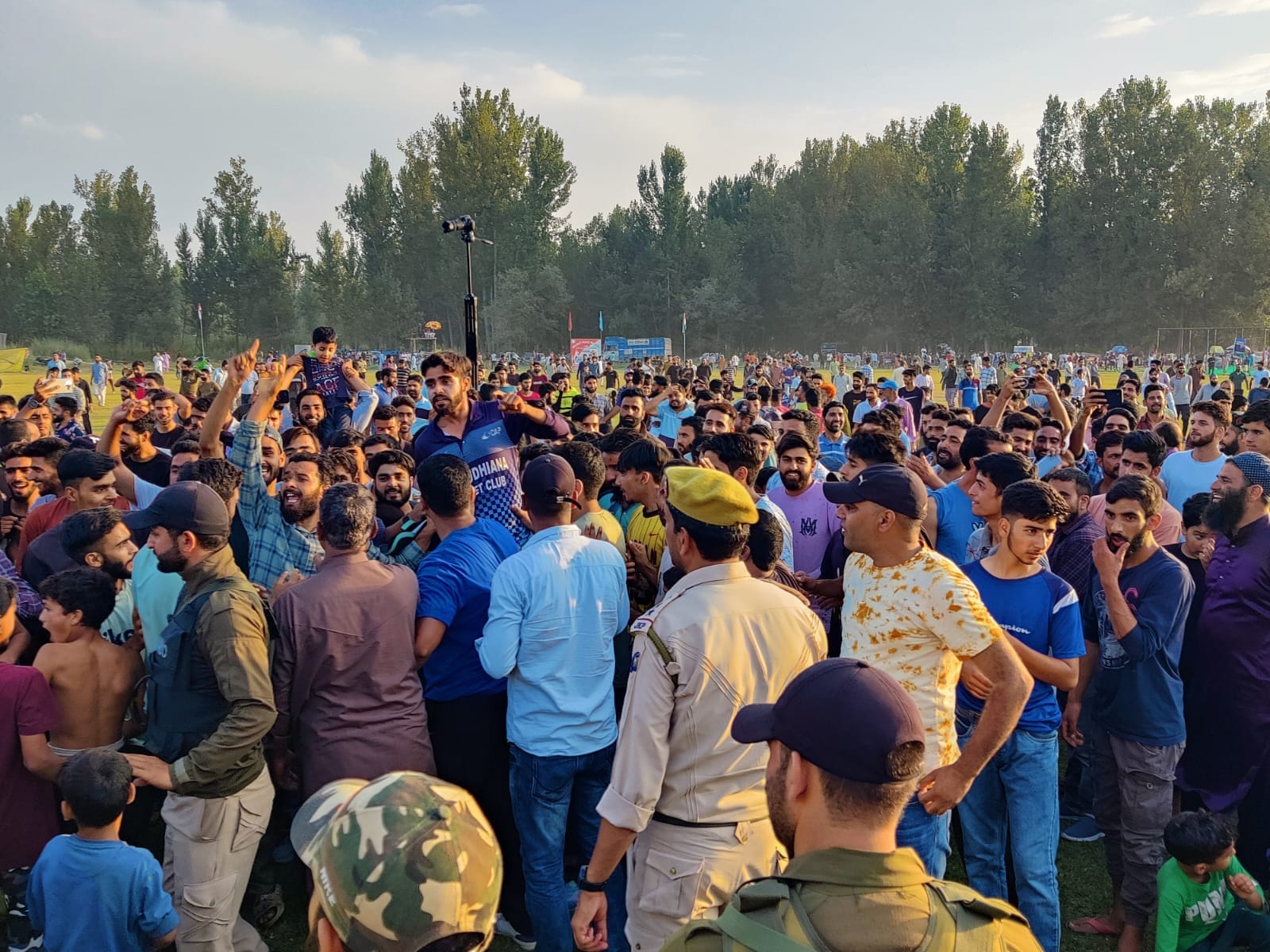 Huge turnout of locals for cricket match in Pulwama
For the children and elders of these villages, Mudasir is now simply “Mudasir Bhaiya”—a term of affection and respect.
ALSO READ: Kashmir's Everester Nahida Manzoor wants more women to climb peaks
Mudasir Ahmed Dar’s journey reflects the efforts of a Kashmiri youth who chose education, dialogue, sport and community service as instruments of change—and sought to replace a culture of fear with one of hope and opportunity.







.webp "Kashmiri Everest climber Nahida Manzoor")
_(1).webp "Swimmer Afreen Jabi")