

Onika Maheshwari/New Delhi
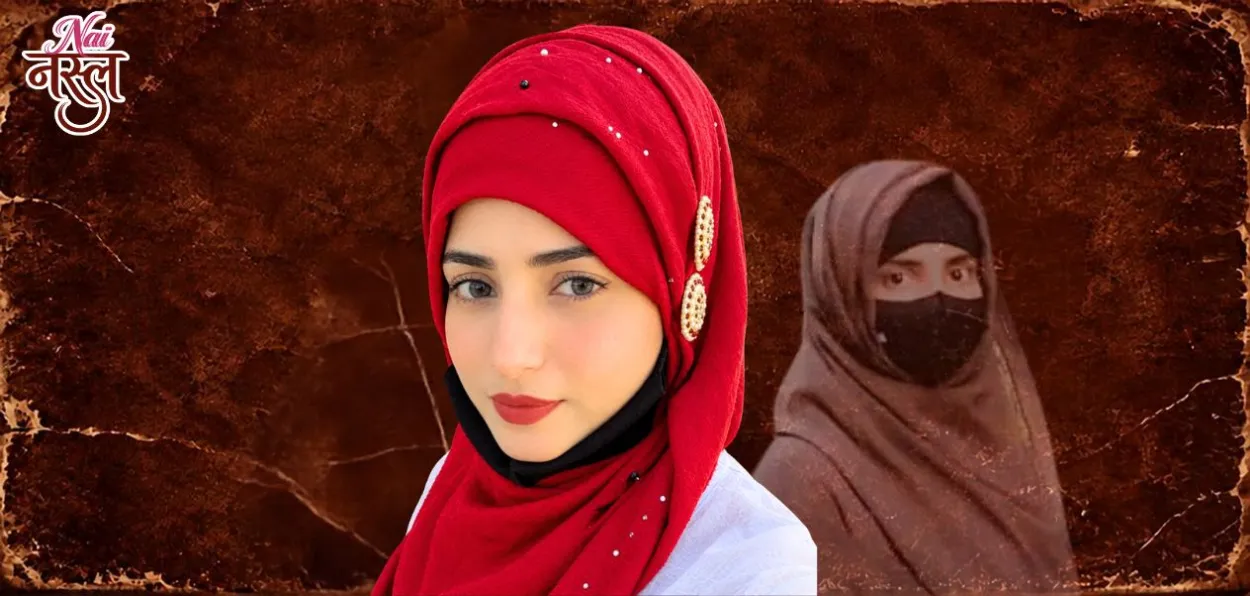
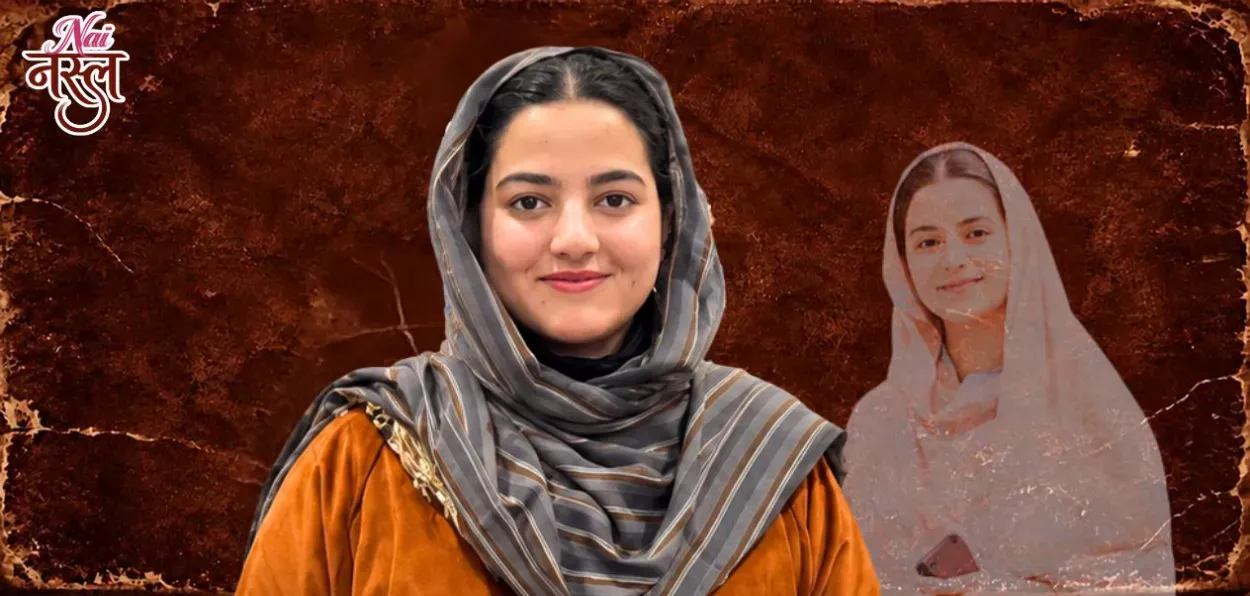
Writer, poet and journalist Zehra Naqvi challenges the idolisation of motherhood, with candour. She believes that society pressures women to define themselves primarily as mothers, suppressing their identity as individuals.
For more than a decade, Naqvi has been writing on gender, literature and socio-political issues. In her work, she argues that women should not be confined to the roles of and labels of daughter, wife or mother; they be recognised as individuals with aspirations, identities and choices.
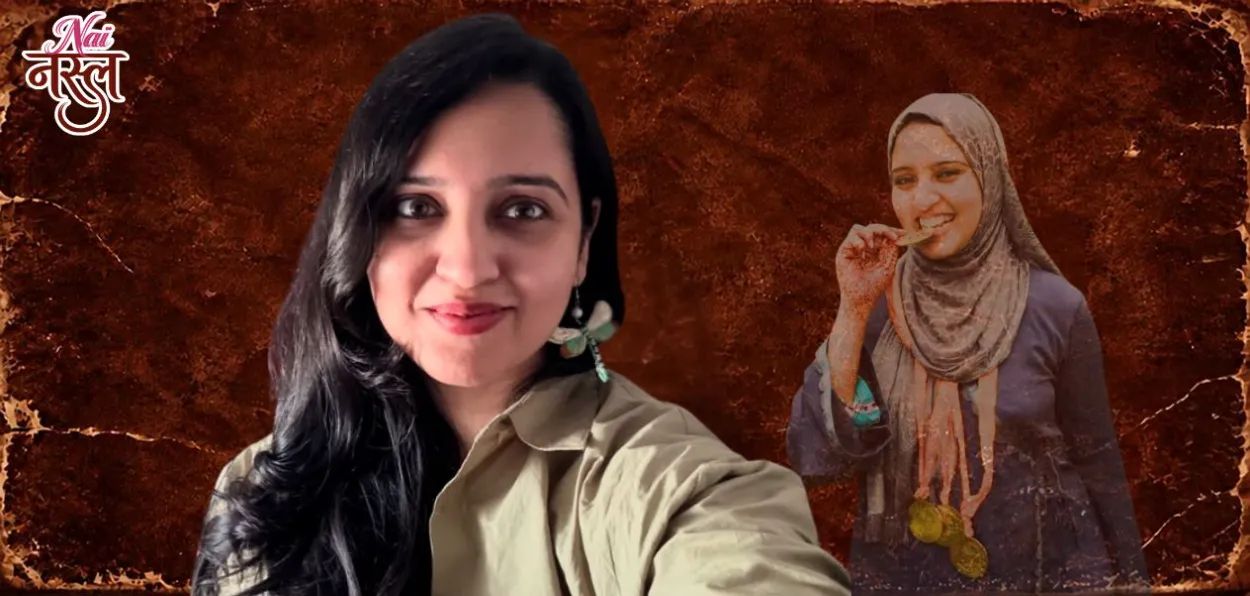
A significant part of Zehra Naqvi’s creative and academic journey is associated with Aligarh Muslim University, where she won four gold medals while studying journalism. However, AMU also helped broaden her perspectives, and creative clarity.
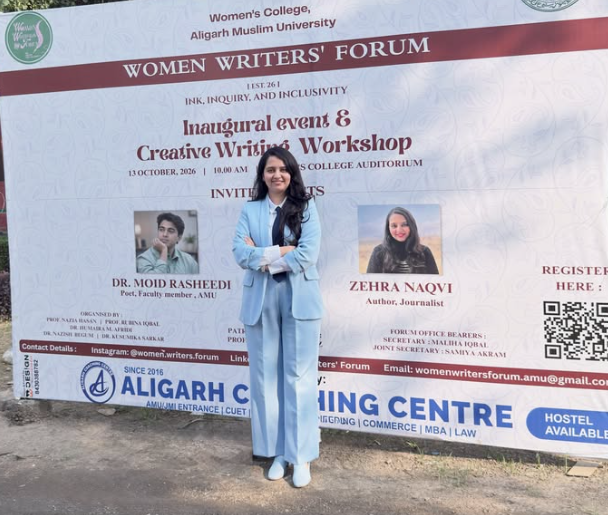 Zehra Naqvi
Naqvi, who began writing poetry during her school years, developed a keen interest in theatre, music and creative writing at the university. The poem O Abdullah, which she recited during a fresher’s party, remains one of the early milestones in her journey of creative expression.
Revisiting her memories of Women’s College, she fondly recalls the close relationships between teachers and students. She believes that the true purpose of education is not merely to secure employment, but to develop the ability to think independently and understand the world from one's own perspective.
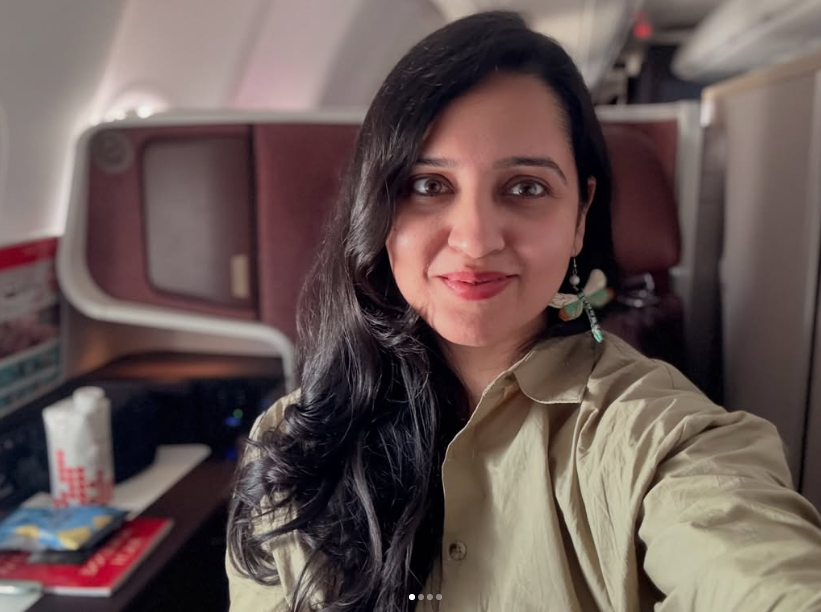 Zehra Naqvi
One of the distinctive features of Zehra’s writing routine is her preference for working from midnight until the first light of dawn. After managing the demands of everyday life as a mother, these quiet hours offer her the space and peace to write. She records ideas that occur to her throughout the day in her phone’s notepad. When she finally sits down to write, she disconnects from the outside world and immerses herself completely in her work.
Her primary motivation is to seek the truth and express it without hesitation. Her articles and columns have appeared in several prominent national and international publications, including The Indian Express, The Hindu, Reader’s Digest, The Wire, Outlook, The Quint, Financial Chronicle, Child Magazine and Women’s Web.
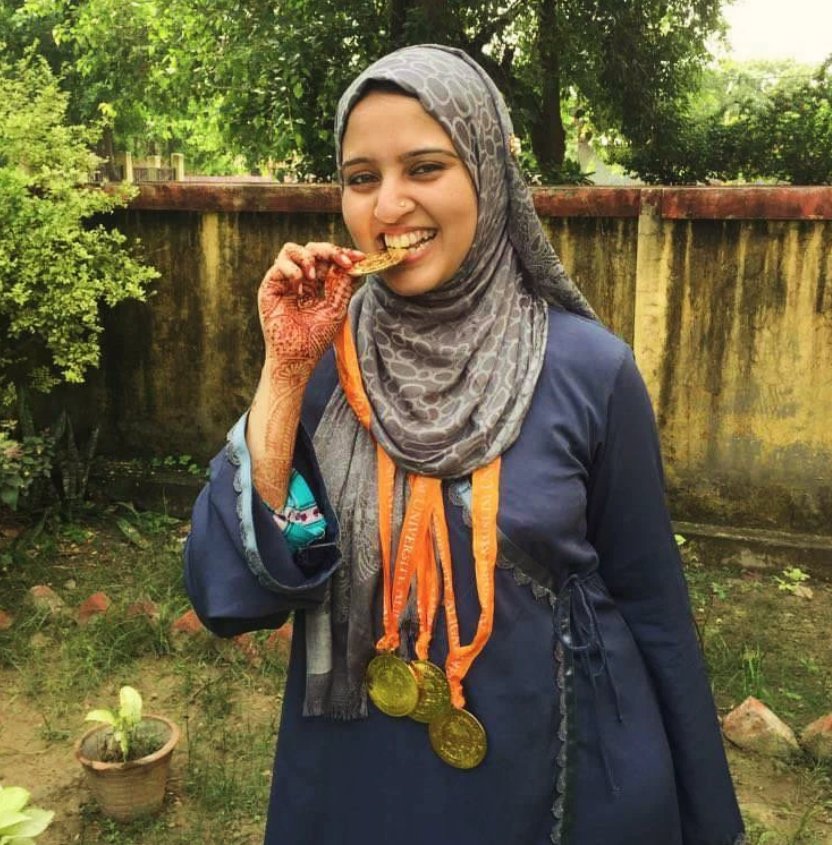 Zehra Naqvi
Her first memoir, The Reluctant Mother: A Story No One Wants to Tell, published by Hay House, explores an aspect of motherhood that society often chooses to overlook.
The book draws on three years of her life, documenting her journey from conceiving her son to the early years of motherhood. It is the account of a young woman trying to balance her new responsibilities with her personal dreams and ambitions.
Society often expects mothers to make endless sacrifices. Naqvi, however, highlights that motherhood is not defined by love and affection alone. It can also involve exhaustion, frustration, stress, loneliness and the fear of losing one's identity.
Experiencing these emotions does not make a woman a bad mother. A mother, after all, is also a human being with her own limitations, desires and aspirations.
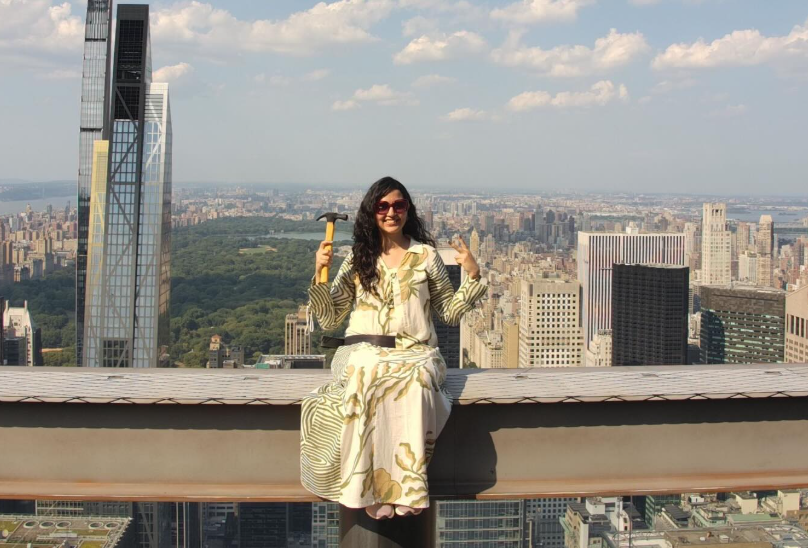 Zehra Naqvi
Naqvi believes that a woman's world should not come to an end after the birth of her child. She writes openly about marriage, intimacy, financial independence and women's careers. According to her, a career is not merely a means of earning money; it is also a source of self-respect and personal identity.
Similarly, she views education as much more than obtaining a degree. For her, it is a means of gaining the freedom to make independent decisions about one's life.
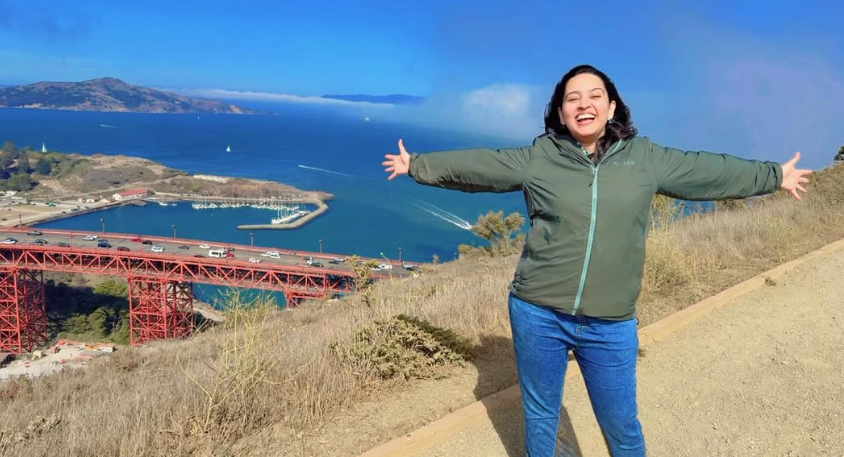 Zehra Naqvi
She also argues that a society's progress should not be measured solely through indicators such as GDP or technological advancement. Gender equality and social justice, she believes, must be equally important measures of development.
Her commitment to these issues and her writing have earned her recognition on several national and international platforms. She received the I.N.S.P.I.R.E Writer of the Year award for 2020 and 2021. Her name was also included in the RBTC list of Uttar Pradesh's 100 most inspiring Muslim women.
 Zehra Naqvi
She was also featured in a Rajya Sabha TV documentary highlighting successful women from Uttar Pradesh.
READ MORE: Assam schoolgirl Tanaj Saikia bags 'Legacy of Literacy’ Award'
At the heart of Zehra Naqvi's writing is a fundamental question for society: Are we ready to accept women for who they truly are? Her work calls for recognising women beyond the roles assigned to them and respecting their right to define their identities in their own words.